









• About Us
  • Subscription
  • Contact Us
Tuesday, March 10, 2026
  • Login
Iran Times
  • Home
  • What’s the News
    • All
    • baygani
    Army Says It Makes Some Officers UN Peacekeepers

    Army Says It Makes Some Officers UN Peacekeepers

    Iran May Curry Favor With Egypt By Axing Street Name

    Iran May Curry Favor With Egypt By Axing Street Name

    Regime Barks Loudly At Dog Owners

    Regime Barks Loudly At Dog Owners

    Campaign To Rid Iran of Afghans Moves Into Trumpian High Gear

    Campaign To Rid Iran of Afghans Moves Into Trumpian High Gear

    Russia, China Interfere To Stunt Iran Nuclear Plan

    Russia, China Interfere To Stunt Iran Nuclear Plan

    Regime Hangs Convicted Killer of 7 in 2022 Protests

    Regime Hangs Convicted Killer of 7 in 2022 Protests

    Trump Kicks Trio Off Iran Issues For Being Too Pro-Israel

    Trump Kicks Trio Off Iran Issues For Being Too Pro-Israel

    Omid The Siberian Crane May Have Died

    Omid The Siberian Crane May Have Died

    Israel Built Drones In A Factory Set Near Tehran

    Israel Built Drones In A Factory Set Near Tehran

  • Diaspora
  • Economy
    Economist Says Biggest Problem For Iranian Economy is State Controls

    Economist Says Biggest Problem For Iranian Economy is State Controls

    US Stops Turkmen Gas Crossing Iran For Iraq

    US Stops Turkmen Gas Crossing Iran For Iraq

    For Umpteenth Time, Auto Privatization Again Killed

    For Umpteenth Time, Auto Privatization Again Killed

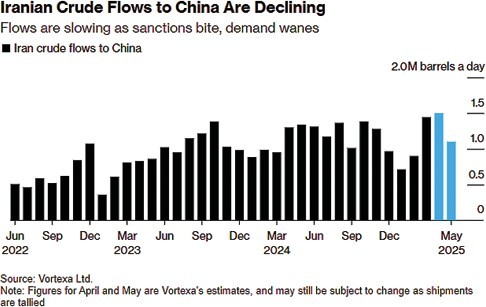
    China Oil Buy Drops, But Remains High

    China Oil Buy Drops, But Remains High

    Gov’t Ends Ban Importing Goods Made In Iran

    Minimum Wage is Boosted 45%

    Banks Must Keep More Money On Hand

    Banks Must Keep More Money On Hand

    Russian Says Iran Watermelons Unsafe

    Russian Says Iran Watermelons Unsafe

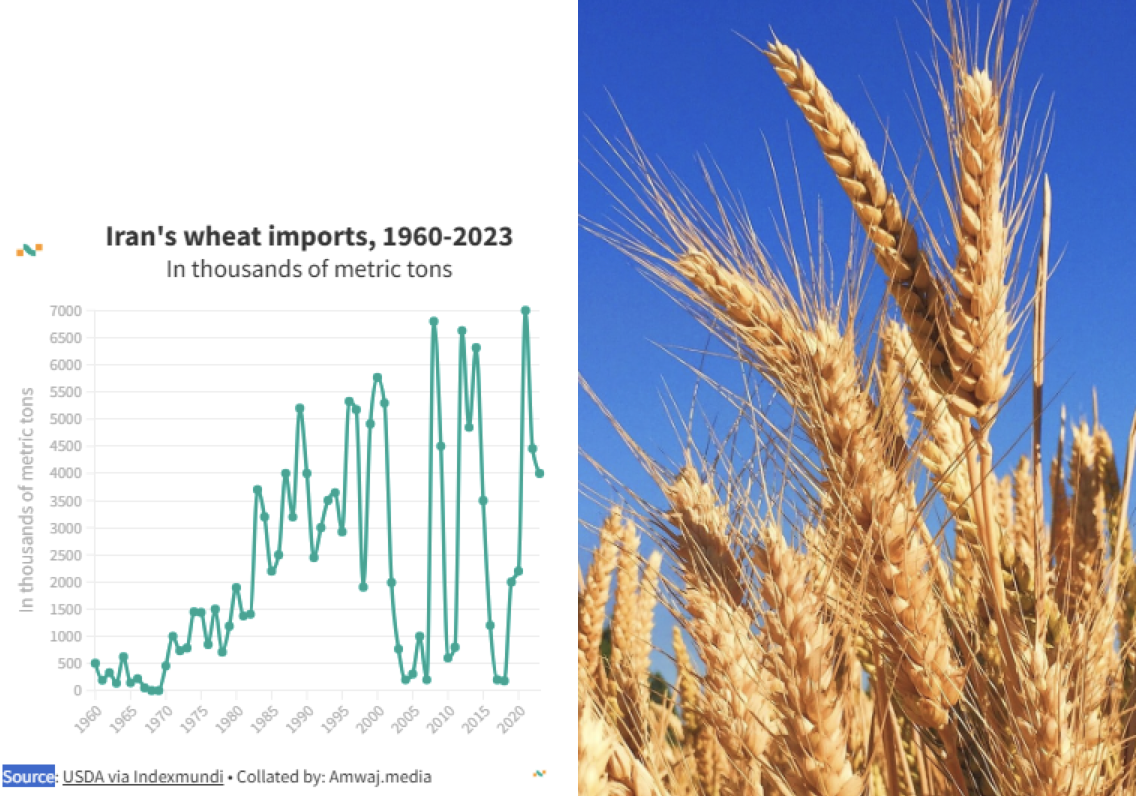
    Iran Not To Be Self-Sufficient In Wheat This Year

    Iran Not To Be Self-Sufficient In Wheat This Year

  • Tidbits and Morsels
  • Latest
    Hell Comes To A Pasdar Base North of Tehran

    Hell Comes To A Pasdar Base North of Tehran

    US Mail To Iran Is Suspended

    President Takes Time Off For Surgery

    President Takes Time Off For Surgery

    After Month Of Talks, Trump Decides He Wants No Enrichment

    The Lights Are Going Out All Over Iran

    Drone Attack That Killed 3 US Troops in Jordan Could Have Been Foiled

    Iranian-Canadians Reportedly Turned Away at US Border

    Iranian-Americans: an Account of Integration and Achievement

    Jamshid Myth

  • About Us
  • Advertising
  • Subscription
No Result
View All Result
  • Home
  • What’s the News
    • All
    • baygani
    Army Says It Makes Some Officers UN Peacekeepers

    Army Says It Makes Some Officers UN Peacekeepers

    Iran May Curry Favor With Egypt By Axing Street Name

    Iran May Curry Favor With Egypt By Axing Street Name

    Regime Barks Loudly At Dog Owners

    Regime Barks Loudly At Dog Owners

    Campaign To Rid Iran of Afghans Moves Into Trumpian High Gear

    Campaign To Rid Iran of Afghans Moves Into Trumpian High Gear

    Russia, China Interfere To Stunt Iran Nuclear Plan

    Russia, China Interfere To Stunt Iran Nuclear Plan

    Regime Hangs Convicted Killer of 7 in 2022 Protests

    Regime Hangs Convicted Killer of 7 in 2022 Protests

    Trump Kicks Trio Off Iran Issues For Being Too Pro-Israel

    Trump Kicks Trio Off Iran Issues For Being Too Pro-Israel

    Omid The Siberian Crane May Have Died

    Omid The Siberian Crane May Have Died

    Israel Built Drones In A Factory Set Near Tehran

    Israel Built Drones In A Factory Set Near Tehran

  • Diaspora
  • Economy
    Economist Says Biggest Problem For Iranian Economy is State Controls

    Economist Says Biggest Problem For Iranian Economy is State Controls

    US Stops Turkmen Gas Crossing Iran For Iraq

    US Stops Turkmen Gas Crossing Iran For Iraq

    For Umpteenth Time, Auto Privatization Again Killed

    For Umpteenth Time, Auto Privatization Again Killed

    China Oil Buy Drops, But Remains High

    China Oil Buy Drops, But Remains High

    Gov’t Ends Ban Importing Goods Made In Iran

    Minimum Wage is Boosted 45%

    Banks Must Keep More Money On Hand

    Banks Must Keep More Money On Hand

    Russian Says Iran Watermelons Unsafe

    Russian Says Iran Watermelons Unsafe

    Iran Not To Be Self-Sufficient In Wheat This Year

    Iran Not To Be Self-Sufficient In Wheat This Year

  • Tidbits and Morsels
  • Latest
    Hell Comes To A Pasdar Base North of Tehran

    Hell Comes To A Pasdar Base North of Tehran

    US Mail To Iran Is Suspended

    President Takes Time Off For Surgery

    President Takes Time Off For Surgery

    After Month Of Talks, Trump Decides He Wants No Enrichment

    The Lights Are Going Out All Over Iran

    Drone Attack That Killed 3 US Troops in Jordan Could Have Been Foiled

    Iranian-Canadians Reportedly Turned Away at US Border

    Iranian-Americans: an Account of Integration and Achievement

    Jamshid Myth

  • About Us
  • Advertising
  • Subscription
No Result
View All Result
Iran Times
No Result
View All Result

What a nuclear deal with Iran could look like

November 01 2013

By Michael Singh

With the first round of nuclear talks with Iran’s new, and newly pragmatic, negotiating team in the books, the Washington policy debate about Iran has shifted from whether a deal is possible to what sort of deal is acceptable. While such discussions can often seem a miasma of centrifuge counts and enrichment levels, there are, in fact, two distinct paths to a nuclear deal with Iran.

The first path is one in which Tehran would receive relief from sanctions in exchange for putting strict limits on its nuclear activities, such as restricting uranium enrichment to low levels. The success of such an agreement would depend on ensuring that Iran could not use declared nuclear activities as a cover for covert activities aimed at developing a nuclear weapon. It would also depend on ensuring that the deal was not easily reversible, so Tehran could not renege once pressure had been alleviated.

There are ways that sanctions relief could be made more easily reversible — for example, channeling oil payments to Tehran through a single mechanism that could be blocked in the event of noncompliance — but none of these is fail-safe. The efficacy and durability of a deal over limited enrichment would rest on Iranian transparency. To be meaningful, transparency measures would have to include allowing inspectors unfettered access to sites of their choosing, not just those declared by Iranian officials, and a comprehensive accounting of Iran’s past and present nuclear work, including the military elements of its nuclear program, such as weaponization research.Coming clean in this manner is a prerequisite for the success of any deal that leaves in place dual-use nuclear capabilities. Countries that have divulged their nuclear secrets, such as South Africa, have proceeded to cooperate peacefully with the international community on atomic energy. Those that continued to obfuscate despite agreements, such as North Korea, experienced deeper isolation and external tensions.

Iran appears to prefer the latter model. While its officials profess a desire for cooperation, they continue to dismiss as “unfounded allegations” evidence deemed “credible” by the International Atomic Energy Agency that Iran has engaged in nuclear work related to weapons. Iran continues to deny inspectors access to suspected nuclear sites and key personnel, and it seeks to constrict their activities within the bounds of its declared nuclear program.

Even in the best circumstances, it would take time to establish confidence that Iran had truly given up its nuclear weapons aspirations. Allies such as Israel and the Gulf states would distrust Iranian intentions, while Iranians would bristle at the intrusiveness of inspections. Absent a strategic shift by Iran, a deal on limited enrichment is more likely to increase those tensions than to defuse them: Iran would seek to hide or deny activities for which the United States and its allies have convincing evidence; Iran’s adversaries would seek to match its nuclear capabilities; and erstwhile allies such as Russia and China would drift away from the unlikely coalition currently led by Washington.

The unlikelihood of a change of heart by Iranian leaders suggests a second, more straightforward path to an agreement: requiring Iran to dismantle its nuclear program in exchange for any relief from sanctions, which would be increased should Tehran refuse to yield. In this model, Iran would have to suspend enrichment- and reprocessing-related activities as demanded by the U.N. Security Council, dismantle its underground enrichment facility at Fordow and export its stockpiles of enriched uranium, among other steps.

The obvious objection to such a deal is that it may be too difficult to achieve; even U.S. negotiators have characterized this stance as “maximalist.” But any deal must be evaluated in comparison to plausible alternatives, not in isolation, and Iran’s alternatives are bleak. Iran’s economy is under severe strain because of the sanctions. If Iran tried to “break out” for a nuclear weapon, the United States and Israel have made clear that they would strike a devastating military blow.

And contrary to conventional wisdom, time is not on Iran’s side. With each passing day, Iran’s economic predicament deepens and its nuclear program expands. But while the former threatens Iran’s well-being, the latter does not improve it. Adding to its centrifuge inventory and uranium stockpile merely edges Iran closer to Western “red lines” while making it no less vulnerable to attack.

The United States possesses powerful leverage in the nuclear talks: Its negotiating position is eminently reasonable. The West is offering Iran something it desperately needs — sanctions relief — in exchange for something it has little ostensible use for — enrichment and reprocessing — given its disavowal of nuclear weapons. That’s hardly a maximalist position.

It is commendable that the United States and its allies hope earnestly that Iran would take the path of true transparency and cooperation; indeed, President Hassan Rouhani’s “ charm offensive ” is so beguiling because it appeals to those hopes. But we, and perhaps even Rouhani, cannot compel Iran to make such a fundamental change in course. We can, however, with firmness at the negotiating table and confidence in our leverage make plain the alternatives and force Tehran to confront, rather than evade, the consequences of its choices.


Michael Singh is managing director of The Washington Institute.

Previous Post

The world must tell Iran: No more half-steps

Next Post

The IR-40 and diplomacy

Related Posts

Can Israel Destroy Iran’s Nuclear Program?
Commentary

Can Israel Destroy Iran’s Nuclear Program?

The Right Path to Regime Change In Iran
Commentary

The Right Path to Regime Change In Iran

Commentary

Trump has Achance to Strike a Deal with Iran

Next Post

Rouhani’s negotiating strategy: Divide and isolate

Islamic Republic: From vilified pariah to....

Leave a Reply Cancel reply

Your email address will not be published. Required fields are marked *

  • About Us
  • Contact Us
  • Advertising
  • Subscription
  • Culture
  • Economy
Call us: +1 (202)-659-9868

© 1970-2025 Iran Times - ‬An‭ ‬Independent‭ ‬Newspaper

Welcome Back!

Login to your account below

Forgotten Password?

Retrieve your password

Please enter your username or email address to reset your password.

Log In
No Result
View All Result
  • Home
  • What’s the News
  • Diaspora
  • Economy
  • Tidbits and Morsels
  • Latest
  • About Us
  • Advertising
  • Subscription

© 1970-2025 Iran Times - ‬An‭ ‬Independent‭ ‬Newspaper

Are you sure want to unlock this post?
Unlock left : 0
Are you sure want to cancel subscription?
Go to mobile version