













The rial took a seven-percent plunge in one day, slipping from 2,3900 to the dollar to 2,6300 rial in the open market on monday .
“It’s really bad,” one currency trader told Reuters. “It’s the worst it’s ever been.”
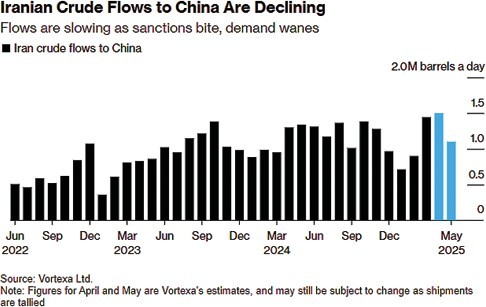
The EU imposed heavy economic sanctions on July 1 as the US tightened its existing sanctions in order to pressurize Iran to give up its nuclear program, which the West suspects is for military purposes.
The sanctions have effectively stopped flows of hard foreign currency into Iran, rendering it almost incapable of receiving payments in dollars for the oil it can still manage to sell. As a result, Iran is beginning to accept payments in gold, a practice that has made it the largest purchaser of Turkish gold this year.
The US government is currently investigating several European and Chinese banks for circumventing the sanctions and managing to transfer money to Iran’s dollar-starved economy. The country’s foreign currency reserve, stored mostly in dollars, is thought to be depleting
The governor of Iran’s central bank said the country is at an economic war with the rest of the world. “We are fighting with the world in an economic sense,” Mahmud Bahmani told ISNA last Sunday. “The conditions we are in are war conditions.”
While the open-market rates have taken a record-breaking plunge, the official exchange still sits at 12,260 to the dollar. The government uses this exchange rate for special purposes, like purchasing medial supplies and food.
Bahmani said last month that the government would change the official exchange rate “within 10 days,” a move that sparked a crisis of confidence and sent the rial tumbling five percent.
The Ministry of Economics has also outlined controversial plans of establishing a currency bourse accessible to major traders. Traders have opposed the idea, calling it government control of the market, but the government says it stabilizes the market and increases transparency.
Many Iranians are worried that their savings are depleting at an alarming rate because of the devaluation of the rial and soaring inflation rates. Some middle-class to rich Iranians are seeking ways to sell their rials for dollars before the currency takes another nosedive. Afghan currency traders are reporting that Iranians are bringing cash “by the truckloads” across the border to exchange for dollars, thanks to an abundance of it due to foreign spending.
The US government has warned Afghan businesses and currency traders not to do business with an Afghan-owned Iranian bank.