










• About Us
  • Subscription
  • Contact Us
Saturday, March 14, 2026
  • Login
Iran Times
  • Home
  • What’s the News
    • All
    • baygani
    Army Says It Makes Some Officers UN Peacekeepers

    Army Says It Makes Some Officers UN Peacekeepers

    Iran May Curry Favor With Egypt By Axing Street Name

    Iran May Curry Favor With Egypt By Axing Street Name

    Regime Barks Loudly At Dog Owners

    Regime Barks Loudly At Dog Owners

    Campaign To Rid Iran of Afghans Moves Into Trumpian High Gear

    Campaign To Rid Iran of Afghans Moves Into Trumpian High Gear

    Russia, China Interfere To Stunt Iran Nuclear Plan

    Russia, China Interfere To Stunt Iran Nuclear Plan

    Regime Hangs Convicted Killer of 7 in 2022 Protests

    Regime Hangs Convicted Killer of 7 in 2022 Protests

    Trump Kicks Trio Off Iran Issues For Being Too Pro-Israel

    Trump Kicks Trio Off Iran Issues For Being Too Pro-Israel

    Omid The Siberian Crane May Have Died

    Omid The Siberian Crane May Have Died

    Israel Built Drones In A Factory Set Near Tehran

    Israel Built Drones In A Factory Set Near Tehran

  • Diaspora
  • Economy
    Economist Says Biggest Problem For Iranian Economy is State Controls

    Economist Says Biggest Problem For Iranian Economy is State Controls

    US Stops Turkmen Gas Crossing Iran For Iraq

    US Stops Turkmen Gas Crossing Iran For Iraq

    For Umpteenth Time, Auto Privatization Again Killed

    For Umpteenth Time, Auto Privatization Again Killed

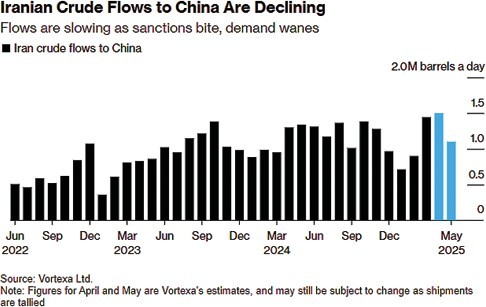
    China Oil Buy Drops, But Remains High

    China Oil Buy Drops, But Remains High

    Gov’t Ends Ban Importing Goods Made In Iran

    Minimum Wage is Boosted 45%

    Banks Must Keep More Money On Hand

    Banks Must Keep More Money On Hand

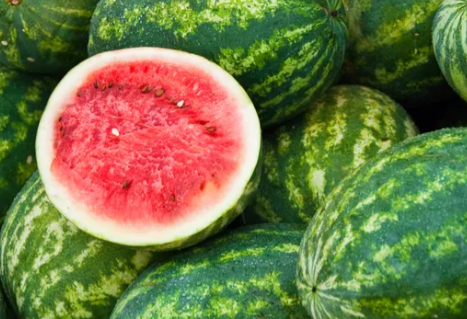
    Russian Says Iran Watermelons Unsafe

    Russian Says Iran Watermelons Unsafe

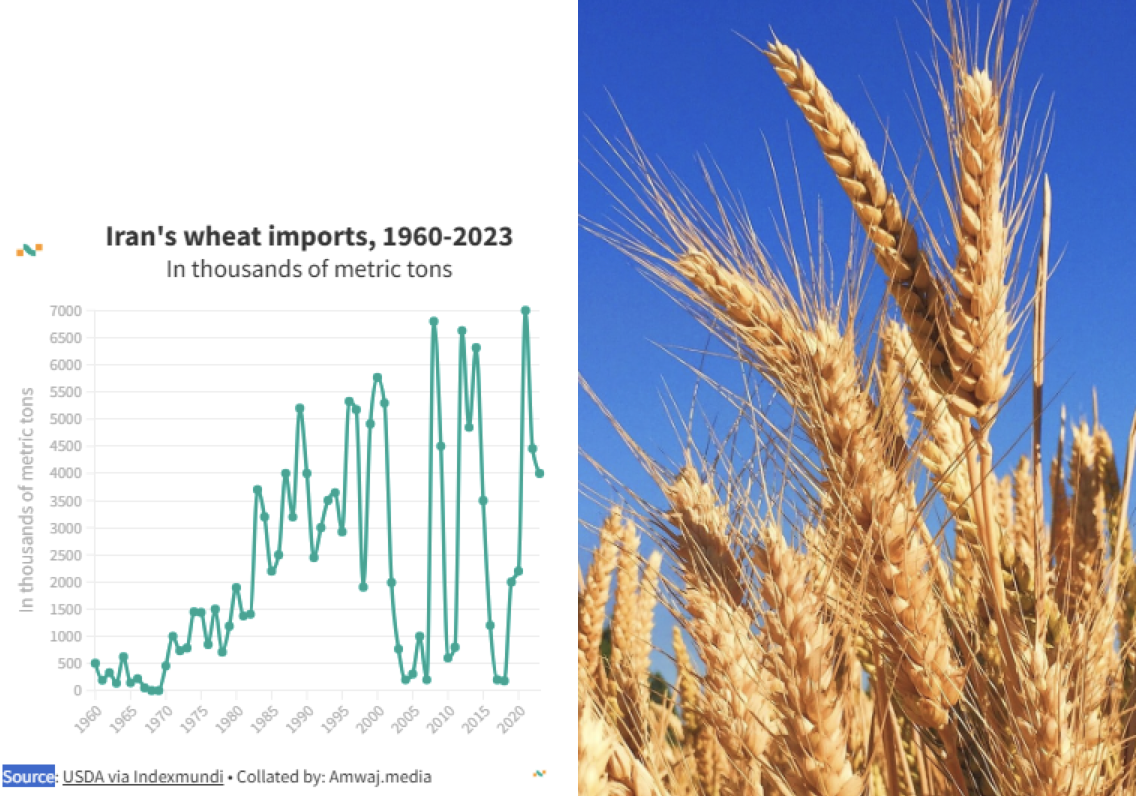
    Iran Not To Be Self-Sufficient In Wheat This Year

    Iran Not To Be Self-Sufficient In Wheat This Year

  • Tidbits and Morsels
  • Latest
    Hell Comes To A Pasdar Base North of Tehran

    Hell Comes To A Pasdar Base North of Tehran

    US Mail To Iran Is Suspended

    President Takes Time Off For Surgery

    President Takes Time Off For Surgery

    After Month Of Talks, Trump Decides He Wants No Enrichment

    The Lights Are Going Out All Over Iran

    Drone Attack That Killed 3 US Troops in Jordan Could Have Been Foiled

    Iranian-Canadians Reportedly Turned Away at US Border

    Iranian-Americans: an Account of Integration and Achievement

    Jamshid Myth

  • About Us
  • Advertising
  • Subscription
No Result
View All Result
  • Home
  • What’s the News
    • All
    • baygani
    Army Says It Makes Some Officers UN Peacekeepers

    Army Says It Makes Some Officers UN Peacekeepers

    Iran May Curry Favor With Egypt By Axing Street Name

    Iran May Curry Favor With Egypt By Axing Street Name

    Regime Barks Loudly At Dog Owners

    Regime Barks Loudly At Dog Owners

    Campaign To Rid Iran of Afghans Moves Into Trumpian High Gear

    Campaign To Rid Iran of Afghans Moves Into Trumpian High Gear

    Russia, China Interfere To Stunt Iran Nuclear Plan

    Russia, China Interfere To Stunt Iran Nuclear Plan

    Regime Hangs Convicted Killer of 7 in 2022 Protests

    Regime Hangs Convicted Killer of 7 in 2022 Protests

    Trump Kicks Trio Off Iran Issues For Being Too Pro-Israel

    Trump Kicks Trio Off Iran Issues For Being Too Pro-Israel

    Omid The Siberian Crane May Have Died

    Omid The Siberian Crane May Have Died

    Israel Built Drones In A Factory Set Near Tehran

    Israel Built Drones In A Factory Set Near Tehran

  • Diaspora
  • Economy
    Economist Says Biggest Problem For Iranian Economy is State Controls

    Economist Says Biggest Problem For Iranian Economy is State Controls

    US Stops Turkmen Gas Crossing Iran For Iraq

    US Stops Turkmen Gas Crossing Iran For Iraq

    For Umpteenth Time, Auto Privatization Again Killed

    For Umpteenth Time, Auto Privatization Again Killed

    China Oil Buy Drops, But Remains High

    China Oil Buy Drops, But Remains High

    Gov’t Ends Ban Importing Goods Made In Iran

    Minimum Wage is Boosted 45%

    Banks Must Keep More Money On Hand

    Banks Must Keep More Money On Hand

    Russian Says Iran Watermelons Unsafe

    Russian Says Iran Watermelons Unsafe

    Iran Not To Be Self-Sufficient In Wheat This Year

    Iran Not To Be Self-Sufficient In Wheat This Year

  • Tidbits and Morsels
  • Latest
    Hell Comes To A Pasdar Base North of Tehran

    Hell Comes To A Pasdar Base North of Tehran

    US Mail To Iran Is Suspended

    President Takes Time Off For Surgery

    President Takes Time Off For Surgery

    After Month Of Talks, Trump Decides He Wants No Enrichment

    The Lights Are Going Out All Over Iran

    Drone Attack That Killed 3 US Troops in Jordan Could Have Been Foiled

    Iranian-Canadians Reportedly Turned Away at US Border

    Iranian-Americans: an Account of Integration and Achievement

    Jamshid Myth

  • About Us
  • Advertising
  • Subscription
No Result
View All Result
Iran Times
No Result
View All Result

Obama misses the point of Iran sanctions

By Emanuele Ottolenghi
In his State of the Union address last month, President Obama reiterated his threat to veto legislation that would trigger new sanctions if diplomacy over Iran’s nuclear program runs aground. On the face of it, the administration’s rhetoric is persuasive: the threat of new sanctions could trigger an Iranian walk-out and possibly war; Iran might retaliate by reneging on its commitments under the existing nuclear interim agreement, and America’s European allies in the negotiations would part ways. Moreover, the administration says, new sanctions are unnecessary because the interim agreement has frozen Iran’s nuclear progress in exchange for negligible and fully reversible sanctions relief, and because the international sanctions architecture remains both intact and effective. The administration is wrong.
Over time, the effectiveness of sanctions inevitably diminishes, as the economies they target adjust. By nature, sanctions only work when they are continuously escalated, lest their impact wear out. That is precisely why Iran drags negotiations from one deadline to the next – over time, negotiators’ commitments to not pass new measures reduce their leverage.
A case in point is Turkey, which in recent years has increasingly served as a transshipment point for Iranian sanctions evaders. As of last June, there were over 3,500 companies established by Iranian foreign direct investment in Turkey, up from 2,300 in late 2012. Meanwhile, Turkey also hosts 1,500 Syrian companies, and hundreds of entities whose nominal owners are based in offshore jurisdictions, including five St. Kitts and Nevis firms that are owned by Iranian dual nationals.
In 2012, U.S. sanctions mandated that buyers of Iranian oil such as Turkey could get an exemption from the oil embargo, provided that oil revenues were paid in local currency, in partially locked escrow accounts held in local banks. Iran, however, could only use the revenue to buy non-sanctioned goods from local suppliers. Such measures initially depleted Iran’s foreign currency reserves, and continue to constrain Iran’s access to hard cash and a free rein over its oil revenues. Still, Tehran has found ways around them.
A December 2013 corruption scandal in Turkey underscored the kind of sanctions loopholes that Iran expertly exploits. As my colleagues Mark Dubowitz and Jonathan Schanzer have revealed, the scheme involved an alleged Iranian proxy laundering $120 billion in oil revenues by buying gold and shipping it back to Iran.
A leaked prosecutor’s report focused on Reza Zarrab, a Turkish-Iranian dual national, whose companies were widely implicated in the scheme and in dispensing lavish gifts to Turkish public figures. The international media coverage focused on gold, but buried in the report, taped conversations between the alleged culprits reveal their decision to shift from the illicit purchase of gold to the technically legal purchase of food and medicine.
Food and medicine, after all, are not subject to sanctions, and the interim agreement even created a humanitarian banking channel to expedite such transactions. The U.S. Treasury routinely issues licenses to U.S. companies wishing to export medical equipment to Iran. Most U.S.-Iranian bilateral trade consists of medicine and food staples.
Parliamentary questions from members of the Turkish opposition over whether Zarrab’s food company fictitiously sold wheat to Iran were routinely ignored by the Turkish government, even though the prosecutor’s report shows evidence of false invoicing for brown sugar at the impossibly high price of 1,170 Turkish lira, or almost $500, per kilo ($220 per pound).
Nor was this an isolated case. There are hundreds of Iranian companies in Turkey today involved in wholesale trade of food commodities. Among them, one is owned by the Supreme Leader’s holding company; another by a senior official from Iran’s U.S.- and EU-sanctioned Bank Mellat; and one co-owned by a former president of the Alavi Foundation, a New York-based Iranian charity whose assets the U.S. government recently seized.
Buying food at inflated prices – or making false purchases by issuing false invoices – enables Iranian fronts to free up oil revenues from partially locked escrow accounts and repatriate the cash.
The Obama administration knows that sanctions are not foolproof – after all, since the interim deal was signed, it has targeted dozens of Iranian-run front companies engaged in sanctions evasion overseas, most recently in December. But Washington also refuses to acknowledge that the longer negotiations drag on without new sanctions, the better equipped Iran’s economy becomes to weather the sanctions that arguably brought its leaders to negotiations to begin with.
Honoring commitments is one thing, but inviting our own exploitation is another. That is why proposed congressional legislation triggering sanctions if negotiations fail is wise. Unless the price for Iran’s nuclear stalling and cheating rises, Iran’s best bet is to keep haggling without ever getting to yes.

Emanuele Ottolenghi is a Senior Fellow at the Foundation for Defense of Democracies and at its new Center on Sanctions and Illicit Financing.

Previous Post

Oklahoma Muslim asked to sign anti-Muslim petition

Next Post

Iran’s economy will slow but continue to grow under cheaper oil and current sanctions

Related Posts

Can Israel Destroy Iran’s Nuclear Program?
Commentary

Can Israel Destroy Iran’s Nuclear Program?

The Right Path to Regime Change In Iran
Commentary

The Right Path to Regime Change In Iran

Commentary

Trump has Achance to Strike a Deal with Iran

Next Post

Iran’s economy will slow but continue to grow under cheaper oil and current sanctions

ISIS is losing in Iraq—but what happens next?

Leave a Reply Cancel reply

Your email address will not be published. Required fields are marked *

  • About Us
  • Contact Us
  • Advertising
  • Subscription
  • Culture
  • Economy
Call us: +1 (202)-659-9868

© 1970-2025 Iran Times - ‬An‭ ‬Independent‭ ‬Newspaper

Welcome Back!

Login to your account below

Forgotten Password?

Retrieve your password

Please enter your username or email address to reset your password.

Log In
No Result
View All Result
  • Home
  • What’s the News
  • Diaspora
  • Economy
  • Tidbits and Morsels
  • Latest
  • About Us
  • Advertising
  • Subscription

© 1970-2025 Iran Times - ‬An‭ ‬Independent‭ ‬Newspaper

Are you sure want to unlock this post?
Unlock left : 0
Are you sure want to cancel subscription?
Go to mobile version