












• About Us
  • Subscription
  • Contact Us
Saturday, March 7, 2026
  • Login
Iran Times
  • Home
  • What’s the News
    • All
    • baygani
    Army Says It Makes Some Officers UN Peacekeepers

    Army Says It Makes Some Officers UN Peacekeepers

    Iran May Curry Favor With Egypt By Axing Street Name

    Iran May Curry Favor With Egypt By Axing Street Name

    Regime Barks Loudly At Dog Owners

    Regime Barks Loudly At Dog Owners

    Campaign To Rid Iran of Afghans Moves Into Trumpian High Gear

    Campaign To Rid Iran of Afghans Moves Into Trumpian High Gear

    Russia, China Interfere To Stunt Iran Nuclear Plan

    Russia, China Interfere To Stunt Iran Nuclear Plan

    Regime Hangs Convicted Killer of 7 in 2022 Protests

    Regime Hangs Convicted Killer of 7 in 2022 Protests

    Trump Kicks Trio Off Iran Issues For Being Too Pro-Israel

    Trump Kicks Trio Off Iran Issues For Being Too Pro-Israel

    Omid The Siberian Crane May Have Died

    Omid The Siberian Crane May Have Died

    Israel Built Drones In A Factory Set Near Tehran

    Israel Built Drones In A Factory Set Near Tehran

  • Diaspora
  • Economy
    Economist Says Biggest Problem For Iranian Economy is State Controls

    Economist Says Biggest Problem For Iranian Economy is State Controls

    US Stops Turkmen Gas Crossing Iran For Iraq

    US Stops Turkmen Gas Crossing Iran For Iraq

    For Umpteenth Time, Auto Privatization Again Killed

    For Umpteenth Time, Auto Privatization Again Killed

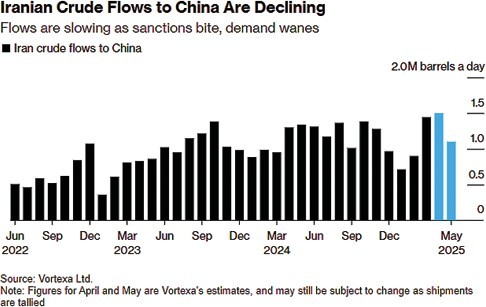
    China Oil Buy Drops, But Remains High

    China Oil Buy Drops, But Remains High

    Gov’t Ends Ban Importing Goods Made In Iran

    Minimum Wage is Boosted 45%

    Banks Must Keep More Money On Hand

    Banks Must Keep More Money On Hand

    Russian Says Iran Watermelons Unsafe

    Russian Says Iran Watermelons Unsafe

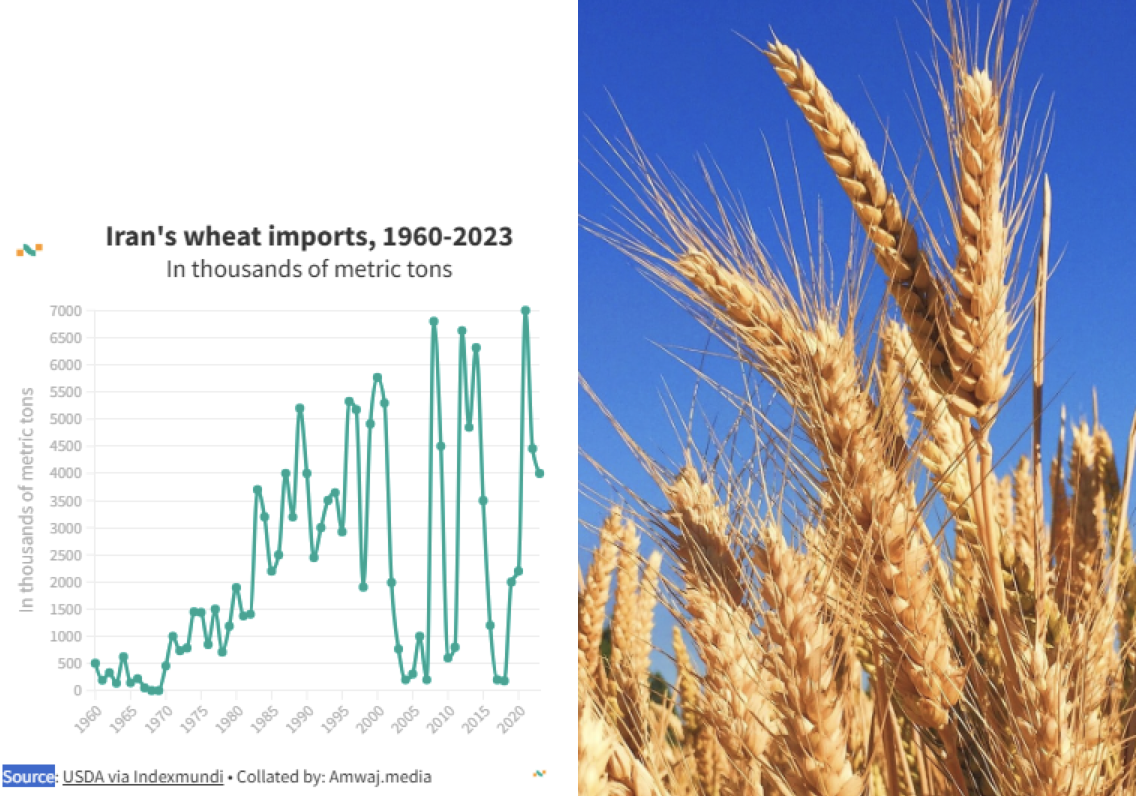
    Iran Not To Be Self-Sufficient In Wheat This Year

    Iran Not To Be Self-Sufficient In Wheat This Year

  • Tidbits and Morsels
  • Latest
    Hell Comes To A Pasdar Base North of Tehran

    Hell Comes To A Pasdar Base North of Tehran

    US Mail To Iran Is Suspended

    President Takes Time Off For Surgery

    President Takes Time Off For Surgery

    After Month Of Talks, Trump Decides He Wants No Enrichment

    The Lights Are Going Out All Over Iran

    Drone Attack That Killed 3 US Troops in Jordan Could Have Been Foiled

    Iranian-Canadians Reportedly Turned Away at US Border

    Iranian-Americans: an Account of Integration and Achievement

    Jamshid Myth

  • About Us
  • Advertising
  • Subscription
No Result
View All Result
  • Home
  • What’s the News
    • All
    • baygani
    Army Says It Makes Some Officers UN Peacekeepers

    Army Says It Makes Some Officers UN Peacekeepers

    Iran May Curry Favor With Egypt By Axing Street Name

    Iran May Curry Favor With Egypt By Axing Street Name

    Regime Barks Loudly At Dog Owners

    Regime Barks Loudly At Dog Owners

    Campaign To Rid Iran of Afghans Moves Into Trumpian High Gear

    Campaign To Rid Iran of Afghans Moves Into Trumpian High Gear

    Russia, China Interfere To Stunt Iran Nuclear Plan

    Russia, China Interfere To Stunt Iran Nuclear Plan

    Regime Hangs Convicted Killer of 7 in 2022 Protests

    Regime Hangs Convicted Killer of 7 in 2022 Protests

    Trump Kicks Trio Off Iran Issues For Being Too Pro-Israel

    Trump Kicks Trio Off Iran Issues For Being Too Pro-Israel

    Omid The Siberian Crane May Have Died

    Omid The Siberian Crane May Have Died

    Israel Built Drones In A Factory Set Near Tehran

    Israel Built Drones In A Factory Set Near Tehran

  • Diaspora
  • Economy
    Economist Says Biggest Problem For Iranian Economy is State Controls

    Economist Says Biggest Problem For Iranian Economy is State Controls

    US Stops Turkmen Gas Crossing Iran For Iraq

    US Stops Turkmen Gas Crossing Iran For Iraq

    For Umpteenth Time, Auto Privatization Again Killed

    For Umpteenth Time, Auto Privatization Again Killed

    China Oil Buy Drops, But Remains High

    China Oil Buy Drops, But Remains High

    Gov’t Ends Ban Importing Goods Made In Iran

    Minimum Wage is Boosted 45%

    Banks Must Keep More Money On Hand

    Banks Must Keep More Money On Hand

    Russian Says Iran Watermelons Unsafe

    Russian Says Iran Watermelons Unsafe

    Iran Not To Be Self-Sufficient In Wheat This Year

    Iran Not To Be Self-Sufficient In Wheat This Year

  • Tidbits and Morsels
  • Latest
    Hell Comes To A Pasdar Base North of Tehran

    Hell Comes To A Pasdar Base North of Tehran

    US Mail To Iran Is Suspended

    President Takes Time Off For Surgery

    President Takes Time Off For Surgery

    After Month Of Talks, Trump Decides He Wants No Enrichment

    The Lights Are Going Out All Over Iran

    Drone Attack That Killed 3 US Troops in Jordan Could Have Been Foiled

    Iranian-Canadians Reportedly Turned Away at US Border

    Iranian-Americans: an Account of Integration and Achievement

    Jamshid Myth

  • About Us
  • Advertising
  • Subscription
No Result
View All Result
Iran Times
No Result
View All Result

In Iran nuclear talks, sharpening consequences of failure is critical

By Michael Singh and

Simond de Galbert

While many observers focus on what would constitute an acceptable deal with Iran, just as important is how to arrive at such an agreement.

Iranian negotiators appear determined to once again postpone decisions required to finalize a deal. Tactically speaking, they could be seeking to gridlock discussions at the experts’ level in an effort to transfer outstanding issues to the ministerial level, where they may expect the pressure of the June 30 deadline to produce more flexibility from the West. It’s also possible that Iran is reluctant to sign off on a deal that is explicit on the issues; Iranian negotiators were skeptical about negotiating too precise a technical implementation plan to the 2013 interim Joint Plan of Action that would constrain their margin for maneuver.

Alternatively, Iran’s behavior could reflect more strategic considerations. The 2013 action plan reduced the severity and urgency of the threats to Iran’s regime, effectively creating a zone of comfort. Western negotiating countries–the five permanent members of the U.N. Security Council and Germany, or “P5+1–also benefited, primarily by halting progress of most elements of Iran’s nuclear program.

But from Tehran’s standpoint, the November 2013 deal achieved two strategic objectives:

First, it managed to stop the momentum of increasing pressure on Iran’s economy and to eliminate the prospect of further sanctions. In this more predictable environment, the government of President Hasan Rouhani–far more capable than its predecessor–was able to stabilize Iran’s economy and deliver some of the growth that Iran’s large consumer market should have experienced long ago. And as long as diplomatic discussions continued, the 2013 plan made the possibility of a military strike against Iranian nuclear facilities remote.

That agreement also shifted the objectives of negotiations, which had long been to establish that Iran’s nuclear program was peaceful and exclusively civilian. Instead, Iran was permitted to retain its capacity to enrich uranium and, eventually, to expand it without limits after a certain period to be negotiated (10 to 15 years, according to the parameters the U.S. made public April 2). In other words, the 2013 plan legitimized Iran’s technical ability to break out of its obligations under the Non-Proliferation Treaty and shifted Western focus to the amount of time needed to prevent a successful breakout.

It is possible that Iran’s supreme leader, Ayatollah Ali Khamenei, would not oppose an agreement were it to prevent the International Atomic Energy Agency from conducting effective verification, reduce the level of transparency Iran is required to maintain about past and present military nuclear activities (and not make such transparency a precondition for suspending sanctions), and places weak constraints on Iran’s research and development of uranium enrichment.But if the West insists on stronger provisions, Ayatollah Khamenei may settle for a Plan B. After all, failure to reach an agreement by June 30 or shortly thereafter would not yield immediate military action or new sanctions. Were those real threats, Iran would have greater incentive to negotiate more seriously. Instead, if past trends hold, talks are likely to continue after the deadline passes unmet, maintaining Iran’s comfort zone even without a formal extension of the 2013 Joint Plan of Action.

Iran’s sanguinity toward failure means that negotiators must focus not only on the substance of a deal but also on sharpening the consequences should Tehran fail to accept the P5+1 proposals.

Iran could be confronted with a “take it or leave it” proposal, a tactic employed by Western negotiators in Lausanne when talks were on the brink of failure. If Iran fails to respond positively, the P5+1 need not immediately cease honoring the Joint Plan of Action but also would not need to promise any continuation of talks; rather, they would reserve the right to ramp up sanctions and to stake out more stringent positions on matters such as Iran’s uranium enrichment. Tehran would face a choice: to accept the sort of nuclear restrictions required to obtain sanctions relief, to continue honoring the 2013 limits without such relief, or to abrogate those limits and endure even tougher penalties.

The fate of nuclear talks with Iran will not be determined by the nature of relations between negotiators or their goodwill but by a cost-benefit analysis for the countries involved. The P5+1 strategy needs to reflect that to increase the chances of a peaceful resolution.


Michael Singh is managing director of the Washington Institute for Near East Policy. Simond de Galbert is a French diplomat on detail as a visiting fellow to the Center for Strategic and International Studies’ Europe program.

Previous Post

Iran needs to come clean with what, not why

Next Post

The partition of ‘Syraq’

Related Posts

Can Israel Destroy Iran’s Nuclear Program?
Commentary

Can Israel Destroy Iran’s Nuclear Program?

The Right Path to Regime Change In Iran
Commentary

The Right Path to Regime Change In Iran

Commentary

Trump has Achance to Strike a Deal with Iran

Next Post

The partition of ‘Syraq’

How sanctions relief can help and hurt the Iranian economy

Leave a Reply Cancel reply

Your email address will not be published. Required fields are marked *

  • About Us
  • Contact Us
  • Advertising
  • Subscription
  • Culture
  • Economy
Call us: +1 (202)-659-9868

© 1970-2025 Iran Times - ‬An‭ ‬Independent‭ ‬Newspaper

Welcome Back!

Login to your account below

Forgotten Password?

Retrieve your password

Please enter your username or email address to reset your password.

Log In
No Result
View All Result
  • Home
  • What’s the News
  • Diaspora
  • Economy
  • Tidbits and Morsels
  • Latest
  • About Us
  • Advertising
  • Subscription

© 1970-2025 Iran Times - ‬An‭ ‬Independent‭ ‬Newspaper

Are you sure want to unlock this post?
Unlock left : 0
Are you sure want to cancel subscription?
Go to mobile version