














• About Us
  • Subscription
  • Contact Us
Thursday, April 23, 2026
  • Login
Iran Times
  • Home
  • What’s the News
    • All
    • baygani
    Army Says It Makes Some Officers UN Peacekeepers

    Army Says It Makes Some Officers UN Peacekeepers

    Iran May Curry Favor With Egypt By Axing Street Name

    Iran May Curry Favor With Egypt By Axing Street Name

    Regime Barks Loudly At Dog Owners

    Regime Barks Loudly At Dog Owners

    Campaign To Rid Iran of Afghans Moves Into Trumpian High Gear

    Campaign To Rid Iran of Afghans Moves Into Trumpian High Gear

    Russia, China Interfere To Stunt Iran Nuclear Plan

    Russia, China Interfere To Stunt Iran Nuclear Plan

    Regime Hangs Convicted Killer of 7 in 2022 Protests

    Regime Hangs Convicted Killer of 7 in 2022 Protests

    Trump Kicks Trio Off Iran Issues For Being Too Pro-Israel

    Trump Kicks Trio Off Iran Issues For Being Too Pro-Israel

    Omid The Siberian Crane May Have Died

    Omid The Siberian Crane May Have Died

    Israel Built Drones In A Factory Set Near Tehran

    Israel Built Drones In A Factory Set Near Tehran

  • Diaspora
  • Economy
    Economist Says Biggest Problem For Iranian Economy is State Controls

    Economist Says Biggest Problem For Iranian Economy is State Controls

    US Stops Turkmen Gas Crossing Iran For Iraq

    US Stops Turkmen Gas Crossing Iran For Iraq

    For Umpteenth Time, Auto Privatization Again Killed

    For Umpteenth Time, Auto Privatization Again Killed

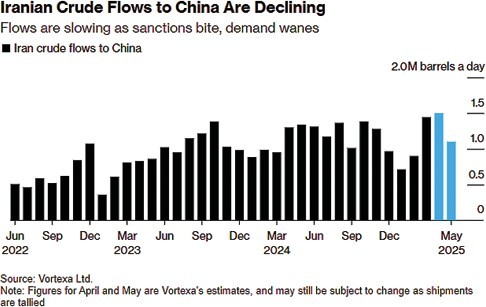
    China Oil Buy Drops, But Remains High

    China Oil Buy Drops, But Remains High

    Gov’t Ends Ban Importing Goods Made In Iran

    Minimum Wage is Boosted 45%

    Banks Must Keep More Money On Hand

    Banks Must Keep More Money On Hand

    Russian Says Iran Watermelons Unsafe

    Russian Says Iran Watermelons Unsafe

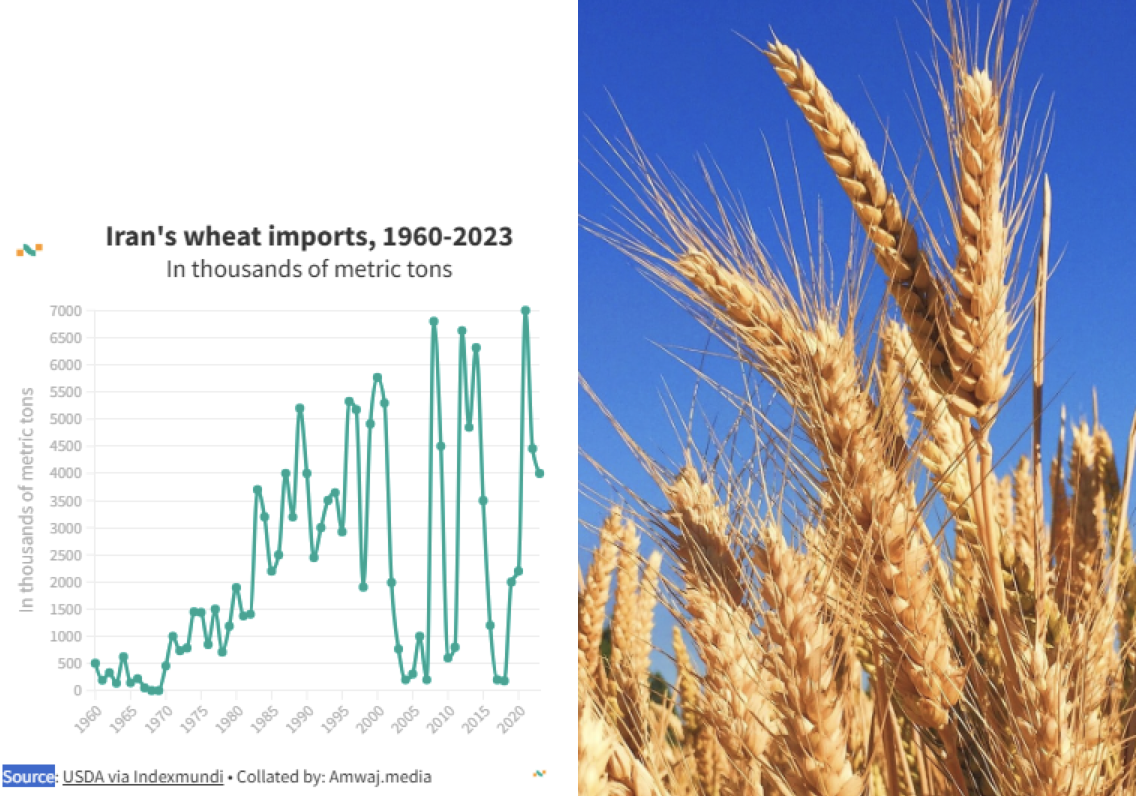
    Iran Not To Be Self-Sufficient In Wheat This Year

    Iran Not To Be Self-Sufficient In Wheat This Year

  • Tidbits and Morsels
  • Latest
    Hell Comes To A Pasdar Base North of Tehran

    Hell Comes To A Pasdar Base North of Tehran

    US Mail To Iran Is Suspended

    President Takes Time Off For Surgery

    President Takes Time Off For Surgery

    After Month Of Talks, Trump Decides He Wants No Enrichment

    The Lights Are Going Out All Over Iran

    Drone Attack That Killed 3 US Troops in Jordan Could Have Been Foiled

    Iranian-Canadians Reportedly Turned Away at US Border

    Iranian-Americans: an Account of Integration and Achievement

    Jamshid Myth

  • About Us
  • Advertising
  • Subscription
No Result
View All Result
  • Home
  • What’s the News
    • All
    • baygani
    Army Says It Makes Some Officers UN Peacekeepers

    Army Says It Makes Some Officers UN Peacekeepers

    Iran May Curry Favor With Egypt By Axing Street Name

    Iran May Curry Favor With Egypt By Axing Street Name

    Regime Barks Loudly At Dog Owners

    Regime Barks Loudly At Dog Owners

    Campaign To Rid Iran of Afghans Moves Into Trumpian High Gear

    Campaign To Rid Iran of Afghans Moves Into Trumpian High Gear

    Russia, China Interfere To Stunt Iran Nuclear Plan

    Russia, China Interfere To Stunt Iran Nuclear Plan

    Regime Hangs Convicted Killer of 7 in 2022 Protests

    Regime Hangs Convicted Killer of 7 in 2022 Protests

    Trump Kicks Trio Off Iran Issues For Being Too Pro-Israel

    Trump Kicks Trio Off Iran Issues For Being Too Pro-Israel

    Omid The Siberian Crane May Have Died

    Omid The Siberian Crane May Have Died

    Israel Built Drones In A Factory Set Near Tehran

    Israel Built Drones In A Factory Set Near Tehran

  • Diaspora
  • Economy
    Economist Says Biggest Problem For Iranian Economy is State Controls

    Economist Says Biggest Problem For Iranian Economy is State Controls

    US Stops Turkmen Gas Crossing Iran For Iraq

    US Stops Turkmen Gas Crossing Iran For Iraq

    For Umpteenth Time, Auto Privatization Again Killed

    For Umpteenth Time, Auto Privatization Again Killed

    China Oil Buy Drops, But Remains High

    China Oil Buy Drops, But Remains High

    Gov’t Ends Ban Importing Goods Made In Iran

    Minimum Wage is Boosted 45%

    Banks Must Keep More Money On Hand

    Banks Must Keep More Money On Hand

    Russian Says Iran Watermelons Unsafe

    Russian Says Iran Watermelons Unsafe

    Iran Not To Be Self-Sufficient In Wheat This Year

    Iran Not To Be Self-Sufficient In Wheat This Year

  • Tidbits and Morsels
  • Latest
    Hell Comes To A Pasdar Base North of Tehran

    Hell Comes To A Pasdar Base North of Tehran

    US Mail To Iran Is Suspended

    President Takes Time Off For Surgery

    President Takes Time Off For Surgery

    After Month Of Talks, Trump Decides He Wants No Enrichment

    The Lights Are Going Out All Over Iran

    Drone Attack That Killed 3 US Troops in Jordan Could Have Been Foiled

    Iranian-Canadians Reportedly Turned Away at US Border

    Iranian-Americans: an Account of Integration and Achievement

    Jamshid Myth

  • About Us
  • Advertising
  • Subscription
No Result
View All Result
Iran Times
No Result
View All Result

Collapse over Iran’s missiles

October 14, 2016

by Lawrence J. Haas

The revelation of recent days that, back in January, President Obama agreed that the United Nations should lift its sanctions against two Iranian state banks which financed Iran’s ballistic missile development puts the lie to Washington’s claims – stubbornly maintained for more than a year – that it was determined to rein in the Islamic Republic’s expanding missile program.

In fact, the president’s decision reflects a larger pattern of U.S. backtracking over Iran’s ballistic missiles – one that dates back to well before the landmark U.S.-led global agreement with Iran over its nuclear program in July of 2015.

During the U.S.-led negotiations over that agreement, the president decided they should focus squarely on Iran’s nuclear program and not cover such related issues as Iran’s development and testing of long-range ballistic missiles that can carry nuclear warheads – despite the obvious tie between nuclear weapons and ballistic missiles

With an agreement over Iran’s nuclear program in place, U.S. officials argued, they could then pressure Iran over not only its ballistic missile program but also its sponsorship of terror, its efforts to destabilize Sunni nations in the region and its increasingly grotesque human rights record at home.

But the public record – of which the new revelation about sanctions relief is now a part, courtesy of The Wall Street Journal – reveals something far different: While negotiating and implementing the nuclear agreement, Washington took multiple steps that not only legitimized Iran’s missile program but actually helped Tehran make further progress.

The Islamic Republic is trying to force concessions by crying foul over nuclear deal implementation.

First and foremost, the United States agreed to soften the global prohibitions directed against that program.

Back in June of 2010, the United Nations Security Council adopted Resolution 1929, which was in place until July 2015 and which stated that Iran “shall not undertake any activity related to ballistic missiles capable of delivering nuclear weapons, including launches using ballistic missile technology.” That restriction was crystal clear.

But under Resolution 2231, which the Security Council passed in conjunction with the nuclear deal, Iran was merely “called upon not to undertake any activity related to ballistic missiles designed to be capable of delivering nuclear weapons, including launches using such ballistic missile technology.” In other words, what had been a legal restriction was now, at Tehran’s demand and with Washington’s assent, a rhetorical admonition.

Second, as we now know, the United States agreed to let the United Nations lift its sanctions against two Iranian state banks that financed the ballistic missile program eight years ahead of schedule.

Under the nuclear deal, Washington agreed to lift its own sanctions, in place since 2007, on Iran’s Bank Sepah and its subsidiary, Bank Sepah International, for their role as – according to Stuart Levey, then-Treasury under secretary for terrorism and financial intelligence – “the financial linchpin of Iran’s missile procurement network.” The U.N. sanctions, however, were supposed to remain in effect until 2023.

But in a series of secret U.S.-Iranian deals that the two nations inked in Geneva on Jan. 17, Washington agreed to the immediate end to the U.N. sanctions, to which the Security Council quickly acceded. (That, by the way, came in conjunction with other controversial U.S.-Iranian agreements under which Tehran released four Americans it was holding and Washington sent $1.7 billion to Iran to settle a legal dispute – something which critics call a ransom payment, but the administration insists is not.)

The new security agreement between the U.S. and Israel isn’t as revolutionary as the Obama administration claims.

All of that makes Washington’s tut-tutting about Iran’s testing of increasingly sophisticated, longer range ballistic missiles more than a little disingenuous. Tehran has conducted up to 10 such tests since the nuclear deal came together 15 months ago, and U.S. officials tend to react to each one by expressing concern.

After Iranian tests early this year, including a March 9 test in which one rocket reportedly carried the words “Israel must be wiped off the earth” in Hebrew and Persian, Secretary of State John Kerry offered to work toward a “new arrangement to find a peaceful solution” to the controversy over Iran’s missile program – but Iran first had to “make it clear to everybody that they are prepared to cease these kinds of activities that raise questions about credibility and questions about intentions.”

Not surprisingly, Iran quickly dismissed the offer, with top Iranian officials calling Kerry’s comments “baseless” and “nonsense” and insisting that the ballistic missile program is nonnegotiable.

Who can blame Tehran, after Washington had sent repeated signals by then that it wasn’t serious about the missile program to begin with?

So, here’s a disturbing question: Have U.S. officials just been pretending that they’re serious about restraining Iran’s missile program, or have they deluded themselves into thinking that they still could do so?


Lawrence J. Haas, a senior fellow at the American Foreign Policy Council, is the author of the new book “Harry and Arthur: Truman, Vandenberg, and the Partnership That Created the Free World.” This article originally appeared in U.S. News & World Report.


Previous Post

Is Iran’s recent muscle flexing more than usual show of force?

Next Post

Iran – Rich & submissive or poor & pure?

Related Posts

Can Israel Destroy Iran’s Nuclear Program?
Commentary

Can Israel Destroy Iran’s Nuclear Program?

The Right Path to Regime Change In Iran
Commentary

The Right Path to Regime Change In Iran

Commentary

Trump has Achance to Strike a Deal with Iran

Next Post

Iran – Rich & submissive or poor & pure?

Your Boycott Won’t Help Iranian Women

Leave a Reply Cancel reply

Your email address will not be published. Required fields are marked *

  • About Us
  • Contact Us
  • Advertising
  • Subscription
  • Culture
  • Economy
Call us: +1 (202)-659-9868

© 1970-2025 Iran Times - ‬An‭ ‬Independent‭ ‬Newspaper

Welcome Back!

Login to your account below

Forgotten Password?

Retrieve your password

Please enter your username or email address to reset your password.

Log In
No Result
View All Result
  • Home
  • What’s the News
  • Diaspora
  • Economy
  • Tidbits and Morsels
  • Latest
  • About Us
  • Advertising
  • Subscription

© 1970-2025 Iran Times - ‬An‭ ‬Independent‭ ‬Newspaper

Are you sure want to unlock this post?
Unlock left : 0
Are you sure want to cancel subscription?
Go to mobile version