







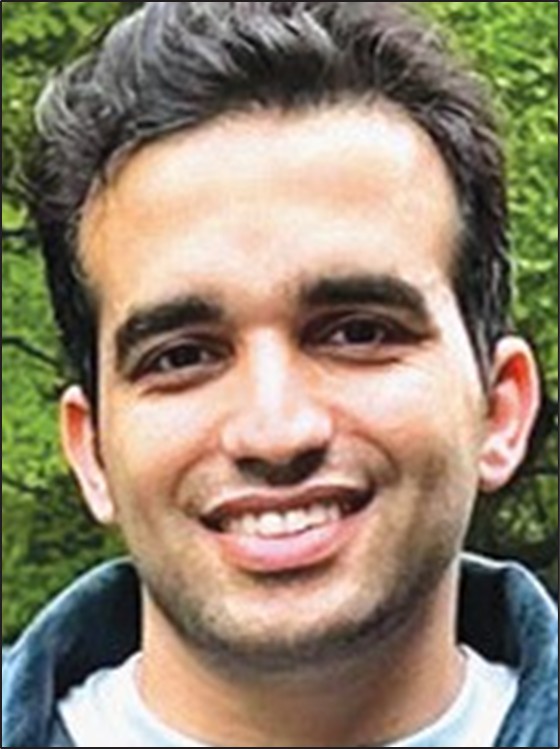
Alireza Doroudi, an Iranian studying for his doctorate in Alabama, has left the United States to return to Iran, citing a lack of fairness and due process in his legal proceedings, according to his attorney, David Rozas.
. . . back in Iran
Doroudi’s departure came on June 1, which was 24 days after he said he had been worn down by 44 days held in detention without evidence supporting vague statements that the federal government had national security concerns about him. There was also no explanation for why the immigration agency kept him in detention more than three weeks after he said he would accept deportation in order to get out of jail.
Rozas stated, “For weeks, Mr. Doroudi was held in detention without any substantiated evidence presented to justify the initial claims of national security concerns.” Despite having a valid F-1 student visa and no history of protest or political activity, Doroudi was denied bond and faced legal delays.
After a May 8 hearing before Judge Maithe Gonzalez, Doroudi opted for voluntary departure. “I love this country, but they don’t want me here, so I will go home,” Doroudi said at the hearing.
Rozas noted that the Department of Homeland Security acknowledged the visa revocation charge did not apply while Doroudi was in the US and intended to drop it. However, the court required further filings despite evidence in Doroudi’s favor.
“Mr. Doroudi’s return is a warning,” Rozas said. “When individuals are detained without evidence, forced to disprove unfounded allegations, and pressured to leave a country they sought to contribute to, we must ask: What message are we sending to international students? To immigrant communities? To those who believe in the promise of American justice?”
Rozas concluded, “This was not justice. This was attrition by detention. And it should never have come to this.” He emphasized his commitment to seeking accountability for the failures in Doroudi’s case and preventing similar situations in the future.
Doroudi, 32, was a doctoral candidate in mechanical engineering at the University of Alabama in Tuscaloosa. He expected to complete his doctorate next year. It wasn’t clear if he will be able to complete his doctorate at the university while overseas.
Doroudi had no criminal record in the United States. He had one traffic violation in Alabama.
He said the physical, mental and emotional drain of his imprisonment was too much and he told his lawyer to stop defending him and allow him to get out of detection by leaving the United States.