




• About Us
  • Subscription
  • Contact Us
Monday, March 9, 2026
  • Login
Iran Times
  • Home
  • What’s the News
    • All
    • baygani
    Army Says It Makes Some Officers UN Peacekeepers

    Army Says It Makes Some Officers UN Peacekeepers

    Iran May Curry Favor With Egypt By Axing Street Name

    Iran May Curry Favor With Egypt By Axing Street Name

    Regime Barks Loudly At Dog Owners

    Regime Barks Loudly At Dog Owners

    Campaign To Rid Iran of Afghans Moves Into Trumpian High Gear

    Campaign To Rid Iran of Afghans Moves Into Trumpian High Gear

    Russia, China Interfere To Stunt Iran Nuclear Plan

    Russia, China Interfere To Stunt Iran Nuclear Plan

    Regime Hangs Convicted Killer of 7 in 2022 Protests

    Regime Hangs Convicted Killer of 7 in 2022 Protests

    Trump Kicks Trio Off Iran Issues For Being Too Pro-Israel

    Trump Kicks Trio Off Iran Issues For Being Too Pro-Israel

    Omid The Siberian Crane May Have Died

    Omid The Siberian Crane May Have Died

    Israel Built Drones In A Factory Set Near Tehran

    Israel Built Drones In A Factory Set Near Tehran

  • Diaspora
  • Economy
    Economist Says Biggest Problem For Iranian Economy is State Controls

    Economist Says Biggest Problem For Iranian Economy is State Controls

    US Stops Turkmen Gas Crossing Iran For Iraq

    US Stops Turkmen Gas Crossing Iran For Iraq

    For Umpteenth Time, Auto Privatization Again Killed

    For Umpteenth Time, Auto Privatization Again Killed

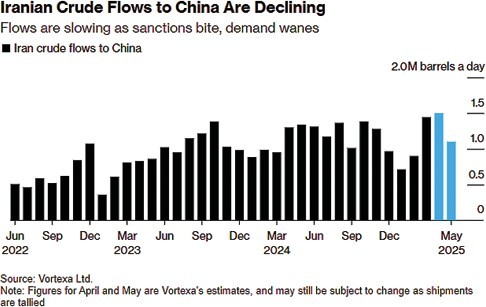
    China Oil Buy Drops, But Remains High

    China Oil Buy Drops, But Remains High

    Gov’t Ends Ban Importing Goods Made In Iran

    Minimum Wage is Boosted 45%

    Banks Must Keep More Money On Hand

    Banks Must Keep More Money On Hand

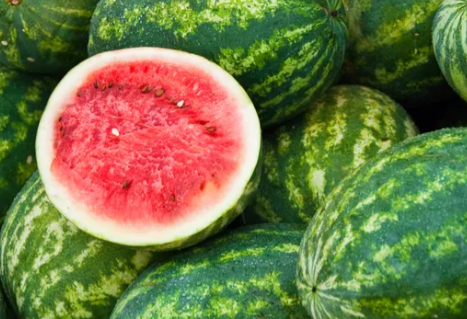
    Russian Says Iran Watermelons Unsafe

    Russian Says Iran Watermelons Unsafe

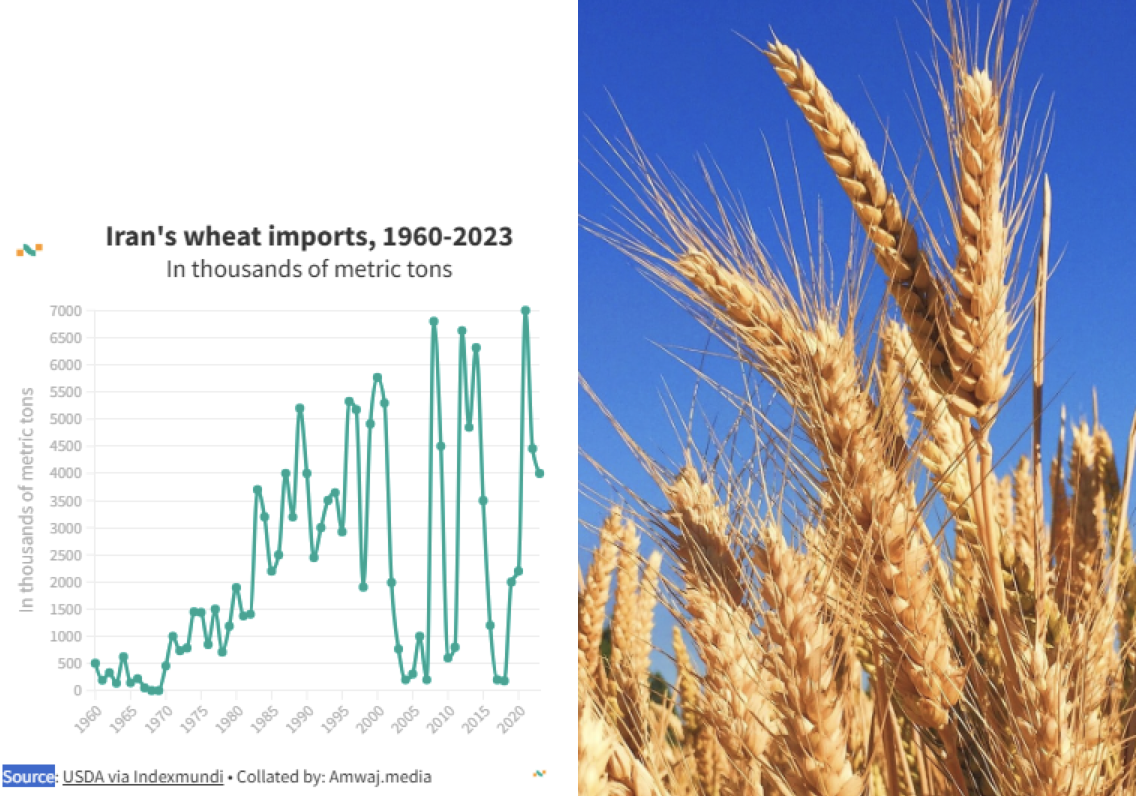
    Iran Not To Be Self-Sufficient In Wheat This Year

    Iran Not To Be Self-Sufficient In Wheat This Year

  • Tidbits and Morsels
  • Latest
    Hell Comes To A Pasdar Base North of Tehran

    Hell Comes To A Pasdar Base North of Tehran

    US Mail To Iran Is Suspended

    President Takes Time Off For Surgery

    President Takes Time Off For Surgery

    After Month Of Talks, Trump Decides He Wants No Enrichment

    The Lights Are Going Out All Over Iran

    Drone Attack That Killed 3 US Troops in Jordan Could Have Been Foiled

    Iranian-Canadians Reportedly Turned Away at US Border

    Iranian-Americans: an Account of Integration and Achievement

    Jamshid Myth

  • About Us
  • Advertising
  • Subscription
No Result
View All Result
  • Home
  • What’s the News
    • All
    • baygani
    Army Says It Makes Some Officers UN Peacekeepers

    Army Says It Makes Some Officers UN Peacekeepers

    Iran May Curry Favor With Egypt By Axing Street Name

    Iran May Curry Favor With Egypt By Axing Street Name

    Regime Barks Loudly At Dog Owners

    Regime Barks Loudly At Dog Owners

    Campaign To Rid Iran of Afghans Moves Into Trumpian High Gear

    Campaign To Rid Iran of Afghans Moves Into Trumpian High Gear

    Russia, China Interfere To Stunt Iran Nuclear Plan

    Russia, China Interfere To Stunt Iran Nuclear Plan

    Regime Hangs Convicted Killer of 7 in 2022 Protests

    Regime Hangs Convicted Killer of 7 in 2022 Protests

    Trump Kicks Trio Off Iran Issues For Being Too Pro-Israel

    Trump Kicks Trio Off Iran Issues For Being Too Pro-Israel

    Omid The Siberian Crane May Have Died

    Omid The Siberian Crane May Have Died

    Israel Built Drones In A Factory Set Near Tehran

    Israel Built Drones In A Factory Set Near Tehran

  • Diaspora
  • Economy
    Economist Says Biggest Problem For Iranian Economy is State Controls

    Economist Says Biggest Problem For Iranian Economy is State Controls

    US Stops Turkmen Gas Crossing Iran For Iraq

    US Stops Turkmen Gas Crossing Iran For Iraq

    For Umpteenth Time, Auto Privatization Again Killed

    For Umpteenth Time, Auto Privatization Again Killed

    China Oil Buy Drops, But Remains High

    China Oil Buy Drops, But Remains High

    Gov’t Ends Ban Importing Goods Made In Iran

    Minimum Wage is Boosted 45%

    Banks Must Keep More Money On Hand

    Banks Must Keep More Money On Hand

    Russian Says Iran Watermelons Unsafe

    Russian Says Iran Watermelons Unsafe

    Iran Not To Be Self-Sufficient In Wheat This Year

    Iran Not To Be Self-Sufficient In Wheat This Year

  • Tidbits and Morsels
  • Latest
    Hell Comes To A Pasdar Base North of Tehran

    Hell Comes To A Pasdar Base North of Tehran

    US Mail To Iran Is Suspended

    President Takes Time Off For Surgery

    President Takes Time Off For Surgery

    After Month Of Talks, Trump Decides He Wants No Enrichment

    The Lights Are Going Out All Over Iran

    Drone Attack That Killed 3 US Troops in Jordan Could Have Been Foiled

    Iranian-Canadians Reportedly Turned Away at US Border

    Iranian-Americans: an Account of Integration and Achievement

    Jamshid Myth

  • About Us
  • Advertising
  • Subscription
No Result
View All Result
Iran Times
No Result
View All Result

America mustn’t be naïve about Iran

October 11-13

By Vali Nasr

The international agreement to destroy Syria’s stockpile of chemical weapons has put diplomacy back at center stage of American foreign policy. But enforcing America’s “red line” in Syria is only a prelude to dealing with the thicker, redder line around Iran’s nuclear program. Last week’s charm offensive by Iran’s new president, Hassan Rouhani, and his seeming show of flexibility augurs well for a diplomatic resolution.

But America would be naïve to assume that Iran is negotiating from a position of weakness. To the contrary, Iran has come out of the Arab Spring better positioned than any of its regional rivals, and the turmoil in Syria, its ally, has paradoxically strengthened it further. Witness Mr. Rouhani’s statements that distinguished Iran from its Arab neighbors and asserted that it was uniquely positioned to broker a resolution.

Over the past five years America has thought that only an Iran weakened by economic sanctions would agree to a nuclear deal. Iran’s economy is indeed in dire straits, which helps explain the decision by its supreme leader, Ayatollah Ali Khamenei, to put forward Mr. Rouhani, a former nuclear negotiator, as his interlocutor with the West.

It’s also true that Iran has been isolated as the sectarian tenor of the civil war in Syria incensed the country’s largely Sunni population against Shiite Iran and its clients: the governments in Syria, Lebanon and Iraq.

Iran’s diplomatic flexibility is serious, but should not be mistaken for willingness to surrender.

Iran does not see itself as vanquished. Its political system is still the most steadfast and resilient in the region. It is reveling in a newfound stability on the back of a surprisingly smooth presidential election. There were no street protests in Tehran this year, like those that paralyzed Tehran in 2009, Cairo in 2011 and Istanbul earlier this year. Indeed, Mr. Rouhani’s government, by freeing political prisoners and potentially relaxing controls on the press and social media, is showing its confidence.

Arab anger notwithstanding, there is agreement across the region that Iranian support for Syria’s president, Bashar al-Assad, has been effective. That consensus buttresses Iran’s claim to regional power and influence. Syria has showed Iran to be the only regional actor capable of successfully running a war in another country — and one with which it does not share a border. Iran has given the Assad regime money and weapons, deployed fighters in Syria and created a regional alliance with the Shiite government in Iraq and its proxy militia Hezbollah in Lebanon to help Mr. Assad. The West thinks of Russia as Mr. Assad’s vital ally, but it is Iran that holds the cards to his survival.

Hope that Turkey and America’s Arab allies would form an alliance that would isolate Iran has not come to pass. Those allies have been divided over what to do with Egypt, and now Syria. Saudi Arabia, Qatar and Turkey are bickering over whom to support in Syria. Saudi support for Egypt’s generals, who ousted the democratically elected Islamist president Mohamed Morsi in July, has alienated Turkey, which supported Mr. Morsi and his Muslim Brotherhood, now outlawed. For decades the Persian Gulf monarchies bought the support of the Muslim Brotherhood. Now the Islamists and the gulf rulers are competing for support of the Sunni Arab world. This gives Iran a strategic opportunity to exploit its role as a regional power broker.

Iran’s main nemesis, however, remains the United States. America’s withdrawals from Iraq and Afghanistan, and its strategic “pivot” toward Asia, have been welcome news in Tehran. American standing in the region has taken a toll with the Obama administration’s decision not to enforce its own red line against Syria’s use of chemical weapons. That created an opening for Iran’s chief ally, Russia, to play a critical role at the United Nations as a diplomatic broker.

Meanwhile, after Mr. Obama’s historic (though brief) phone conversation with Mr. Rouhani, pressure from Israel led Mr. Obama to reiterate, after meeting with Prime Minister Benjamin Netanyahu of Israel, that he would not rule out the use of force to prevent a nuclear-armed Iran. Mr. Netanyahu went before the United Nations to call Mr. Rouhani “a wolf in sheep’s clothing.”

In short, as America approaches talks with Iran over its nuclear program, it must not assume that Iran is ready to surrender. America’s reduced credibility in the Middle East, because of its waffling over Syria, is an equally important dynamic in the equation.

America will be going to the negotiating table without the credible threat of war, facing an Iran basking in newfound domestic stability and benefiting from its pivotal role in Syria. Negotiations between the two, for the first time, cannot be based on threatening Iran into submission, but on persuading it to compromise. That demands of America an approach to match the “heroic flexibility” that Ayatollah Khamenei has called for.

Expect no grand bargain with Iran in the short run, but rather, the lifting of specific sanctions in exchange for concrete steps to slow down Iran’s nuclear program and open it to international scrutiny. That would be an important first step, which could build bilateral trust and give diplomacy the impetus it needs to succeed.


Vali R. Nasr, dean of the Johns Hopkins School of Advanced International Studies, is a contributing opinion writer.
Previous Post

Netanyahu’s shockingly bad Iran speech

Next Post

How Rouhani is playing Obama

Related Posts

Can Israel Destroy Iran’s Nuclear Program?
Commentary

Can Israel Destroy Iran’s Nuclear Program?

The Right Path to Regime Change In Iran
Commentary

The Right Path to Regime Change In Iran

Commentary

Trump has Achance to Strike a Deal with Iran

Next Post

How Rouhani is playing Obama

Trust, but clarify

Leave a Reply Cancel reply

Your email address will not be published. Required fields are marked *

  • About Us
  • Contact Us
  • Advertising
  • Subscription
  • Culture
  • Economy
Call us: +1 (202)-659-9868

© 1970-2025 Iran Times - ‬An‭ ‬Independent‭ ‬Newspaper

Welcome Back!

Login to your account below

Forgotten Password?

Retrieve your password

Please enter your username or email address to reset your password.

Log In
No Result
View All Result
  • Home
  • What’s the News
  • Diaspora
  • Economy
  • Tidbits and Morsels
  • Latest
  • About Us
  • Advertising
  • Subscription

© 1970-2025 Iran Times - ‬An‭ ‬Independent‭ ‬Newspaper

Are you sure want to unlock this post?
Unlock left : 0
Are you sure want to cancel subscription?
Go to mobile version