





June 20, 2025
Iran has hanged a man convicted of killing seven people, including a 10-year old boy, during the 2022 nationwide protests, but human rights groups said he was the victim of a wrongful conviction.
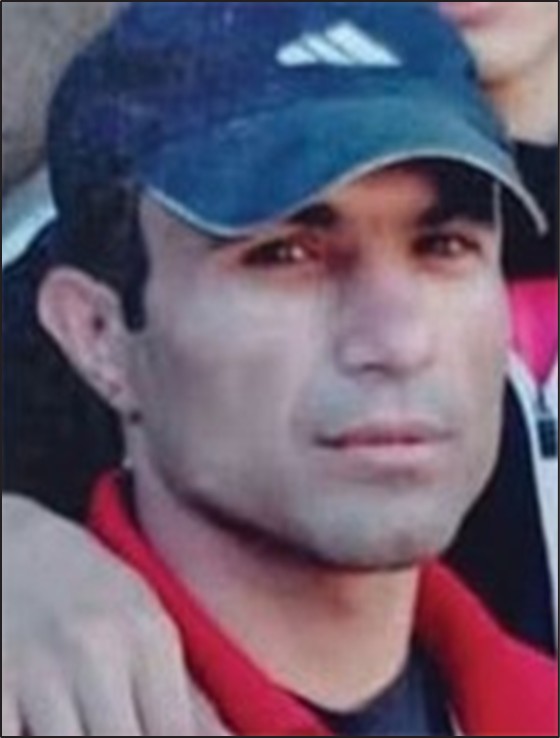
. . . hanged
Abbas Kurkuri, 42, also known as Mojahed Kurkur, was hanged at dawn June 11 in Sheiban prison in Ahvaz, the Iran Human Rights (IHR) and Hengaw groups said.
But human rights groups said his confession, which was broadcast by Iranian state media and re-published by Mizan before his hanging, had been obtained under duress and accused the authorities of framing him to take the blame away from the security forces.
The hanging of Kurkuri marks the first execution in nearly a year for someone arrested in the protests surrounding the death of Mahsa Amini, a Kurdish woman living in Tehran who was arrested for improper adherence to the dress code. It’s unclear why authorities chose to execute Kurkuri now, with tensions already high over frequent electricity outages and a looming water disaster threatening many communities.
IHR director Mahmood Amiry-Moghaddam described the execution as “an extrajudicial killing.”
“The Islamic Republic au thorities attempted to blame him for the murder of 10-year-old Kian Pirfalak by forcing confessions under torture,” he said.
“During his detention, Kurkuri endured severe torture and was denied access to legal counsel,” said Hengaw, adding that Pirfalak’s mother had said repeatedly that the boy was killed by security personnel who fired at their vehicle as they drove passed a security patrol truck.

. . . youngest victim
At Kian’s funeral, the boy’s mother was recorded in a video telling mourners: “Hear it from me myself on how the shooting happened, so they can’t say it was by terrorists, because they’re lying. Plainclothes forces shot my child. That is it,” Zeynab Molaei said. IHR said the execution had taken place on what would have been the boy’s birthday.
Amiry-Moghaddam said the hanging of Kurkuri, a member of Iran’s Bahktiari minority, was the latest in a “tsunami” of executions in Iran, with convicts currently being put to death at a rate of almost four a day.
According to IHR, at least 569 people have been hanged in Iran so far this year.
Iran’s state-run IRNA news agency reported at the time that on November 16, 2022, two gunmen on a motorcycle shot at protesters and security personnel gathered at the central market in Izeh, Khuzestan province.
The assault killed seven people, including Pirfalak, and wounded three police officers and two members of the Basij.
Kurkuri was accused of being one of the gunmen.
He was charged with a spate of offenses, including “moharebeh” or waging war on God. Authorities arrested him in December 2022 after reportedly shooting him in the leg. Activists say he was denied medical treatment beyond the bullet’s removal.
State media described Kurkuri as a drug dealer and “instigator” with a history of extremist beliefs. But rights advocates say he isn’t the violent person authorities have made him out to be and was himself an innocent protester.
Nobel Peace laureate Narges Mohammadi, currently on leave from her own prison sentence, said Kurkuri had been “brutally tortured in solitary confinement [and] falsely accused of Kian’s murder based on fabricated claims by interrogators and the regime’s Judiciary.”
Amnesty International said its investigations had shown “plainclothes security officials used unlawful lethal force during protests in Izeh and fatally fired live ammunition at the child.”
Over 550 people were killed in the crackdown on the protests, according to the IHR’s figures. The authorities emphasize that members of the security forces also lost their lives.
Kurkuri’s hanging brings the tally of executions related to violence at the Amini protests up to 11. The last such execution came 10 months ago, after Reza Resai, 34, was sentenced to death over the killing of a security officer. Rights groups also said his confession was forced.
The United Nations-established Independent International Fact-Finding Mission on the Islamic Republic of Iran said after Kurkuri’s execution that the proceedings against him had been “marred by gross human rights violations.” It called on Iran to halt all executions.
The day before Kurkuri’s execution, Iran’s Judiciary said it had hanged nine individuals convicted of being members of the jihadist Islamic State, although their identities have not been publicly disclosed. It isn’t even known if they were Iranians or foreigners.
Iran described the militants as being detained after they were in a clash in the western region with the Pasdaran, in which three troops and several IS fighters were killed. Authorities said they had seized a cache of combat weapons, including a machine gun and 50 grenades, after surrounding the militants’ hideout and arresting 16 IS terrorists. While reporting nine executed in June, Iran has not said what has happened to the other seven.
The group previously claimed June 2017 attacks in Tehran on the Majlis and the mausoleum of Ayatollah Ruhollah Khomeini that killed at least 18 people and wounded more than 50.