







• About Us
  • Subscription
  • Contact Us
Tuesday, March 10, 2026
  • Login
Iran Times
  • Home
  • What’s the News
    • All
    • baygani
    Army Says It Makes Some Officers UN Peacekeepers

    Army Says It Makes Some Officers UN Peacekeepers

    Iran May Curry Favor With Egypt By Axing Street Name

    Iran May Curry Favor With Egypt By Axing Street Name

    Regime Barks Loudly At Dog Owners

    Regime Barks Loudly At Dog Owners

    Campaign To Rid Iran of Afghans Moves Into Trumpian High Gear

    Campaign To Rid Iran of Afghans Moves Into Trumpian High Gear

    Russia, China Interfere To Stunt Iran Nuclear Plan

    Russia, China Interfere To Stunt Iran Nuclear Plan

    Regime Hangs Convicted Killer of 7 in 2022 Protests

    Regime Hangs Convicted Killer of 7 in 2022 Protests

    Trump Kicks Trio Off Iran Issues For Being Too Pro-Israel

    Trump Kicks Trio Off Iran Issues For Being Too Pro-Israel

    Omid The Siberian Crane May Have Died

    Omid The Siberian Crane May Have Died

    Israel Built Drones In A Factory Set Near Tehran

    Israel Built Drones In A Factory Set Near Tehran

  • Diaspora
  • Economy
    Economist Says Biggest Problem For Iranian Economy is State Controls

    Economist Says Biggest Problem For Iranian Economy is State Controls

    US Stops Turkmen Gas Crossing Iran For Iraq

    US Stops Turkmen Gas Crossing Iran For Iraq

    For Umpteenth Time, Auto Privatization Again Killed

    For Umpteenth Time, Auto Privatization Again Killed

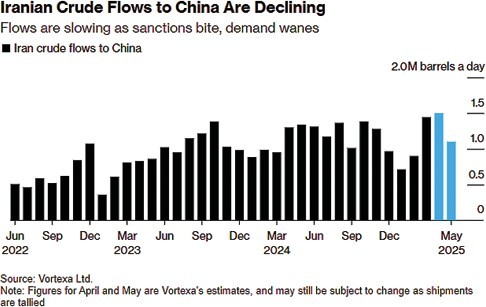
    China Oil Buy Drops, But Remains High

    China Oil Buy Drops, But Remains High

    Gov’t Ends Ban Importing Goods Made In Iran

    Minimum Wage is Boosted 45%

    Banks Must Keep More Money On Hand

    Banks Must Keep More Money On Hand

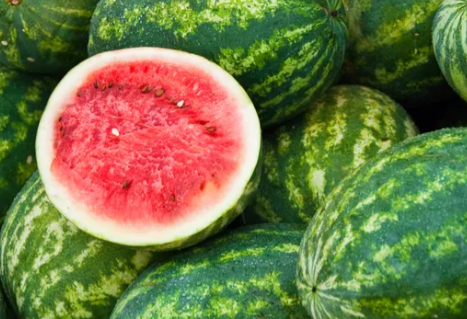
    Russian Says Iran Watermelons Unsafe

    Russian Says Iran Watermelons Unsafe

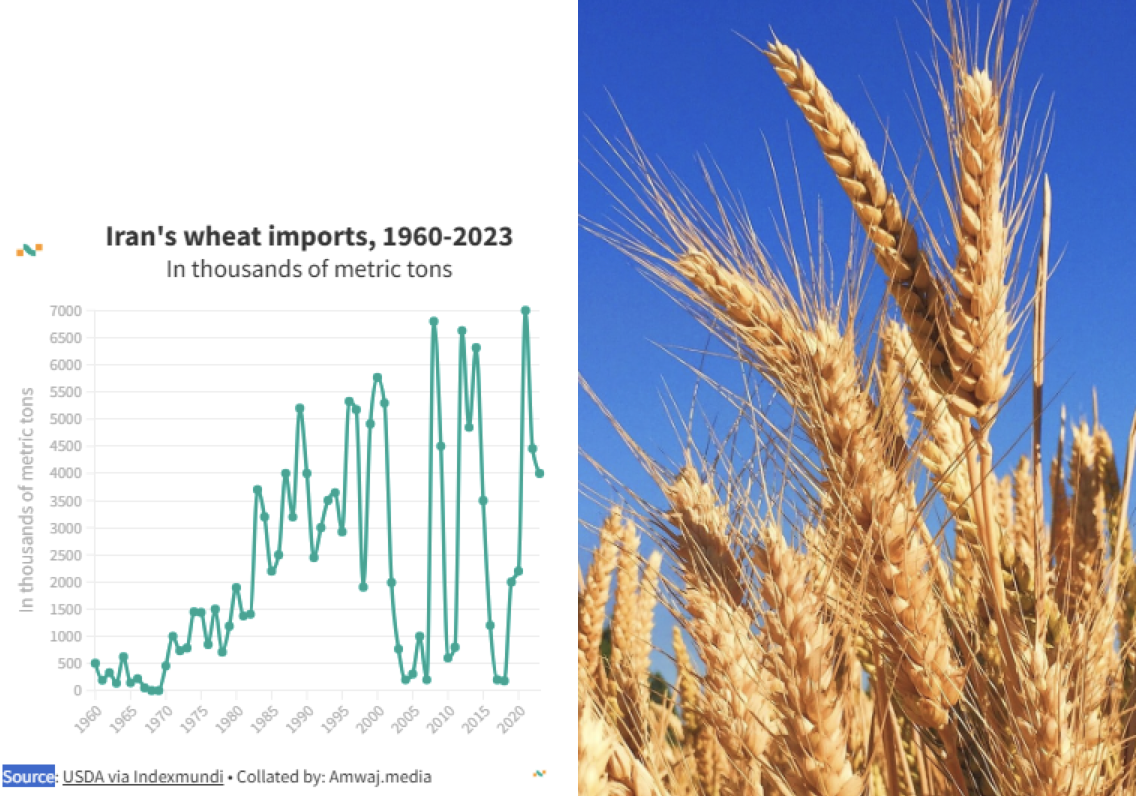
    Iran Not To Be Self-Sufficient In Wheat This Year

    Iran Not To Be Self-Sufficient In Wheat This Year

  • Tidbits and Morsels
  • Latest
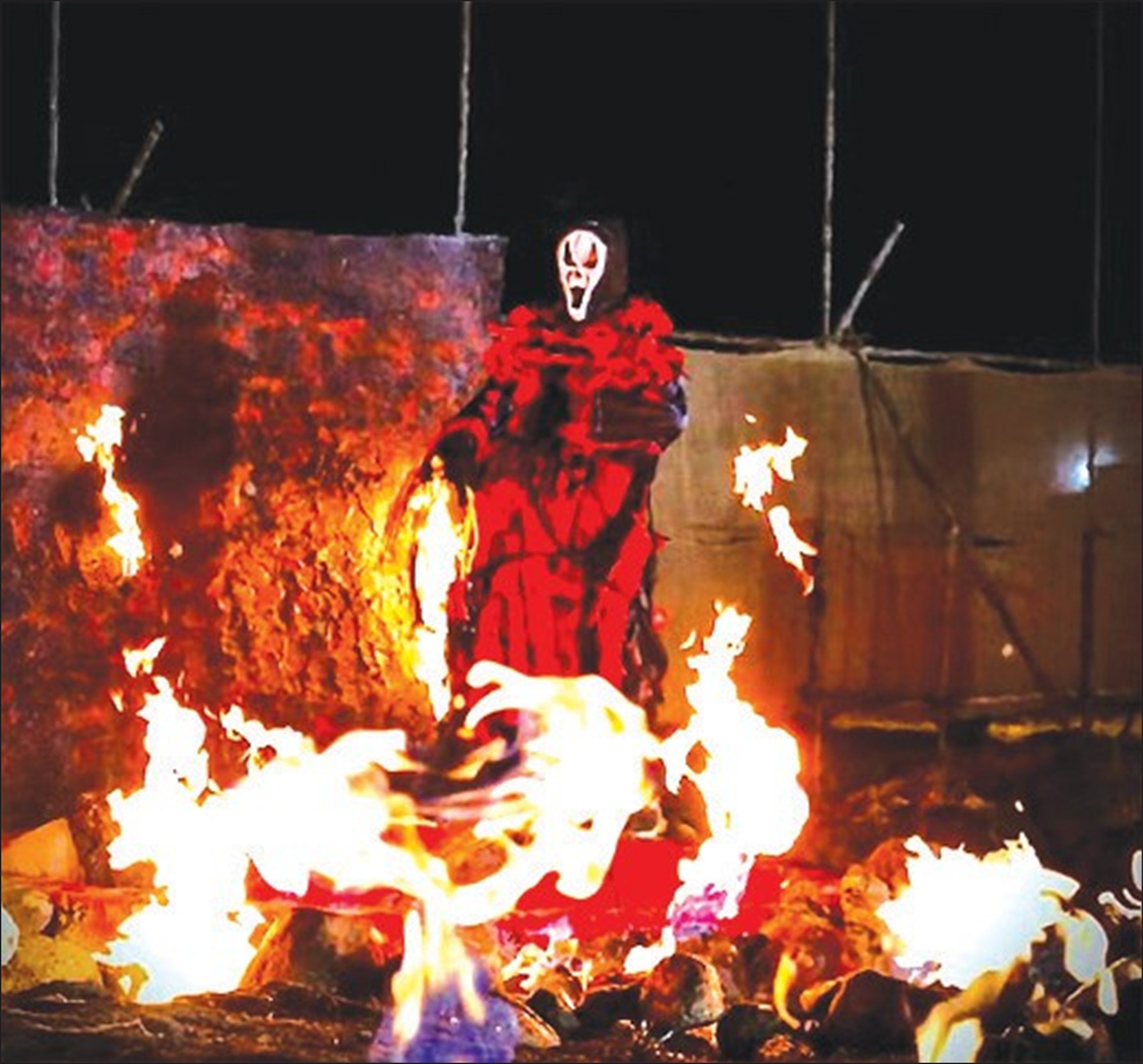
    Hell Comes To A Pasdar Base North of Tehran

    Hell Comes To A Pasdar Base North of Tehran

    US Mail To Iran Is Suspended

    President Takes Time Off For Surgery

    President Takes Time Off For Surgery

    After Month Of Talks, Trump Decides He Wants No Enrichment

    The Lights Are Going Out All Over Iran

    Drone Attack That Killed 3 US Troops in Jordan Could Have Been Foiled

    Iranian-Canadians Reportedly Turned Away at US Border

    Iranian-Americans: an Account of Integration and Achievement

    Jamshid Myth

  • About Us
  • Advertising
  • Subscription
No Result
View All Result
  • Home
  • What’s the News
    • All
    • baygani
    Army Says It Makes Some Officers UN Peacekeepers

    Army Says It Makes Some Officers UN Peacekeepers

    Iran May Curry Favor With Egypt By Axing Street Name

    Iran May Curry Favor With Egypt By Axing Street Name

    Regime Barks Loudly At Dog Owners

    Regime Barks Loudly At Dog Owners

    Campaign To Rid Iran of Afghans Moves Into Trumpian High Gear

    Campaign To Rid Iran of Afghans Moves Into Trumpian High Gear

    Russia, China Interfere To Stunt Iran Nuclear Plan

    Russia, China Interfere To Stunt Iran Nuclear Plan

    Regime Hangs Convicted Killer of 7 in 2022 Protests

    Regime Hangs Convicted Killer of 7 in 2022 Protests

    Trump Kicks Trio Off Iran Issues For Being Too Pro-Israel

    Trump Kicks Trio Off Iran Issues For Being Too Pro-Israel

    Omid The Siberian Crane May Have Died

    Omid The Siberian Crane May Have Died

    Israel Built Drones In A Factory Set Near Tehran

    Israel Built Drones In A Factory Set Near Tehran

  • Diaspora
  • Economy
    Economist Says Biggest Problem For Iranian Economy is State Controls

    Economist Says Biggest Problem For Iranian Economy is State Controls

    US Stops Turkmen Gas Crossing Iran For Iraq

    US Stops Turkmen Gas Crossing Iran For Iraq

    For Umpteenth Time, Auto Privatization Again Killed

    For Umpteenth Time, Auto Privatization Again Killed

    China Oil Buy Drops, But Remains High

    China Oil Buy Drops, But Remains High

    Gov’t Ends Ban Importing Goods Made In Iran

    Minimum Wage is Boosted 45%

    Banks Must Keep More Money On Hand

    Banks Must Keep More Money On Hand

    Russian Says Iran Watermelons Unsafe

    Russian Says Iran Watermelons Unsafe

    Iran Not To Be Self-Sufficient In Wheat This Year

    Iran Not To Be Self-Sufficient In Wheat This Year

  • Tidbits and Morsels
  • Latest
    Hell Comes To A Pasdar Base North of Tehran

    Hell Comes To A Pasdar Base North of Tehran

    US Mail To Iran Is Suspended

    President Takes Time Off For Surgery

    President Takes Time Off For Surgery

    After Month Of Talks, Trump Decides He Wants No Enrichment

    The Lights Are Going Out All Over Iran

    Drone Attack That Killed 3 US Troops in Jordan Could Have Been Foiled

    Iranian-Canadians Reportedly Turned Away at US Border

    Iranian-Americans: an Account of Integration and Achievement

    Jamshid Myth

  • About Us
  • Advertising
  • Subscription
No Result
View All Result
Iran Times
No Result
View All Result

The Iran deal’s dangerous precedent

By John R. Bolton

Had anyone believed President Obama’s mantra that “all options are on the table” to deal with Iran’s nuclear weapons program, the Vienna agreement might have emerged less advantageously for Tehran. But no one took Mr. Obama’s threat of military force seriously — a credibility gap that Israel still fears and Iran still exploits. Even so, Vice President Joseph R. Biden Jr. is still trying to reassure nervous Democrats in Congress that the Vienna agreement does not preclude America’s use of force.

Despite its blasé confidence in the agreement, however, the Obama administration understands the near-certainty that Iran will break its word. Tehran’s potential violations were not merely one of many difficult issues for negotiators; they were the essence of the talks. The deal’s entire structure turns on the issue of how to detect and handle breaches.

If Iran is caught transgressing, Mr. Obama’s plan is not to use force, but to apply “snapback sanctions.” His administration has argued repeatedly that such sanctions (or even new sanctions) will deter or punish violations, keeping the deal on track and Iran clear of nuclear weapons. This rationale conforms to the underlying logic for the talks themselves: If sanctions brought Iran to the table, then sanctions will keep the deal viable once implementation begins.

Unfortunately, the mechanism to address violations is as flawed as the deal’s underlying logic. For the president’s predictions of Iranian behavior to come true (and they are central to successful implementation), Tehran must recognize the inevitability of the pain their country will suffer for straying from compliance.

Yet the very language of the Vienna deal demonstrates the opposite. In two provisions (Paragraphs 26 and 37), Iran rejects the legitimacy of sanctions coming back into force. These passages expressly provide, in near identical words, that “Iran has stated that if sanctions are reinstated in whole or in part, Iran will treat that as grounds to cease performing its commitments under this JCPOA” — Joint Comprehensive Plan of Action — “in whole or in part.”

Thus the inexorable pattern will not be: Iran violates the deal; sanctions snap back; Iran resumes compliance. Quite the reverse. The far more likely future is: Iran violates the deal; sanctions snap back; Iran tells us, using a diplomatic term of art, to take our deal and stuff it.

Abrogating the deal, of course, would come only after Iran had reaped the economic benefits of having its assets unfrozen and the sanctions ended. The Europeans (among others) will have been suckered back into economic relationships that will cause as much pain to them as to Iran if they are abandoned. Sadly, the ayatollahs know the Europeans better than Mr. Obama does.

Even under ideal circumstances, the Vienna deal’s arduous “dispute resolution mechanism” provides so many opportunities for Tehran to obfuscate that “snapback” will soon become a slogan of derision. Alleged violations are referred first to a “joint commission,” which may refer the matter to their foreign ministers. In addition, the parties may ask an outside “advisory board” to consider the issue. The board’s nonbinding ruling goes back to the commission for consideration.

Although each stage has prescribed time limits, these can be “extended by consensus” — a United Nations-style formula for endless palavering before, finally, an aggrieved party convokes the Security Council to vote on snapping back the sanctions. But it’s hard to “snap back” when you’re trapped in a diplomatic La Brea Tar Pit. As with the deal’s dispute process, the snapback mechanism will not so much resolve disagreements as prolong them indefinitely.

Finally, Mr. Obama’s plan to prevent Russia or China from casting vetoes that block snapback poses hidden dangers for America. Under the deal and Security Council Resolution 2231, if a JCPOA party asserts that a significant violation has occurred, then the council must vote within 30 days on whether “to continue the sanctions lifting.” Thus, in theory, if Washington alleged a breach, Moscow and Beijing would have the burden of keeping the sanctions lifted, rather than Washington having the burden of reinstituting them. Absent a resolution “to continue the sanctions lifting,” sanctions snap back.

By concocting a procedure that elides the Russian or Chinese vetoes, Mr. Obama has surreptitiously accomplished a prized objective of the international left, which always disapproved on principle of the veto power. Through 70 years of United Nations history, one lodestar emerges clearly: Washington’s only immutable protection has been its Security Council veto. Mr. Obama’s end-run around the veto poses long-term risks that far outweigh whatever short-term gain is to be had from boxing in Russia and China now.

Dean Acheson, Truman’s secretary of state, made a comparable mistake in his “Uniting for Peace” strategy, trying to overcome Soviet vetoes during the Korean War by empowering the General Assembly. Acheson rejected British fears that the tactic might backfire; as he later wrote, “present difficulties outweighed possible future ones, and we pressed on.” We should not repeat the error.

Luckily, over the years, the lack of decisiveness in a General Assembly that has grown to nearly four times its original size has saved us from ourselves. But Mr. Obama’s device creates a harmful precedent that could be used to defeat the veto power of all five permanent members of the council, and especially the United States.

Unfortunately, snapback sanctions are just as likely to be empty political rhetoric as Mr. Obama’s incantations about all options being on the table. The list of reasons to oppose the Vienna deal is already long, but the pitfalls of snapback sanctions surely rank near the top.


John R. Bolton, a scholar at the American Enterprise Institute, was the United States ambassador to the United Nations from August 2005 to December 2006.
Previous Post

World Bank says foreign investment will rise—but not by nearly enough

Next Post

The Iran deal is a big bet on a revolutionary outlier

Related Posts

Can Israel Destroy Iran’s Nuclear Program?
Commentary

Can Israel Destroy Iran’s Nuclear Program?

The Right Path to Regime Change In Iran
Commentary

The Right Path to Regime Change In Iran

Commentary

Trump has Achance to Strike a Deal with Iran

Next Post

The Iran deal is a big bet on a revolutionary outlier

In Washington and Tehran, debate and distrust over nuclear deal

Leave a Reply Cancel reply

Your email address will not be published. Required fields are marked *

  • About Us
  • Contact Us
  • Advertising
  • Subscription
  • Culture
  • Economy
Call us: +1 (202)-659-9868

© 1970-2025 Iran Times - ‬An‭ ‬Independent‭ ‬Newspaper

Welcome Back!

Login to your account below

Forgotten Password?

Retrieve your password

Please enter your username or email address to reset your password.

Log In
No Result
View All Result
  • Home
  • What’s the News
  • Diaspora
  • Economy
  • Tidbits and Morsels
  • Latest
  • About Us
  • Advertising
  • Subscription

© 1970-2025 Iran Times - ‬An‭ ‬Independent‭ ‬Newspaper

Are you sure want to unlock this post?
Unlock left : 0
Are you sure want to cancel subscription?
Go to mobile version