








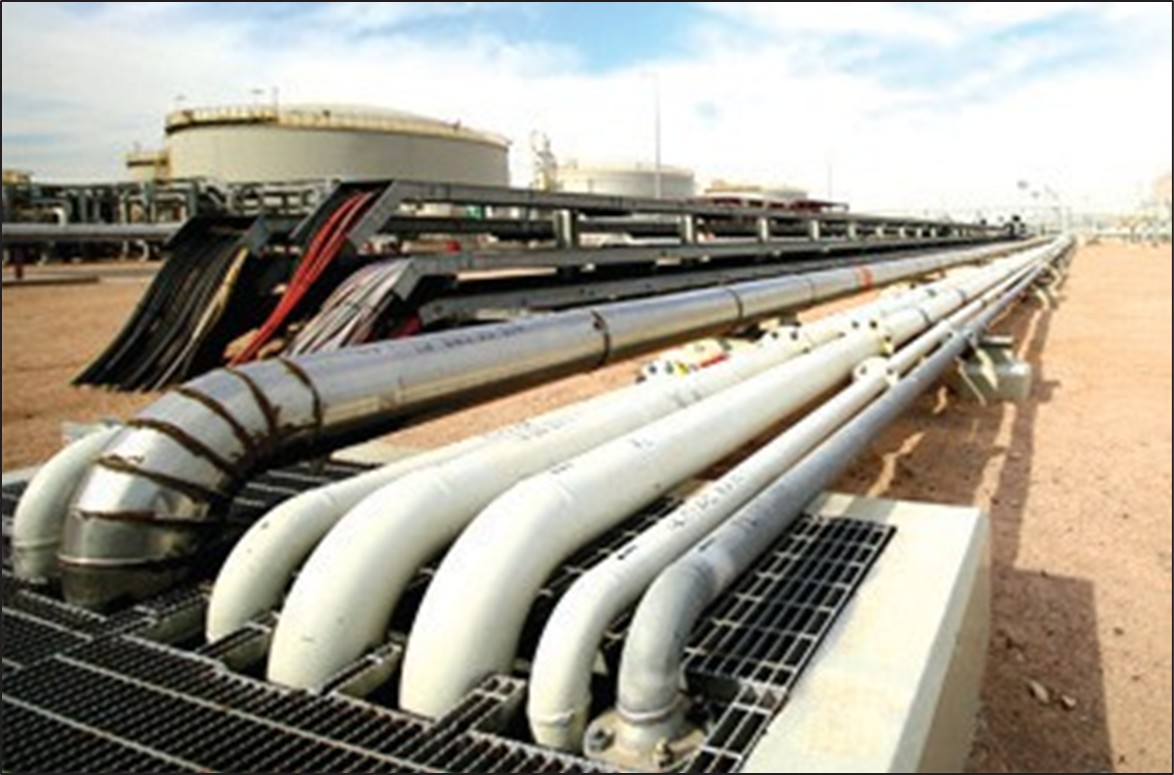



Oil Minister Rostam Qasemi told a conference in Iran that Iran now has hydrocarbon reserves totaling 154.8 billion barrels, up from 151 billion last year, making it first in the world, the Oil Ministry’s Shana news service reported.
Iran claimed less than 100 billion barrels a decade ago. Then it began announcing remarkably large increases. At one point, Iraq claimed a huge increase in reserves, bypassing Iran. Only weeks later, Iran claimed to have bypassed Iraq again.
But Qasemi’s claim of the “largest” oil reserves falls short of the Saudi claim of 267 billion barrels in reserves. Furthermore, Venezuela claimed some months ago that its oil reserves had risen from 100 billion barrels to 297 billion, a figure widely dismissed.
Historically, oil reserves have played a role when OPEC has redistributed its member quotas. It has been years, however, since OPEC has redistributed quotas. Iraq is now talking about re-joining the OPEC quota system, which it left in the 1990s. That will make a redistribution necessary. And that makes oil reserves important.
It remains to be seen if the other members of the Organization of Petroleum Exporting Countries will accept the Islamic Republic’s oil reserve figures.
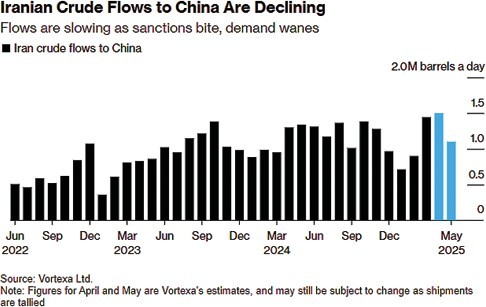
While Iran’s oil reserve claims are rising, its actual output has declined about 5 percent over the last two years, according to monthly production estimates generated by Platts, an oil industry newsletter. That decline reflects an inability to bring in enough new oil production to replace the production from aging oilfields that is declining naturally.
