

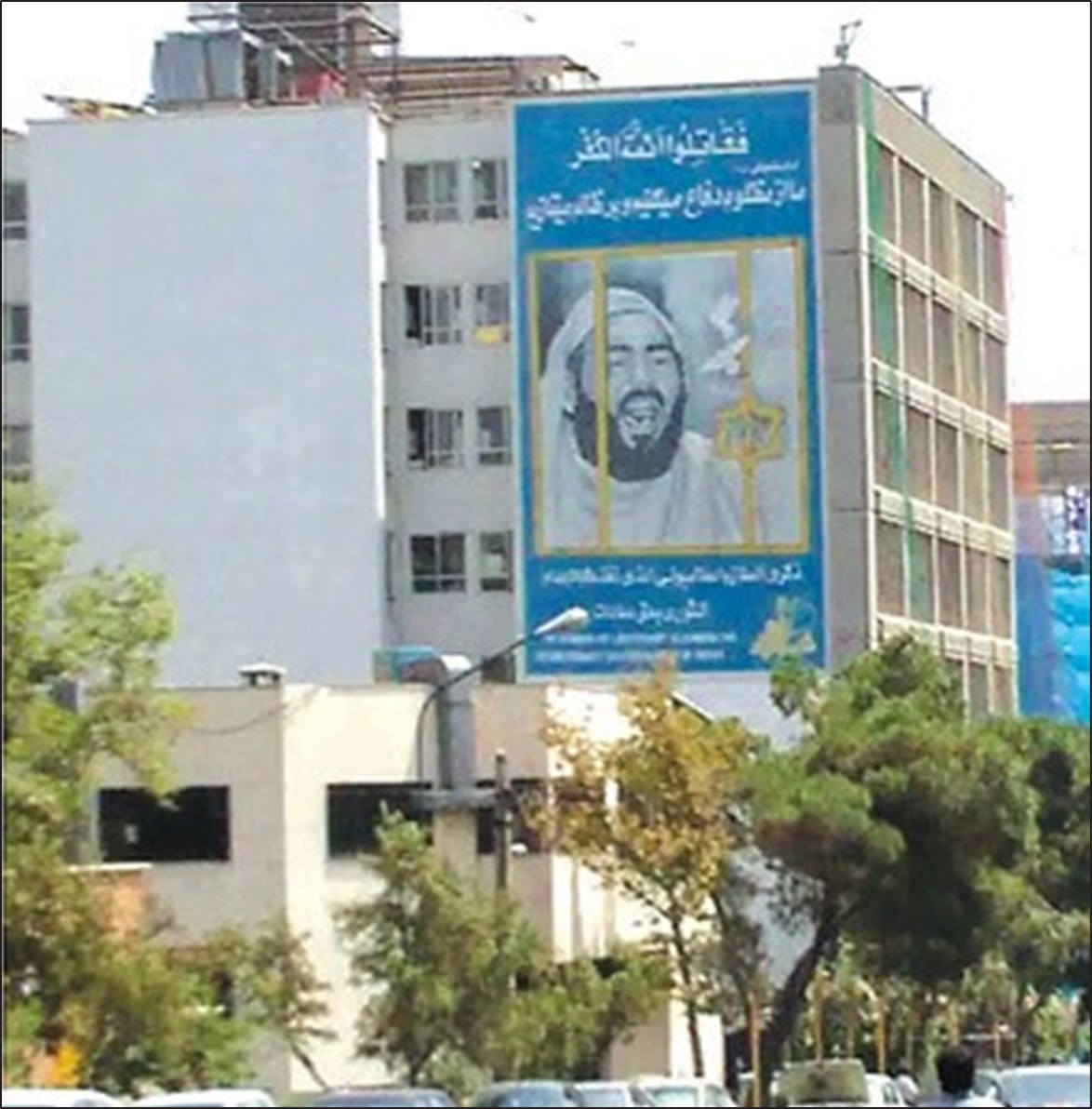











The initial protests last month have been followed by more protests, probably sparked in part by the severe police response.
The protests were called initially in reaction to the Majlis decision not to approve a bill to divert water from rivers into Lake Urumiyeh. The protesters complained that the Majlis deputies from other areas of Iran didn’t care that the lake is rapidly drying and may cease to exist in a few years. (See last week’s Iran Times, page one.)
But deputies hastened to explain that they had not defeated he legislation. They had simply declined to adopt a “double urgency” proposal that would have moved the bill to the front of the legislative queue. The bill, they said, is still in the legislative queue and will be taken up later. Several deputies also said the river diversion plan was not necessarily well thought out and needed a deeper review.
But the Ahmadi-nejad Administration moved Tuesday to squelch the problems boiling over in the northwest. It simply said it would take the very actions the bill proposed.
First Vice President Mohammad-Reza Rahimi said the government would devote almost a billion dollars to diverting water from the River Aras, which forms the border with the Republic of Azerbaijan, as well as other rivers, to feed Lake Urumiyeh and raise the water level there.
The government said it had decided to devote 9.5 trillion rials ($905 million) to the project. No one said how the government could spend that huge a sum without any authority from the Majlis. But the Ahmadi-nejad Administration has been quite liberal in interpreting its powers.
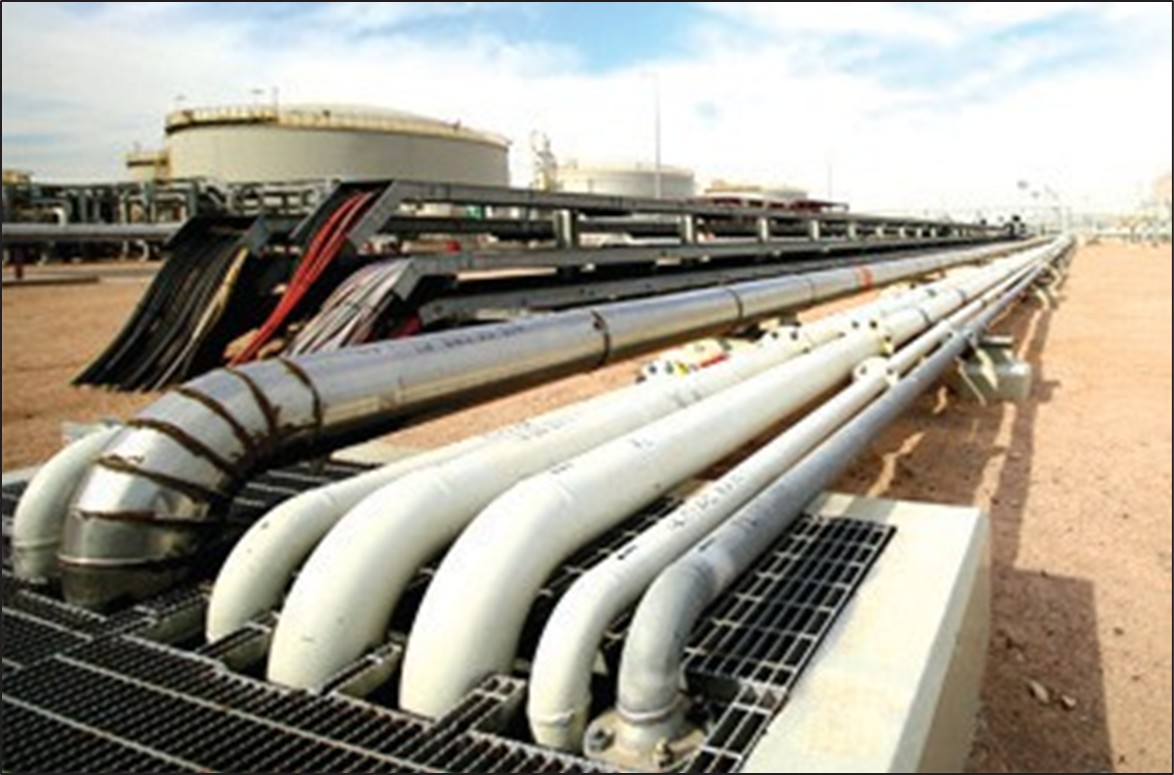
Rahimi said the government planned to pump its share of the water in the Aras to Lake Urumiyeh in the six months of spring and summer next year. That would mean channeling the water over 70 kilometers (45 miles). He didn’t say how a channel of that size and the required pumping stations to move the water uphill could be ready in another six months.
But Deputy Kazem Farahmand said such “hasty” decisions threatened to make matters worse. “Moving to salvage Lake Urumiyeh before first identifying the causes of its drying out is impossible. Any hasty decision will only lead to further environmental costs,” he said.
There were questions about the impact of diverting vast volumes of water from the Aras and how that would impact farmers downstream and the environment of the Aras basin itself.
Meanwhile, there were conflicting reports on how many people had been arrested and injured in the ongoing protests, which have been held mainly in the cities of Tabriz and Urumiyeh, but in other communities as well.
The main evidence of the disorders has been seen in videos posted on YouTube. They show large but not vast crowds in the streets chanting. In one video, police on motorcycles speed down a Tabriz street trying to drive protesters back. One youth jumps into street and grabs a police officer, pulling him and his motorcycle down to the pavement. The officer gets up and draws his pistol. He points it at protesters coming into the street but does not appear to fire his weapon. He walks backward to the protection of a police line. Then protesters come into the street to help the man who toppled the officer. That man appears to have been injured when the motorcycle toppled on top of him.