










Egypt’s oil ministry, however, had no immediate comments and referred all questions about the report back to Iran.
The Islamic Republic has announced on several occasions in the past that it is in talks with new customers to sell its oil, but there remains little evidence of any significant boost in volumes of sales after each announcement.
Squeezed by economic sanctions from the United States and the European Union, Iran has been looking for new clients.
While Egypt’s relations with Iran have been cold since 1979, President Morsi’s visit last August to Tehran to attend the Non-Aligned Movement summit was considered a sign of warming relations. Morsi became the first Egyptian leader to visit Iran in the last three decades.
State-owned Al-Ahram newspaper quoted Petroleum Minister Osama Kamal as having “no objections” to buying oil from Iran, a stance apparently in defiance of the United Sates, which is trying to scuttle Iran’s oil sales.
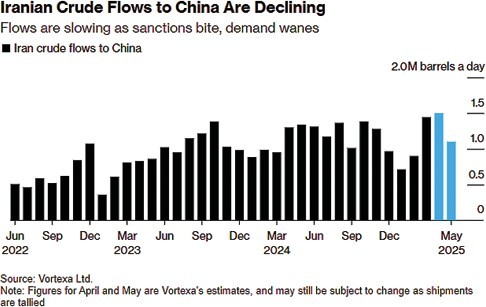
The EU’s total ban on Iran’s oil sales and some of the toughest American sanctions ever have significantly reduced Iranian oil exports, but energy-hungry countries are still buying from the Islamic Republic.
India, Japan and China have been at the forefront of its customers. Japan is so eager that it is offering multibillion-dollar insurance to oil tankers that transport Iranian oil after Western sanctions have eliminated commercial tanker insurance as an option. To supply oil to its number one customer, China, Iran is offering its own state-backed tanker insurance.
The US has found it hard to impose a total ban on Iranian oil exports because some of its biggest allies and trade partners rely on oil from the Islamic Republic. The US has granted six-month sanctions waivers to countries such as Korea, Japan, India, China and 16 other nations. These countries can now buy smaller amounts of oil than before and must to do so with some limitations.
Despite the sanctions’ overall effectiveness, Iran’s global share of crude oil production has come down only two notches – from second to fourth.
“We have oil and the world needs it,” explained President Ahmadi-nejad matter-of-factly on state television.
But while oil exports continue, the cash flow has been severely affected. Iran has been shut out of Swift, the international money transfer network, making it next to impossible to receive money from external entities. India, for example, is paying Iran in rice, medical goods and steel in exchange for oil; Turkey is paying with gold.
The shortage of cash has affected Iran’s foreign reserves and its currency has devalued to historic lows.