





• About Us
  • Subscription
  • Contact Us
Sunday, March 8, 2026
  • Login
Iran Times
  • Home
  • What’s the News
    • All
    • baygani
    Army Says It Makes Some Officers UN Peacekeepers

    Army Says It Makes Some Officers UN Peacekeepers

    Iran May Curry Favor With Egypt By Axing Street Name

    Iran May Curry Favor With Egypt By Axing Street Name

    Regime Barks Loudly At Dog Owners

    Regime Barks Loudly At Dog Owners

    Campaign To Rid Iran of Afghans Moves Into Trumpian High Gear

    Campaign To Rid Iran of Afghans Moves Into Trumpian High Gear

    Russia, China Interfere To Stunt Iran Nuclear Plan

    Russia, China Interfere To Stunt Iran Nuclear Plan

    Regime Hangs Convicted Killer of 7 in 2022 Protests

    Regime Hangs Convicted Killer of 7 in 2022 Protests

    Trump Kicks Trio Off Iran Issues For Being Too Pro-Israel

    Trump Kicks Trio Off Iran Issues For Being Too Pro-Israel

    Omid The Siberian Crane May Have Died

    Omid The Siberian Crane May Have Died

    Israel Built Drones In A Factory Set Near Tehran

    Israel Built Drones In A Factory Set Near Tehran

  • Diaspora
  • Economy
    Economist Says Biggest Problem For Iranian Economy is State Controls

    Economist Says Biggest Problem For Iranian Economy is State Controls

    US Stops Turkmen Gas Crossing Iran For Iraq

    US Stops Turkmen Gas Crossing Iran For Iraq

    For Umpteenth Time, Auto Privatization Again Killed

    For Umpteenth Time, Auto Privatization Again Killed

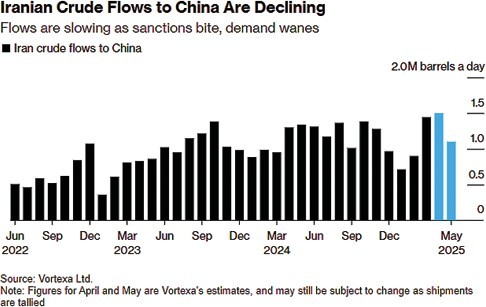
    China Oil Buy Drops, But Remains High

    China Oil Buy Drops, But Remains High

    Gov’t Ends Ban Importing Goods Made In Iran

    Minimum Wage is Boosted 45%

    Banks Must Keep More Money On Hand

    Banks Must Keep More Money On Hand

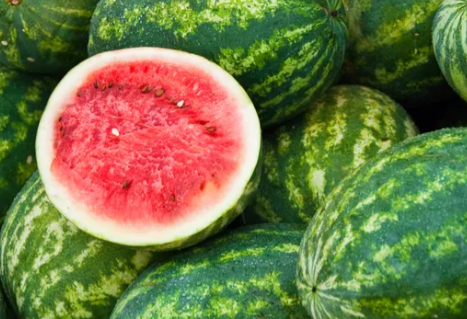
    Russian Says Iran Watermelons Unsafe

    Russian Says Iran Watermelons Unsafe

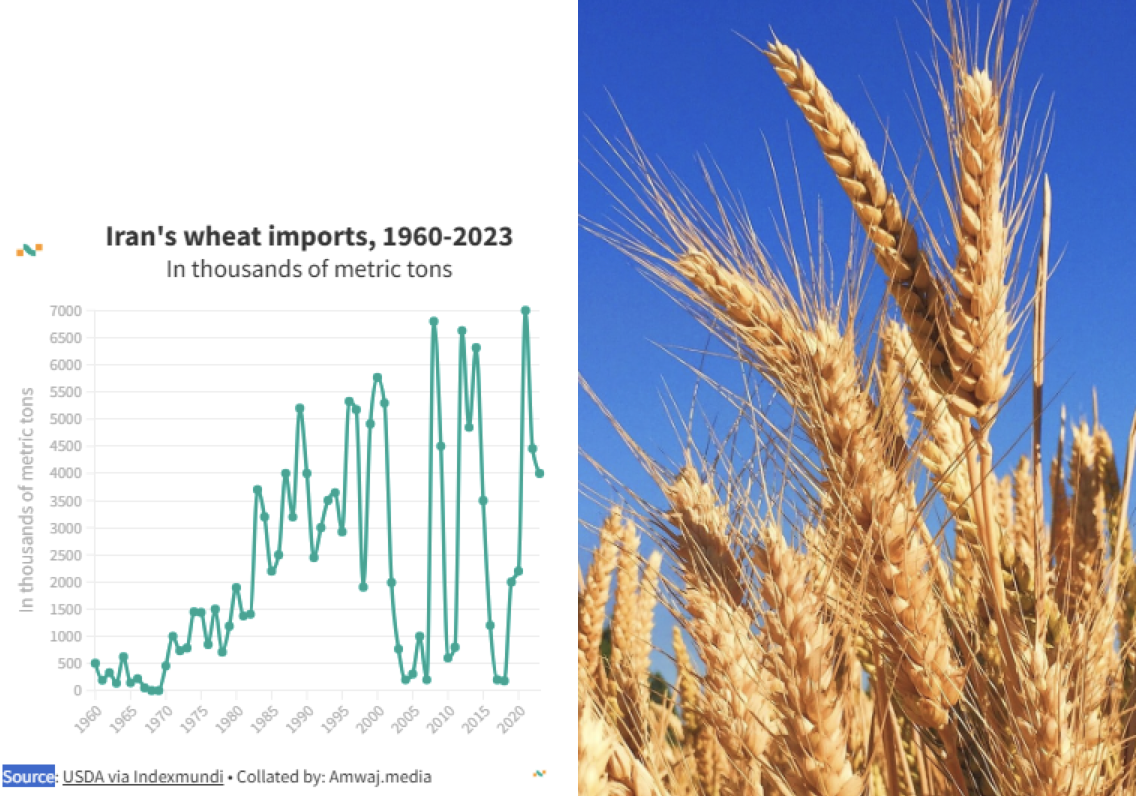
    Iran Not To Be Self-Sufficient In Wheat This Year

    Iran Not To Be Self-Sufficient In Wheat This Year

  • Tidbits and Morsels
  • Latest
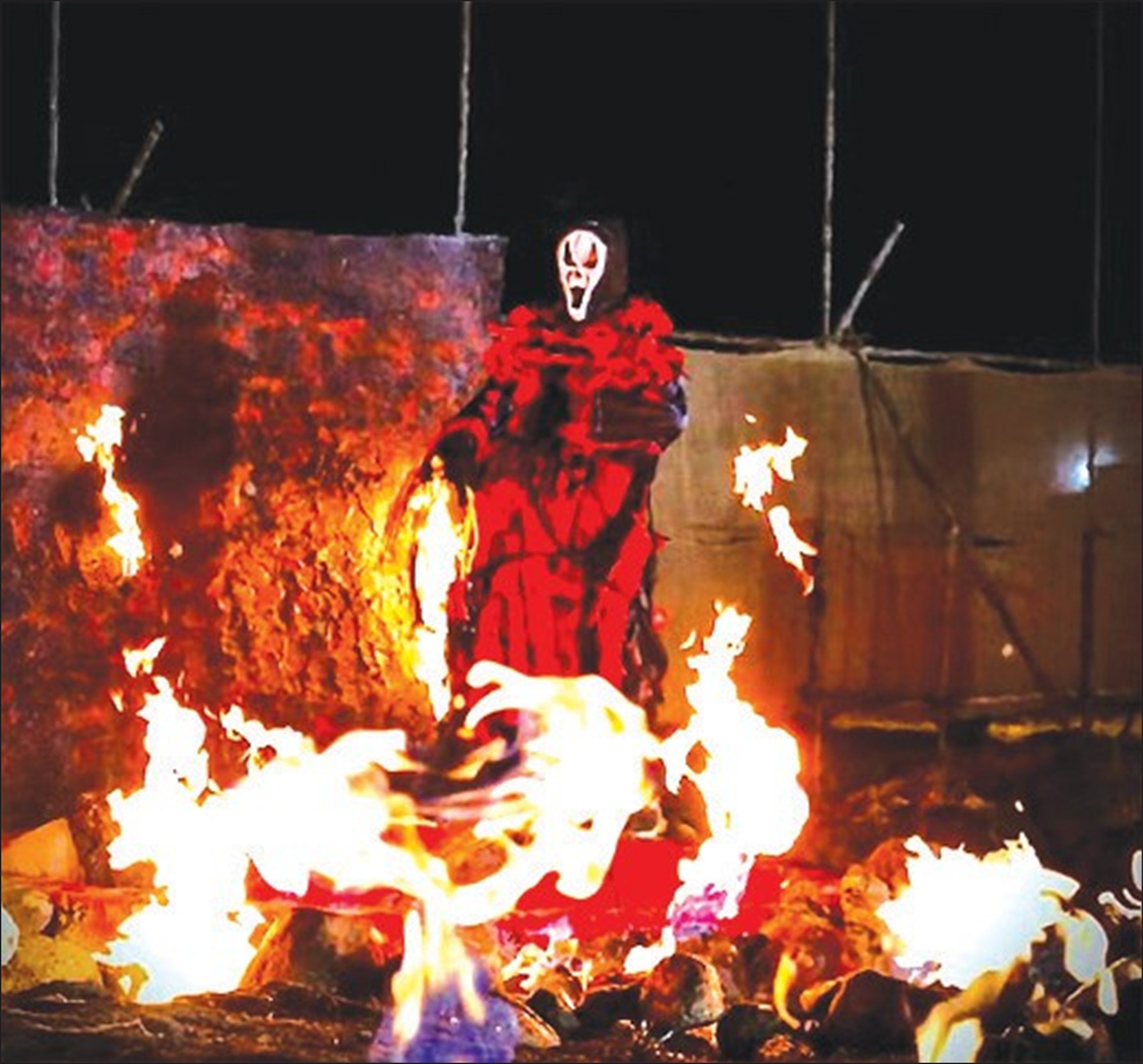
    Hell Comes To A Pasdar Base North of Tehran

    Hell Comes To A Pasdar Base North of Tehran

    US Mail To Iran Is Suspended

    President Takes Time Off For Surgery

    President Takes Time Off For Surgery

    After Month Of Talks, Trump Decides He Wants No Enrichment

    The Lights Are Going Out All Over Iran

    Drone Attack That Killed 3 US Troops in Jordan Could Have Been Foiled

    Iranian-Canadians Reportedly Turned Away at US Border

    Iranian-Americans: an Account of Integration and Achievement

    Jamshid Myth

  • About Us
  • Advertising
  • Subscription
No Result
View All Result
  • Home
  • What’s the News
    • All
    • baygani
    Army Says It Makes Some Officers UN Peacekeepers

    Army Says It Makes Some Officers UN Peacekeepers

    Iran May Curry Favor With Egypt By Axing Street Name

    Iran May Curry Favor With Egypt By Axing Street Name

    Regime Barks Loudly At Dog Owners

    Regime Barks Loudly At Dog Owners

    Campaign To Rid Iran of Afghans Moves Into Trumpian High Gear

    Campaign To Rid Iran of Afghans Moves Into Trumpian High Gear

    Russia, China Interfere To Stunt Iran Nuclear Plan

    Russia, China Interfere To Stunt Iran Nuclear Plan

    Regime Hangs Convicted Killer of 7 in 2022 Protests

    Regime Hangs Convicted Killer of 7 in 2022 Protests

    Trump Kicks Trio Off Iran Issues For Being Too Pro-Israel

    Trump Kicks Trio Off Iran Issues For Being Too Pro-Israel

    Omid The Siberian Crane May Have Died

    Omid The Siberian Crane May Have Died

    Israel Built Drones In A Factory Set Near Tehran

    Israel Built Drones In A Factory Set Near Tehran

  • Diaspora
  • Economy
    Economist Says Biggest Problem For Iranian Economy is State Controls

    Economist Says Biggest Problem For Iranian Economy is State Controls

    US Stops Turkmen Gas Crossing Iran For Iraq

    US Stops Turkmen Gas Crossing Iran For Iraq

    For Umpteenth Time, Auto Privatization Again Killed

    For Umpteenth Time, Auto Privatization Again Killed

    China Oil Buy Drops, But Remains High

    China Oil Buy Drops, But Remains High

    Gov’t Ends Ban Importing Goods Made In Iran

    Minimum Wage is Boosted 45%

    Banks Must Keep More Money On Hand

    Banks Must Keep More Money On Hand

    Russian Says Iran Watermelons Unsafe

    Russian Says Iran Watermelons Unsafe

    Iran Not To Be Self-Sufficient In Wheat This Year

    Iran Not To Be Self-Sufficient In Wheat This Year

  • Tidbits and Morsels
  • Latest
    Hell Comes To A Pasdar Base North of Tehran

    Hell Comes To A Pasdar Base North of Tehran

    US Mail To Iran Is Suspended

    President Takes Time Off For Surgery

    President Takes Time Off For Surgery

    After Month Of Talks, Trump Decides He Wants No Enrichment

    The Lights Are Going Out All Over Iran

    Drone Attack That Killed 3 US Troops in Jordan Could Have Been Foiled

    Iranian-Canadians Reportedly Turned Away at US Border

    Iranian-Americans: an Account of Integration and Achievement

    Jamshid Myth

  • About Us
  • Advertising
  • Subscription
No Result
View All Result
Iran Times
No Result
View All Result

Intellectuals under Khatami

In writing intellectual history problems of classification and periodization often present themselves as particularly challenging. Some historians favor isolating facts and then embark on their narration and explication of a period through detailed interpretation of these selective moments. Others opt for a more macro approach and take stock of long-term intellectual processes and configurations. The book under review, a collection of eight essays written by different authors, seems closer to the first approach. On the whole these essays offer a wide range of documentation and analyses relating to Iran’s intellectual and cultural landscape in the decade 1997-2007.

This period spans the two-term presidency of the reformist Mohammad Khatami, who won the 1997 elections in a landslide, and the first two years of the presidency of the hard-line Mahmoud Ahmadinejad. The book includes an assortment of topics from the blogosphere, in vitro fertilization, and cinema to the dialogue of civilizations, new religious intellectuals, and literary depictions of the Iran-Iraq war.

The first chapter by Annabelle Sreberny and Gholam Khiabany looks at various political and personal representations on the internet through a diverse range of Persian blogs and websites. Seen through the lens of selective cases the authors argue that the “blogestan” phenomenon has created a significant and dynamic space through which we can observe a wide range of intellectual voices inside Iran, from debates on gender relations and women’s rights to economic and political concerns.

The second chapter, by Morgan Clarke, deals with another topical issue relating to medical ethics, namely in vitro fertilization, and the ensuing dichotomy between “liberal” and “conservative” views on this issue. By referring to the views of Ayatollah Ali Khamenei, Iran’s present Supreme Leader, the author argues that in spite of Khamenei’s “paradigmatic” conservatism, his flexible, even “unrestrictiv,e”, approach on this issue is the opposite of that of the conservatives; and shows how the practice of ijtihad can help in solving this and other medical ethical dilemmas.

In the third chapter Farid Mirbagheri looks at the conceptual aspects of Khatami’s views on the theme of “dialogue of civilizations” and its political resonance both at home and abroad. He argues that in spite of the beneficial dimensions of this idea, the lack of substantive dialogue among the civilizations contributed to the gradual fading away of Khatami’s invitation—a downturn, it may be further added, that was given a helping hand by Khatami’s own margin-alization at home.

In the fourth chapter Yasuyki Matsunaga seeks to place Mohsen Kadivar as a “postrevivalist” new religious intellectual in the broad context of modern Iranian religious thinkers, and to illustrate this characterization through an examination of his advocacy of not only spiritual but also a “goal-oriented” Islam. This chapter addresses some of Kadivar’s concerns, especially regarding the questions of representation and interpretation of Islamic canonical sources. Although such methodological questions may contribute to debates on political and constitutional theory among new religious intellectuals, they face a more immediate challenge by the official religious conservatism which has thus far opposed such revisionisms.

Chapter five, by Nacim Pak-Shiraz, deals with debates on the role of clergy in Iranian society as seen through “parallel filmic narratives” of two films, Under the Moonlight and The Lizard. Accordingly both these films have creatively employed the medium to engage in debates on the role of the clergy in Iranian society and as such are an important—if often overlooked—part of a larger discourse within Iran.

Chapter six, written by Narguess Farzad, deals with the literary expressions of the Iran-Iraq war with particular reference to Qeysar Aminpour’s “Poetry of Sacred Defence.” Referring to the narrative of the martyrdom of the third Shi’i Imam Hossein, this chapter shows how closely this narrative is associated with Iranian popular expressions of either grievance vis-à-vis internal oppression or resistance to foreign aggression. Accordingly the whole genre of the “Poetry of Sacred Defence” is inspired by the model of Imam Hossein who knowingly embraced his fate while fighting for an ideal.

In chapter seven, Saeed Zeydabadi-Nejad focuses on the international prominence of Iranian cinema in relation to the politics of filmmaking and the discourses of identity in Iran. Beginning with the Iranian “New Wave” of the 1960s and 1970s, it analyses Iranian commentaries at the time and shows their relevance to the intellectual discourse on pseudo-Westernism (gharbzadegi). It then explores various post-revolutionary accounts about the success of the Iranian cinema since the late 1980s. The article concludes that the international recognition of the Iranian cinema has facilitated the cinema’s engagement with issues of socio-political significance in the country.

Chapter eight, by Lloyd Ridgeon, the book’s editor, looks at broader issues such as collective identity and “authenticity” with reference to Mohsen Makhmalbaf’s 1999 film Sokut (Silence) made in Tajikstan.

On the whole the book is a welcome addition to the existing volume of published research on contemporary intellectual debates in Iran. It points to new themes and directions with which future research on this topic will have to deal with and expand upon. Although the first seven chapters of the book were already included in a special issue of the British Journal of Middle East Studies (Vol. 34, No. 3, December 2007) it is convenient to have them in a book form in 2008. The addition of “a note on contributors” would have been helpful.

Ali Gheissari

St. Antony’s College, Oxford

Previous Post

Iran won’t restrict money laundering

Next Post

Kalhor in Italy with kamancheh

Related Posts

Beauty Products Firm Goes Too Far For Regime
Culture

Beauty Products Firm Goes Too Far For Regime

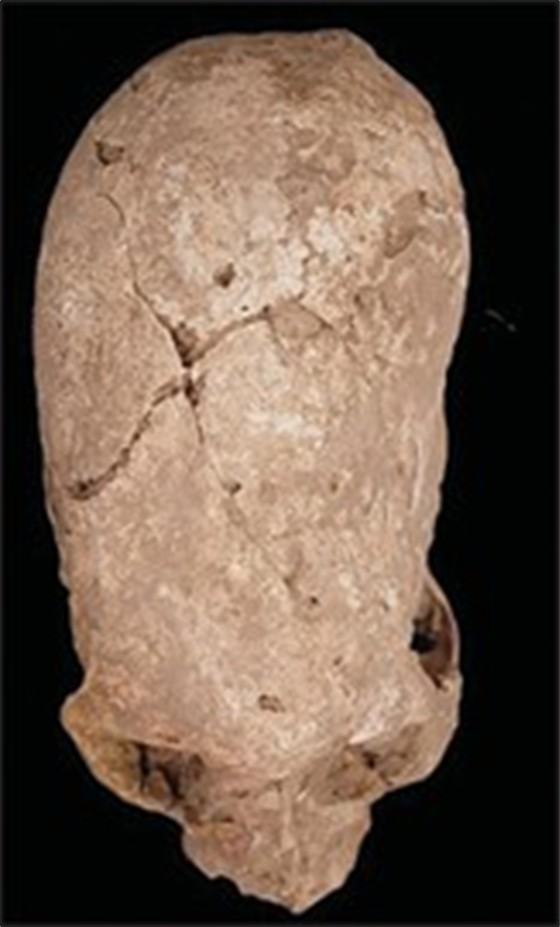
6,000-Year-Old Conical Skull Found In Abadan Dig
Culture

6,000-Year-Old Conical Skull Found In Abadan Dig

Panahi Wins Big At Cannes; Regime Irate
Culture

Panahi Wins Big At Cannes; Regime Irate

Next Post

Kalhor in Italy with kamancheh

Persian garden on World Heritage List

Leave a Reply Cancel reply

Your email address will not be published. Required fields are marked *

  • About Us
  • Contact Us
  • Advertising
  • Subscription
  • Culture
  • Economy
Call us: +1 (202)-659-9868

© 1970-2025 Iran Times - ‬An‭ ‬Independent‭ ‬Newspaper

Welcome Back!

Login to your account below

Forgotten Password?

Retrieve your password

Please enter your username or email address to reset your password.

Log In
No Result
View All Result
  • Home
  • What’s the News
  • Diaspora
  • Economy
  • Tidbits and Morsels
  • Latest
  • About Us
  • Advertising
  • Subscription

© 1970-2025 Iran Times - ‬An‭ ‬Independent‭ ‬Newspaper

Are you sure want to unlock this post?
Unlock left : 0
Are you sure want to cancel subscription?
Go to mobile version