














June 20, 2025
by Richard Nephew
Israel’s decision to attack Iran’s nuclear program on June 12 might go down in history as the start of a significant regional war, and the inflection point that led Iran to finally acquire nuclear weapons. But the strikes might also be remembered as the first moment in decades in which the world no longer faced the risk of an Iranian bomb. For years, analysts have studied the possible outcomes of such an attack—and have come away with very different predictions. Now, everyone will find out which forecast was correct.
It is still too soon to say what the outcome will be. It could take weeks before experts understand the full extent of the damage Israel has dealt, let alone if and how Tehran will recover. The attacks, after all, aren’t even over. But although it may not yet be possible to judge the long-term effects of Israel’s strikes, analysts do know what to look for as they evaluate the results. Experts can, in other words, figure out what factors will determine whether the attacks were a success in denying Iran nuclear weapons capability.
Some of those factors are quantifiable. To stop or seriously slow Iran’s ability to make a weapon, for instance, Israel’s strikes had to deny Iran the material needed to fuel nuclear weapons. They needed to blow up equipment necessary for manufacturing weapons. And they had to at least partially rid Iran of the knowledge required to turn all its material into bombs. But the final factor is less palpable. To fully succeed, Israel’s attack must also have convinced Iran to reconsider the viability of its nuclear weapons project.
Israel’s attacks have thus far been successful in destroying many of the power stations, buildings, and infrastructure Iran needs for its nuclear program. Israel has also demonstrated the ability to attack targets in Iran largely at will. But success is by no means assured, given Iran’s substantial investment in defensive fortifications, its commitment to the program, its redundant systems, and the intrinsic difficulty of Israel’s task.
KNOWN UNKNOWNS
So far, the damage from Israel’s attacks on Iran’s facilities appears mixed. According to the International Atomic Energy Agency, Iran’s most dangerous uranium enrichment site at Fordow has been attacked, but there is no confirmation that its defenses have been breached or that its couple of thousand centrifuges have been destroyed. There is also no indication that Israel has rendered Iran’s stockpile of enriched uranium. If that stockpile is still available, and if Iran’s centrifuges still exist, Tehran may be able to reconstitute a nuclear weapons program in just weeks. It could, for example, ship its hoard of 60 percent enriched uranium to Fordow (or a secret site) for further enrichment, quickly giving it enough uranium to make a bomb.
But to actually build a nuclear weapon, Iran needs more than weapons-grade enriched uranium. It also needs processing equipment that can turn the uranium into metal, shape it into weapons components, and then put the weapon together. Doing all that in the midst of war will be difficult, especially given the world’s decades-long effort to deny Iran the necessary gear. Analysts also do not know how close Iran was to being able to produce a warhead for a missile, although intelligence agencies had assessed that it would take Iran months to do so.
Still, there is much about Iran’s weapons program that experts do not know. Shortly before the strikes, for example, the International Atomic Energy Agency delivered a comprehensive report on the many outstanding questions related to Iran’s nuclear program and especially its past weaponization work. Some of those questions focus on the location of equipment that would be useful for weapons production— equipment that Iran could potentially use now. Israeli intelligence operatives may know where this gear is stored, and they may have destroyed it last night (or will do so soon). It is foolish to underestimate Israeli intelligence in Iran, given all the operational successes it has had. But Iran is a big country, with lots of places for equipment to be hidden and used.
Iran also has a sizable corps of nuclear scientists and technicians, and it is not yet clear how many of them have been killed. Israel has assassinated Fereydoun Abbasi, the former head of the Atomic Energy Organization of Iran, and Mohammad Mehdi Tehranji, a physicist and the president of the Islamic Azad University in Tehran—as well as various military leaders. But these deaths, by themselves, will not be enough to derail Iran’s nuclear enterprise. As long as the country retains a cadre of motivated, skilled, and trained technical operators, it will be able to move quickly toward nuclear weapons.
FIGHTING SPIRIT
There is tremendous uncertainty about how much quantifiable damage Israel has done to Iran’s nuclear program. But the more important question may be whether Israel’s attack destroyed Iran’s will to move forward.
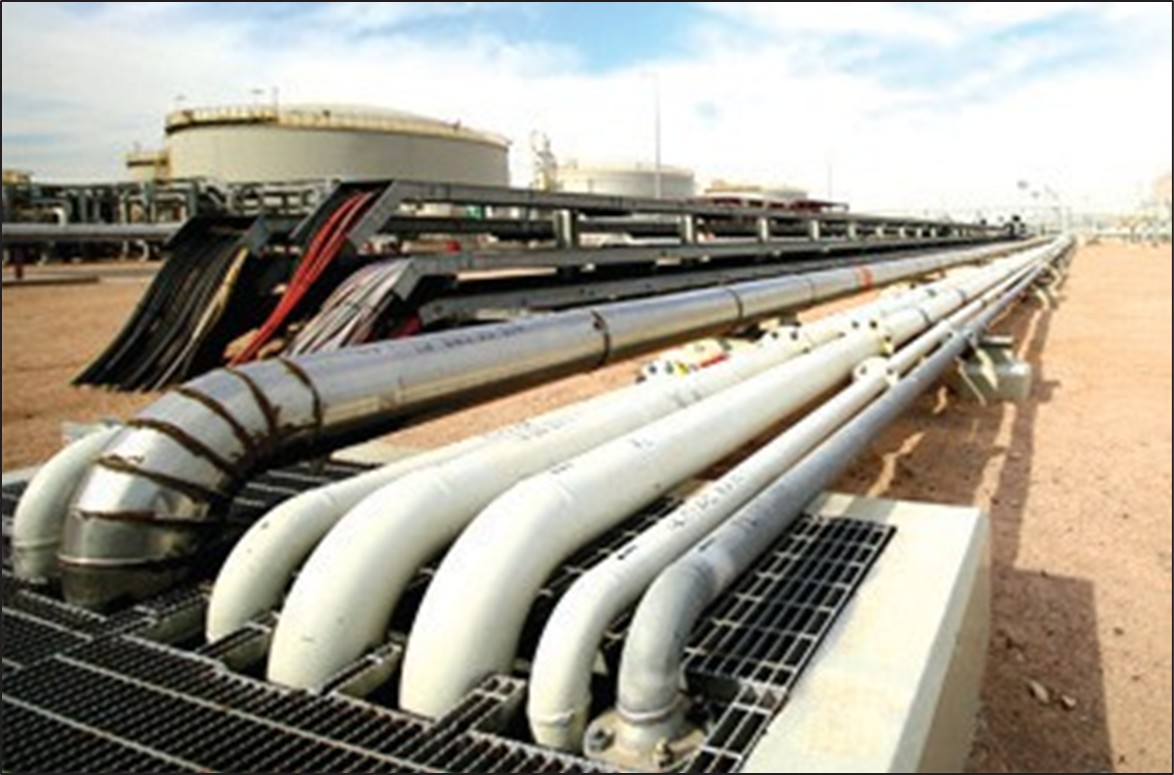
At first, it might seem outlandish to think that Iran would respond to an Israeli attack with anything other than belligerence. But if the damage to Iran’s nuclear program and military is greater than it seems, Tehran might look for off-ramps. Iran might also consider diplomacy as the damage continues to rise. Israel, after all, is not yet done, and its strikes may only become more devastating in the days ahead. The Israeli military has completely eviscerated Iran’s air defenses, so it could attack ever more central government structures and regime officials. Israel could also take out parts of the Iranian oil and gas sector, which are essential to the country’s economy. In the face of such damage, Tehran might opt to sue for peace, leading to an agreement that limits its nuclear program.
But it is reasonable to be skeptical that Iran will accept a deal at the barrel of a gun. Even if Iran did strike a bargain, the country might not faithfully implement it. Instead, the most likely outcome is that Iran continues to retaliate while trying to convince the rest of the world that Israel is a rogue actor, having used force just days before talks were to recommence between Tehran and Washington. U.S. PresidentDonald Trump’s decision to claim some credit for the attacks will also make arriving at a deal more difficult, even though his administration earlier sought to distance itself from the strikes.
Israel’s attacks against Iran appear to have been tactically brilliant and well informed. But its ability to carry out sophisticated strikes was never really in doubt. Analysts knew that the Israeli military was supremely capable and had tricks up its sleeve. Instead, the question was always whether an Israeli-only attack—or even a jointU.S.-Israelioperation—could meaningfully forestall an Iranian dash for nuclear weapons. The world will soon know the answer.

at Columbia University at the Center on Global
Energy Policy and a Bernstein Adjunct Fellow at
the Washington Institute for Near East Policy. He
served as Deputy Special Envoy for Iran during
the Biden administration and on the National
Security Council staff and in the State Depart
ment during the Obama administration.