











July 11, 2014
By John McLaughlin
Iraq as we know it is in danger. Which means it’s time to start thinking about what the nation will look like if it does disintegrate, and consider what policy challenges would then confront the world.
Though Iraq’s three major ethnic groups — Sunnis, Shia and Kurds — live in generally distinct geographic regions, there will be nothing neat or clean about a breakup. A split won’t calm political waters nor will it bring near-term stability. And for US policy? The already labyrinthine geopolitical puzzle will become even more maddeningly complex.Let’s break it down into what would happen in each of Iraq’s three ethnic enclaves.
COULD WE SEE A KURDISTAN?
The most predicable and stable of the three is the Kurdish region in the north. Recall that Saddam Hussein ruthlessly persecuted the Kurds, even using chemical weapons against them in 1988. As a result, the international community protected the region aggressively after the 1990 Gulf War, devoting NATO warplanes to patrol the skies and keep Hussein at bay. This helped the Kurds build what is now the most homogeneous, prosperous and stable part of Iraq — with probably the most effective fighting force, the so-called Peshmerga.
But the Kurds want independence for more reasons than just the violence in the south.
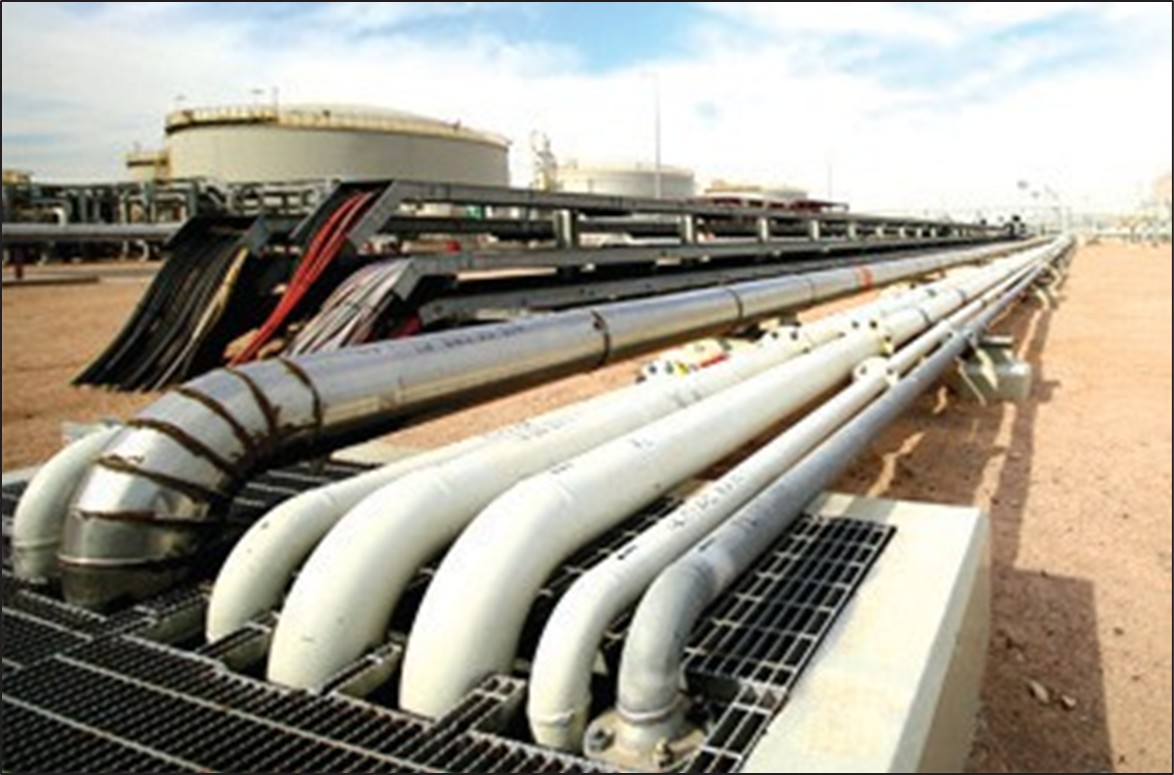
Having grabbed the oil-rich area of Kirkuk, Kurds have already begun exporting the oil through a pipeline running west to the Turkish Mediterranean port of Ceyhan. Access to that oil could not only make Kurdistan independent — but also a wealthy, more secure, independent state.And then there’s the matter of Turkey, which may, surprisingly, be amenable to an independent Iraqi Kurdish state. The once-fervent separatist movement among Kurds within Turkey has lost steam; Prime Minister Erdogan has lifted many formerly oppressive restrictions on their language rights and allowed Turkish Kurds fuller political participation. Also, Turkey, hungry for oil, likes the prospect of a friendly oil-supplier on its border. A Kurdish state could actually serve Turkey well, providing a buffer of sorts for Turkey, victim of harsh al-Qaida attacks in the past, against the chaos further south.
A Kurdish state would likely get cozy with the U.S. too; they’re already coming to the U.S. to request weapons and military support. And here’s a big idea — Kurds could eventually offer the U.S. bases in exchange for that aid. Which would mean a foothold for Washington, a secure location other than — or in addition to — Baghdad, from which to attack al-Qaida in Iraq and Syria (ISIS).
MODERATES VS. ISIS IN THE SUNNI “CALIPHATE”
This takes us to the second key enclave: the Sunni heartland of western and central Iraq. The region, now dominated by ISIS, looks headed for enforced Sharia law — unless Sunnis opposed to this fate can resist what now seems inevitable.
ISIS this week declared an Islamic “caliphate” to be governed by Sharia law. They have taken over most major towns, captured banks and other institutions, and seized control of border posts in Jordan and Syria (the latter obliterating that border, causing ISIS-controlled territory in Syria to bleed into Iraq).
The many Sunnis who oppose the ISIS ideology are in the fight mainly to protest the punishing approach Prime Minister Maliki’s Shia-dominated government has taken toward them. We could soon see a power struggle between radical Islamists and moderate Sunnis, some of whom have no interest in imposing Sharia law. Those moderates are striving to regain the dominant role they had in Saddam’s Sunni-dominated government.
For now, ISIS is poised to prevail in any such struggle. They control guns, money and governance. And despite their well-publicized brutality, they know that to get any public support, they have to soften the blow by providing social services. So in some of the areas they control, they are doing everything from repairing power lines to collecting garbage, fixing potholes, rebuilding markets and re-establishing postal services.
But there will be nothing soft about ISIS’ approach to the neighborhood outside their control. They threaten the Kurds, the Shia-controlled areas, not to mention neighboring countries such as Jordan, Saudi Arabia and Israel.
If ISIS holds on to power, it means they will be operating as a terrorist state in the heart of the Middle East. This from a group with a clearly stated ambition to outdo Bin Laden in their global reach and impact.
SHIA LAND: IRAN’S BACKYARD
The third piece of any Iraqi partition — the Shia area from Baghdad stretching south — faces the most uncertain future. It’s under attack from ISIS and is deeply divided within.
The Baghdad-based Iraqi Parliament convenes this week, but it’s anyone’s guess whether Shia Prime Minister al-Maliki can hang on to power. In the coming weeks, we’ll likely see Shia politicians trying to stave off military defeat. And the question remains: Can the Shias try to bring Sunnis and Kurds into a governing coalition (a near hopeless cause) or will they have to go it alone?
Shia-governed Iran next door is much more involved in the region than the U.S. — and they will be loathe to allow Sunni terrorists to overrun a neighboring Shia power. So expect any Shia-dominated government that survives in what remains of Iraq to be essentially an annex of Iran.
NO CLEAR-CUT SOLUTION
Every option has a significant downside. As the regions splinter, the U.S. will find itself amid a multinational spaghetti junction with confusing new alliances and enemies to parse.
If the U.S. decides its overriding objective is to crush ISIS, then it has a problem: Syrian leader Bashar al-Assad. Stamping out ISIS lifts pressure from Assad, whom ISIS is trying to vanquish. Targeting ISIS means the U.S. must simultaneously work directly to depose Assad, which it so far has hesitated to do.
Perhaps the biggest plot thickener: As Iran works to keep ISIS from overrunning Baghdad, it may have to swallow an alliance of convenience with the “Great Satan” — the United States. And as Sunni-governed Saudi Arabia seeks to thwart ISIS’ new threats to cross into Saudi territory, it may have to work with … arch regional rival Iran, a nation the Saudis are facing off against simultaneously in the proxy war in Syria.
But terrifying as each possibility may be, stepping back from this messy map is not an option. Because to make no choice is to choose.
John McLaughlin is the former deputy director of the CIA. and teaches at the Johns Hopkins University’s School of Advanced International Studies (SAIS).