









• About Us
  • Subscription
  • Contact Us
Tuesday, March 10, 2026
  • Login
Iran Times
  • Home
  • What’s the News
    • All
    • baygani
    Army Says It Makes Some Officers UN Peacekeepers

    Army Says It Makes Some Officers UN Peacekeepers

    Iran May Curry Favor With Egypt By Axing Street Name

    Iran May Curry Favor With Egypt By Axing Street Name

    Regime Barks Loudly At Dog Owners

    Regime Barks Loudly At Dog Owners

    Campaign To Rid Iran of Afghans Moves Into Trumpian High Gear

    Campaign To Rid Iran of Afghans Moves Into Trumpian High Gear

    Russia, China Interfere To Stunt Iran Nuclear Plan

    Russia, China Interfere To Stunt Iran Nuclear Plan

    Regime Hangs Convicted Killer of 7 in 2022 Protests

    Regime Hangs Convicted Killer of 7 in 2022 Protests

    Trump Kicks Trio Off Iran Issues For Being Too Pro-Israel

    Trump Kicks Trio Off Iran Issues For Being Too Pro-Israel

    Omid The Siberian Crane May Have Died

    Omid The Siberian Crane May Have Died

    Israel Built Drones In A Factory Set Near Tehran

    Israel Built Drones In A Factory Set Near Tehran

  • Diaspora
  • Economy
    Economist Says Biggest Problem For Iranian Economy is State Controls

    Economist Says Biggest Problem For Iranian Economy is State Controls

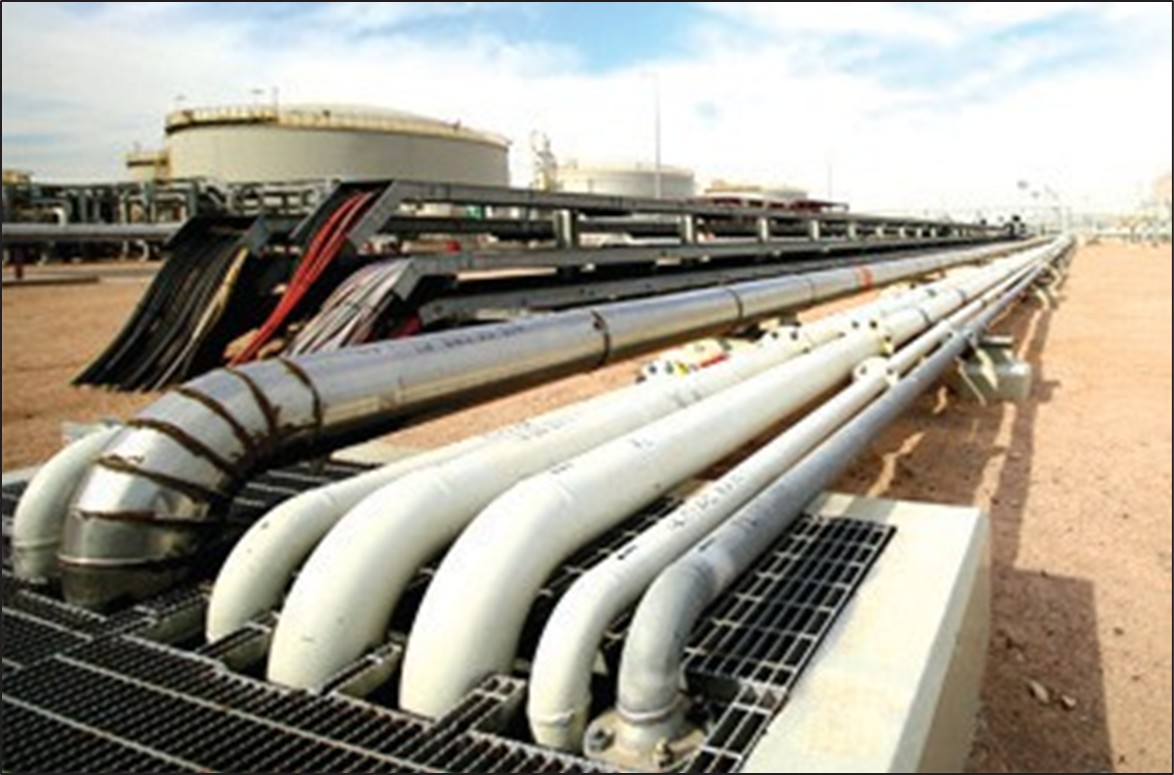
    US Stops Turkmen Gas Crossing Iran For Iraq

    US Stops Turkmen Gas Crossing Iran For Iraq

    For Umpteenth Time, Auto Privatization Again Killed

    For Umpteenth Time, Auto Privatization Again Killed

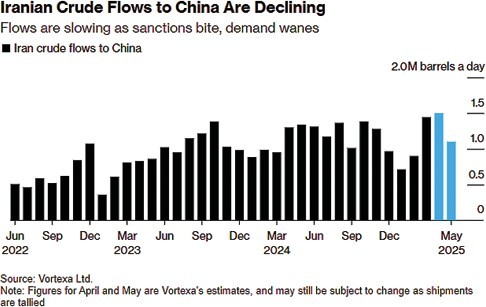
    China Oil Buy Drops, But Remains High

    China Oil Buy Drops, But Remains High

    Gov’t Ends Ban Importing Goods Made In Iran

    Minimum Wage is Boosted 45%

    Banks Must Keep More Money On Hand

    Banks Must Keep More Money On Hand

    Russian Says Iran Watermelons Unsafe

    Russian Says Iran Watermelons Unsafe

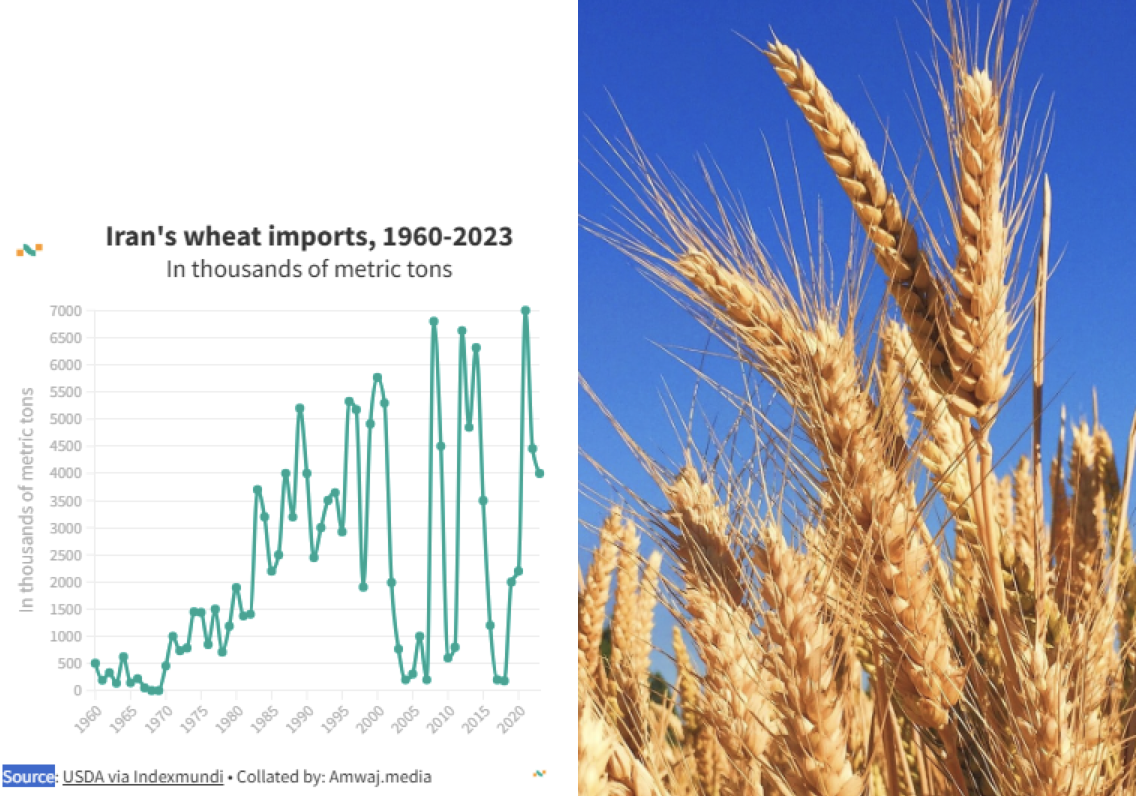
    Iran Not To Be Self-Sufficient In Wheat This Year

    Iran Not To Be Self-Sufficient In Wheat This Year

  • Tidbits and Morsels
  • Latest
    Hell Comes To A Pasdar Base North of Tehran

    Hell Comes To A Pasdar Base North of Tehran

    US Mail To Iran Is Suspended

    President Takes Time Off For Surgery

    President Takes Time Off For Surgery

    After Month Of Talks, Trump Decides He Wants No Enrichment

    The Lights Are Going Out All Over Iran

    Drone Attack That Killed 3 US Troops in Jordan Could Have Been Foiled

    Iranian-Canadians Reportedly Turned Away at US Border

    Iranian-Americans: an Account of Integration and Achievement

    Jamshid Myth

  • About Us
  • Advertising
  • Subscription
No Result
View All Result
  • Home
  • What’s the News
    • All
    • baygani
    Army Says It Makes Some Officers UN Peacekeepers

    Army Says It Makes Some Officers UN Peacekeepers

    Iran May Curry Favor With Egypt By Axing Street Name

    Iran May Curry Favor With Egypt By Axing Street Name

    Regime Barks Loudly At Dog Owners

    Regime Barks Loudly At Dog Owners

    Campaign To Rid Iran of Afghans Moves Into Trumpian High Gear

    Campaign To Rid Iran of Afghans Moves Into Trumpian High Gear

    Russia, China Interfere To Stunt Iran Nuclear Plan

    Russia, China Interfere To Stunt Iran Nuclear Plan

    Regime Hangs Convicted Killer of 7 in 2022 Protests

    Regime Hangs Convicted Killer of 7 in 2022 Protests

    Trump Kicks Trio Off Iran Issues For Being Too Pro-Israel

    Trump Kicks Trio Off Iran Issues For Being Too Pro-Israel

    Omid The Siberian Crane May Have Died

    Omid The Siberian Crane May Have Died

    Israel Built Drones In A Factory Set Near Tehran

    Israel Built Drones In A Factory Set Near Tehran

  • Diaspora
  • Economy
    Economist Says Biggest Problem For Iranian Economy is State Controls

    Economist Says Biggest Problem For Iranian Economy is State Controls

    US Stops Turkmen Gas Crossing Iran For Iraq

    US Stops Turkmen Gas Crossing Iran For Iraq

    For Umpteenth Time, Auto Privatization Again Killed

    For Umpteenth Time, Auto Privatization Again Killed

    China Oil Buy Drops, But Remains High

    China Oil Buy Drops, But Remains High

    Gov’t Ends Ban Importing Goods Made In Iran

    Minimum Wage is Boosted 45%

    Banks Must Keep More Money On Hand

    Banks Must Keep More Money On Hand

    Russian Says Iran Watermelons Unsafe

    Russian Says Iran Watermelons Unsafe

    Iran Not To Be Self-Sufficient In Wheat This Year

    Iran Not To Be Self-Sufficient In Wheat This Year

  • Tidbits and Morsels
  • Latest
    Hell Comes To A Pasdar Base North of Tehran

    Hell Comes To A Pasdar Base North of Tehran

    US Mail To Iran Is Suspended

    President Takes Time Off For Surgery

    President Takes Time Off For Surgery

    After Month Of Talks, Trump Decides He Wants No Enrichment

    The Lights Are Going Out All Over Iran

    Drone Attack That Killed 3 US Troops in Jordan Could Have Been Foiled

    Iranian-Canadians Reportedly Turned Away at US Border

    Iranian-Americans: an Account of Integration and Achievement

    Jamshid Myth

  • About Us
  • Advertising
  • Subscription
No Result
View All Result
Iran Times
No Result
View All Result

Linking the Syrian conflict to the Iranian nuclear agreement

December 27-2013

By David Schenker

Back in 2006, during a particularly low point in the U.S. occupation of Iraq, the congressionally mandated Iraq Study Group is-
sued a report in which the central contentious proposition was that “all key issues in the region are inextricably linked.” Accordingly, to stem the deterioration in Iraq and “achieve its goals” in the Middle East, the report posited the U.S. would have to resolve the Arab-Israeli conflict.

Seven years on, while the conceit linking Iraq to the Arab-Israeli peace process is no longer relevant, the concept of linkage appears to be making a comeback — this time in the context of Iran and war in Syria. During a recent trip to Lebanon, a concern I heard repeatedly voiced was that if Tehran played ball and signed onto a nuclear deal, the Obama administration might be prepared to acknowledge Iranian interests in Syria and drop its demand that President Bashar al-Assad step down.

The prospect of somehow tying Iran’s nuclear file to ceasefire talks in Syria was of great concern to many of the Middle Easterners I spoke to. And for good reason — linking international efforts to roll back Iran’s nuclear program in order to achieve a ceasefire in Syria would be ill advised.

To be sure, Iran and Syria are inexorably connected. For more than three decades, the Shiite theocracy in Tehran and the Alawite regime in Damascus have been strategic partners. And today, Iran is the leading supporter of the Assad regime, providing the weapons, technical assistance, and troops that have enabled Assad to combat the insurgency.

But Iran cannot serve as a productive interlocutor in Syria. Regardless of whether the “first step” nuclear framework agreement with Iran progresses to a full-scale deal, Tehran views the survival of a friendly regime in Damascus to be a priority. Syria is the gateway of Iranian influence in the Levant. If Assad was toppled, he would likely be replaced with a Sunni regime hostile to Iran that would sever the key supply line between Tehran and its Lebanese Shiite militia proxy, Hezbollah.

To date, there is no formal indication that the White House has changed its position on Syria. Indeed, just last month, Secretary of State John Kerry again declared that America “believes that Assad has lost any legitimacy of the governance of Syria and must go.”

In the region, however, tough administration statements on Syria no longer inspire confidence. The aborted U.S. military response to the Assad regime’s August 21 chemical weapons attack, the reticence — despite public assurances — to provide arms to the Syrian opposition, the ubiquitous reports that the administration is supplying intelligence to Hezbollah to protect the organization from attacks, and the optics of the ostensible U.S. rapprochement with Tehran have all taken a toll on American credibility in the Middle East.

Today, for example, Sunni Muslims in Lebanon and elsewhere across the region who support the rebellion in Syria increasingly believe that the Obama administration is no longer committed to ending the Assad regime. Worse, given the predominately Islamist character of the Syrian military opposition, many in the region now suspect that America prefers the devil it knows in Damascus to an unknown and potentially al Qaeda-affiliated alternative. Meanwhile, there are preliminary signs that the once united Western opposition to an Iranian diplomatic role in the Syrian crisis is starting to wane. French Foreign Minister Laurent Fabius, for example, has advocated Iran’s inclusion in the impending Geneva II peace conference on Syria. Likewise, British Foreign Secretary William Hague has hinted that Tehran could play a “productive role” in the negotiations — and has dispatched a diplomat to Iran to discuss cooperation. Even the administration has reportedly been exploring how to partner with Iran to end the war in Syria.

The problem, of course, is that Iran would not play a productive role in Geneva. Instead, it would add — along with Russia — another pro-Assad seat at the table, and enable Tehran to leverage its cooperation on the nuclear front to secure a more favorable outcome for its allies in Damascus. At the same time, the “first step” nuclear agreement provides cash-strapped Tehran with an additional $7 billion that can be employed to further assist the embattled Assad regime. For at least a year, Sunnis have seen Washington’s Syria policy as a subset of American policy on Iran. Most recently, this understanding was seemingly confirmed when the strike on Syrian chemical weapons facilities was aborted, apparently because Obama didn’t want to scuttle prospects for a nuclear deal. Today in the Middle East, Sunnis are concerned that if the Iranian nuclear issue is linked to the Syria crisis, it would represent a return to 1991 — when Lebanon was tacitly ceded to Syria in return for then President Hafez Assad’s participation in the first Gulf War. In this case, Syria would be handed over to Iran.

No doubt, the region is predisposed to conspiracy theories, but given the administration’s equivocating policy on Syria, there is the likelihood that should Iran find itself at the table in Geneva, Syria and Lebanon may be served up as the main course.


David Schenker is the Aufzien Fellow and director of the Program on Arab Politics at The Washington Institute.


Previous Post

The Rouhani delusion

Next Post

Iran and U.S. nuclear policy

Related Posts

Can Israel Destroy Iran’s Nuclear Program?
Commentary

Can Israel Destroy Iran’s Nuclear Program?

The Right Path to Regime Change In Iran
Commentary

The Right Path to Regime Change In Iran

Commentary

Trump has Achance to Strike a Deal with Iran

Next Post

Did Arab uprisings deepen the Sunni-Shia divide?

Iran rescinds offer to fund Pak pipe

Iran rescinds offer to fund Pak pipe

Leave a Reply Cancel reply

Your email address will not be published. Required fields are marked *

  • About Us
  • Contact Us
  • Advertising
  • Subscription
  • Culture
  • Economy
Call us: +1 (202)-659-9868

© 1970-2025 Iran Times - ‬An‭ ‬Independent‭ ‬Newspaper

Welcome Back!

Login to your account below

Forgotten Password?

Retrieve your password

Please enter your username or email address to reset your password.

Log In
No Result
View All Result
  • Home
  • What’s the News
  • Diaspora
  • Economy
  • Tidbits and Morsels
  • Latest
  • About Us
  • Advertising
  • Subscription

© 1970-2025 Iran Times - ‬An‭ ‬Independent‭ ‬Newspaper

Are you sure want to unlock this post?
Unlock left : 0
Are you sure want to cancel subscription?
Go to mobile version