













Iran bought $6.2 billion worth of gold – or 86% of total Turkish gold sales – to replace Germany as Turkey’s largest export destination. Statistics from the first seven months of the year indicated that gold sales to Iran have increased by more than a whopping 500% compared to all of last year. Iran accounted only for 4% of purchases of Turkish gold two years ago.
Turkish exports in general have taken a big hit as the European Union countries, its traditional export market, are struggling with the financial crisis over the past few years. As a result, Turkey has attempted to reorient its exports to the Middle Eastern countries of Libya, Saudi Arabia, Egypt and Iraq.
As the largest single export market, Iran has helped Turkey make up for a good portion of the export losses. It’s a mutually beneficial trade, however, as Iran is struggling to cope with the restrictions of the international financial sanctions imposed by he US and the EU.
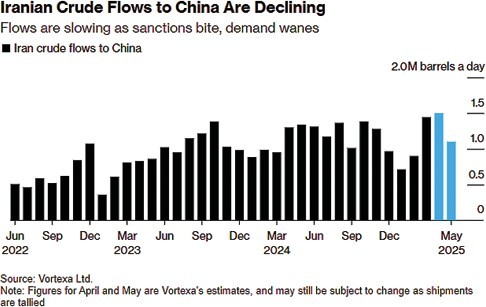
Among other things, the sanctions have cut Iran off from Swift, the international payments network. This has effectively scuttled Iran’s ability to conduct any international financial transactions, making it next to impossible to bring home the money it earns from whatever sales of its crude oil survived the sanctions.
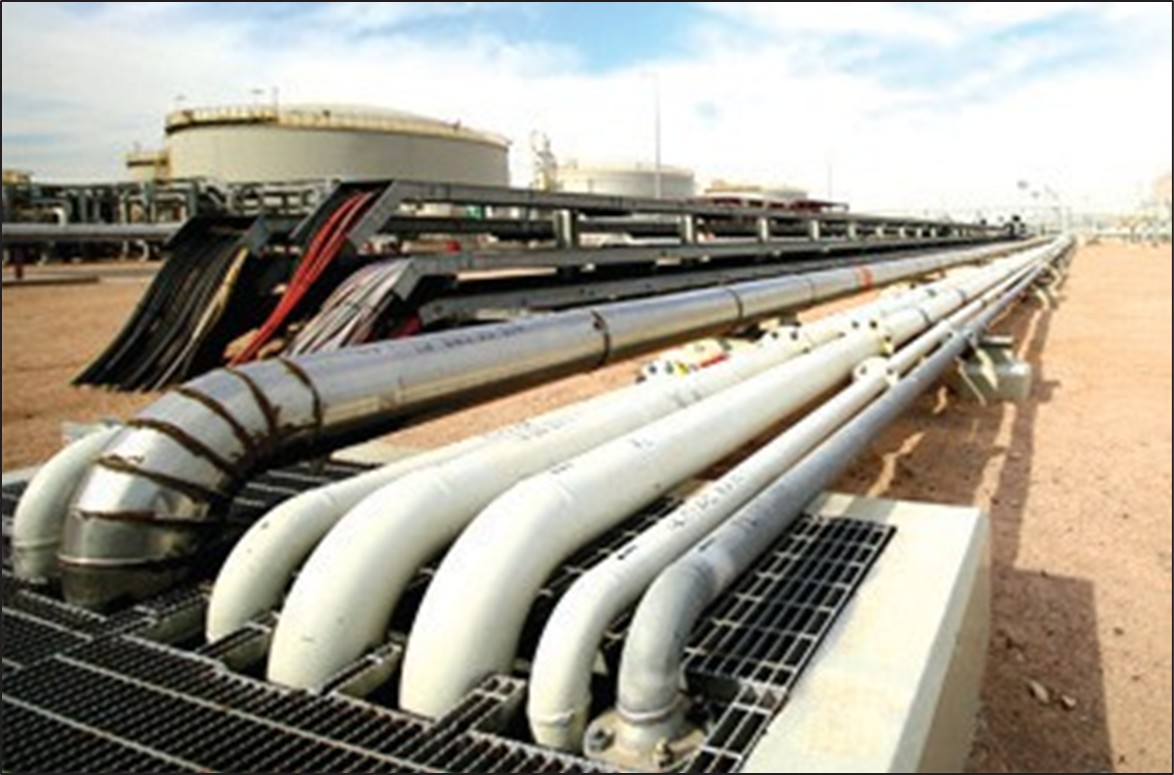
As a result, Iran is now accepting payments for its oil in renmenbis, rupees – and gold. Enter Turkey, 40% of whose oil comes from Iran. While this total will shrink significantly under the sanctions, it will not completely disappear. So Iran can export oil to Turkey and get gold in return, thus abolishing the need to access the global financial system.
“You can always transfer gold into cash without losing value,” Gokhan Aksu, vice chairman of Istanbul Gold Refinery, one of Turkey’s biggest gold companies, told the Financial Times.
It’s a clever work-around, but it is neither enough for all of Iran’s financial needs nor sustainable in the long run. The Iranian rial has lost more than half of its value in recent years and many Iranians are desperate to avoid further losses in their savings.
A huge part of Iran’s foreign currency reserves are stored in dollars, and the demand for dollars is driving many Iranians to look for alternative methods of procuring it.
A growing number of wealthy and middle class Iranians are taking their rials to currency markets in neighboring Afghanistan and converting them into dollars. Here, the dollar is in wide circulation as a result of Western spending and dealings largely take place in cash, giving Iranians a way to store their savings and avoid further devaluation.
The Iranian rial “comes across [the border] in trucks,” Hajji Najeebullah Akhtary, the president of Afghanistan’s Money Exchange Union, told the New York Times.
US and Afghan officials cannot put a precise figure on the scale of these transactions, but it is clear that they have American officials worried enough to get them to act.Afghan money traders recently reported that American officials told them to cease all financial transactions with Arian Bank, an Iranian-owned bank in Afghanistan.
The Iranians are “in essence using our own money, and they’re getting around what we’re trying to enforce,” an American official told the New York Times.