










The International Crisis Group (ICC), which is based in Brussels, says the Sunni government is doing next-to-nothing to address the concerns of its Shiite citizens, who comprised about two-thirds of the population.
The ICC says the government has largely ignored its promises to implement the proposals of an independent inquiry chaired by a respected Egyptian jurist, Mahmoud Cherif Bassiouni. That report, released last November, proposed a number of reforms, only a few of which have been adopted by Bahrain.
The ICC report, released Monday, said, “Beneath a faÁade of normalization, Bahrain is sliding toward another dangerous eruption of violence.”
It notes that political talks with the opposition have ground to a halt and clashes between protesters and security forces now erupt nightly. “A genuine dialogue between the regime and the opposition and a decision to fully carry out the Bassiouni Report—not half-hearted measures and not a policy of denial – are needed to halt this deterioration.”
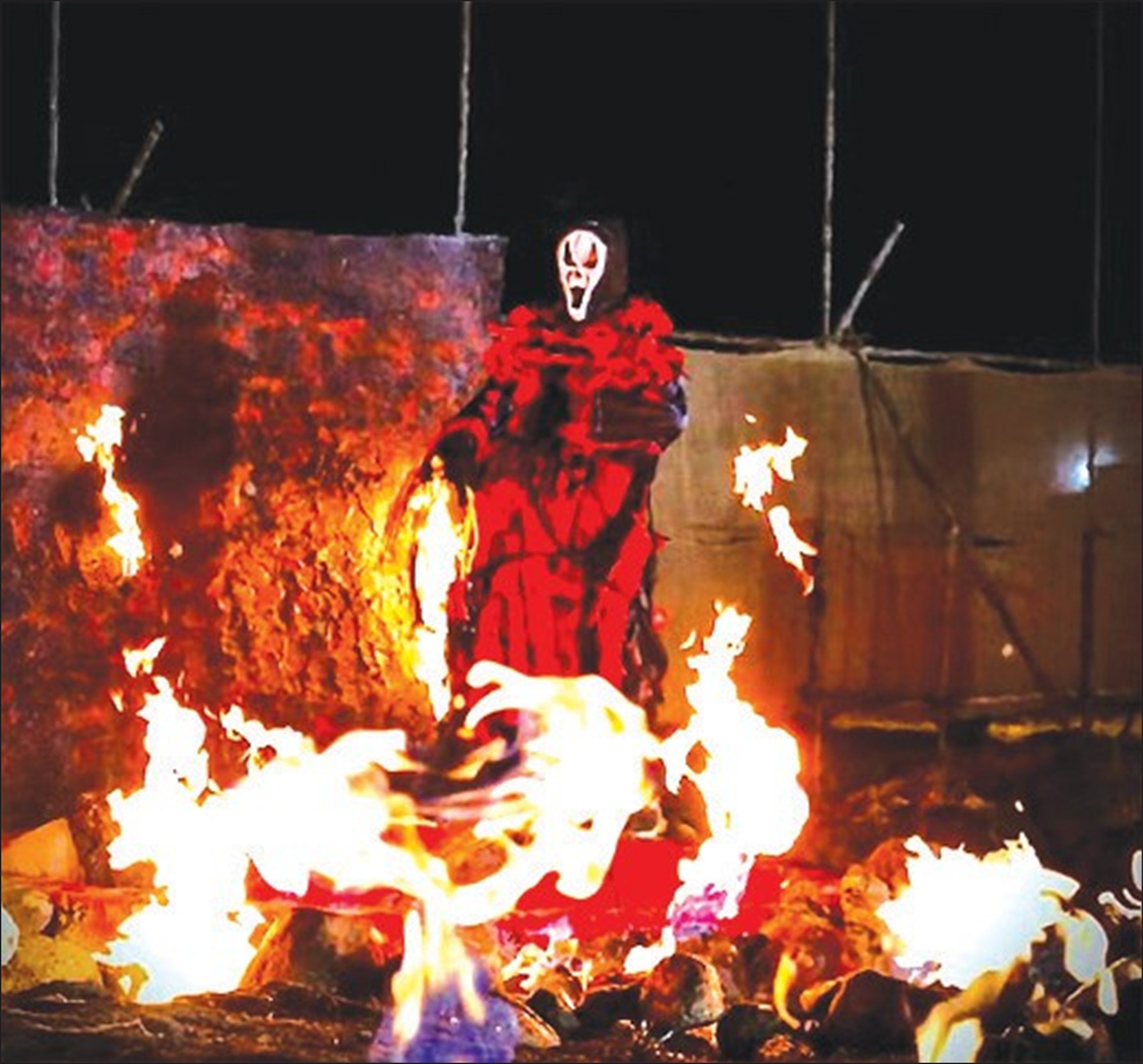
The opposition is using Molotov cocktails to make itself visible while the government resorts to tear gas to put down the protests. Several protesters have died, reportedly due in most cases to tear gas inhalation. The total death toll over a year of protests, however, is still below 50, nowhere near the scale of deaths in Syria, which the UN estimates had passed 9,000.
Sunni vigilante groups have also entered the fray, this month vandalizing two cars and a supermarket owned by a Shiite firm.
A possible flashpoint is Bahrain’s scheduled hosting of a Formula 1 auto race April 22. The Coalition of the Youth of the February 14 Revolution, an umbrella for an array of opposition groups that commands the loyalty of Shiite neighborhoods, has warned that it considers participants, sponsors and spectators as regime allies and has declared that it will not accept blame for “any violent reaction” during the race.
Despite repeated opposition calls to cancel the race, the FÈdÈration Internationale de l’Automobile, the Formula 1 governing body, gave its go-ahead April 13.
The ICC commented, “The regime is trying to make the competition a symbol of national unity and is banking on it symbolizing a return to stability. Instead, it is underscoring deep divides and risks further inflaming the situation.”
The ICC said a second possible flashpoint involves Abdulhadi Alkhawaja, a human rights activist convicted of attempting to overthrow the regime. He has been on a hunger strike since February 8 to protest his conviction. The ICC says his death “likely would spark a serious intensification in anti-regime activism.”
The ICC concludes, “The only path out of the current crisis is a return to dialogue and negotiations over real political reforms, much as the Bassiouni Report suggested. The regime has shown little enthusiasm for talks—not least because its Sunni supporters oppose them, fearing that any accommodation of the opposition’s proposals could jeopardize their privileged status.”
The opposition argues that the regime is not serious about resuming talks, let alone reforms; that it torpedoed secret negotiations held in February by leaking them to the public; and that it failed to follow up on demands put forward by the opposition a month later at the government’s request.
The ICC urges: “To break this stalemate and move forward, the government should fully implement the Bassiouni Report’s recommendations, releasing all political prisoners—including Alkhawaja—and holding senior officials accountable for excessive force and torture. It also must begin reforming the security forces, ensuring they fully reflect Bahrain’s make-up by integrating members of all communities. For its part, the opposition should abjure violence more explicitly than in the past and declare its readiness to participate in a dialogue on reform without preconditions.”
Bahrain has long accused Iran of fomenting the uprising that began in February of last year. The United States has said Iran had no role in initiating the uprising, but has tried to exploit it ever since, fanning the flames of discontent with propaganda broadcasts and even supplying small numbers of weapons.