






• About Us
  • Subscription
  • Contact Us
Friday, March 13, 2026
  • Login
Iran Times
  • Home
  • What’s the News
    • All
    • baygani
    Army Says It Makes Some Officers UN Peacekeepers

    Army Says It Makes Some Officers UN Peacekeepers

    Iran May Curry Favor With Egypt By Axing Street Name

    Iran May Curry Favor With Egypt By Axing Street Name

    Regime Barks Loudly At Dog Owners

    Regime Barks Loudly At Dog Owners

    Campaign To Rid Iran of Afghans Moves Into Trumpian High Gear

    Campaign To Rid Iran of Afghans Moves Into Trumpian High Gear

    Russia, China Interfere To Stunt Iran Nuclear Plan

    Russia, China Interfere To Stunt Iran Nuclear Plan

    Regime Hangs Convicted Killer of 7 in 2022 Protests

    Regime Hangs Convicted Killer of 7 in 2022 Protests

    Trump Kicks Trio Off Iran Issues For Being Too Pro-Israel

    Trump Kicks Trio Off Iran Issues For Being Too Pro-Israel

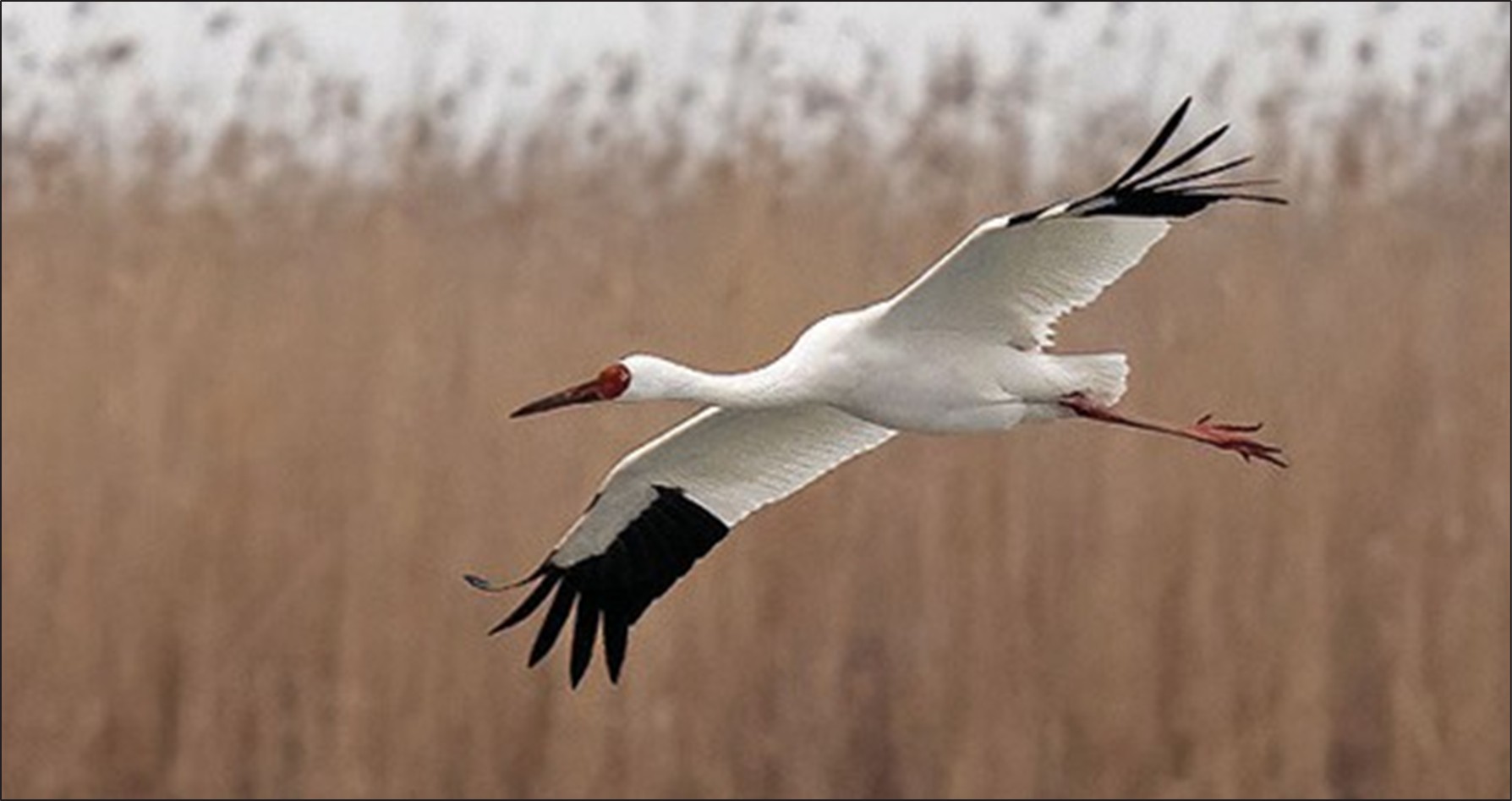
    Omid The Siberian Crane May Have Died

    Omid The Siberian Crane May Have Died

    Israel Built Drones In A Factory Set Near Tehran

    Israel Built Drones In A Factory Set Near Tehran

  • Diaspora
  • Economy
    Economist Says Biggest Problem For Iranian Economy is State Controls

    Economist Says Biggest Problem For Iranian Economy is State Controls

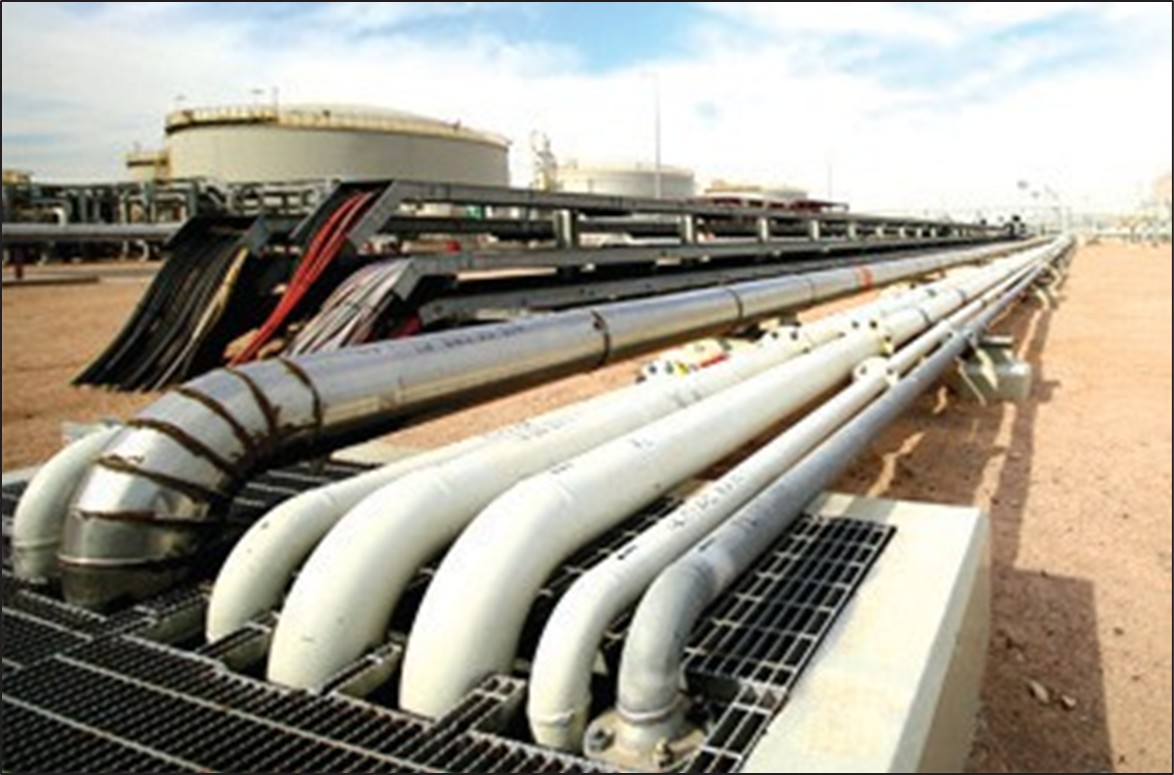
    US Stops Turkmen Gas Crossing Iran For Iraq

    US Stops Turkmen Gas Crossing Iran For Iraq

    For Umpteenth Time, Auto Privatization Again Killed

    For Umpteenth Time, Auto Privatization Again Killed

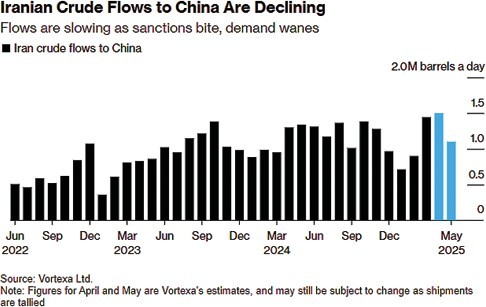
    China Oil Buy Drops, But Remains High

    China Oil Buy Drops, But Remains High

    Gov’t Ends Ban Importing Goods Made In Iran

    Minimum Wage is Boosted 45%

    Banks Must Keep More Money On Hand

    Banks Must Keep More Money On Hand

    Russian Says Iran Watermelons Unsafe

    Russian Says Iran Watermelons Unsafe

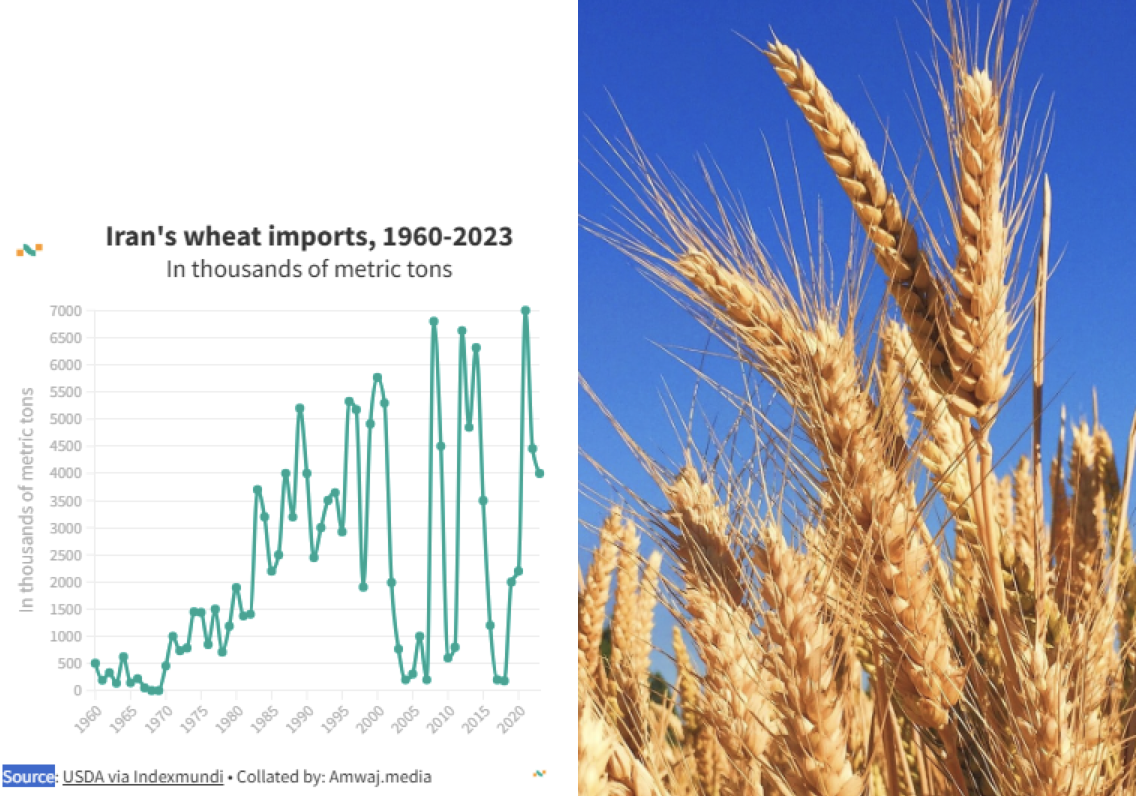
    Iran Not To Be Self-Sufficient In Wheat This Year

    Iran Not To Be Self-Sufficient In Wheat This Year

  • Tidbits and Morsels
  • Latest
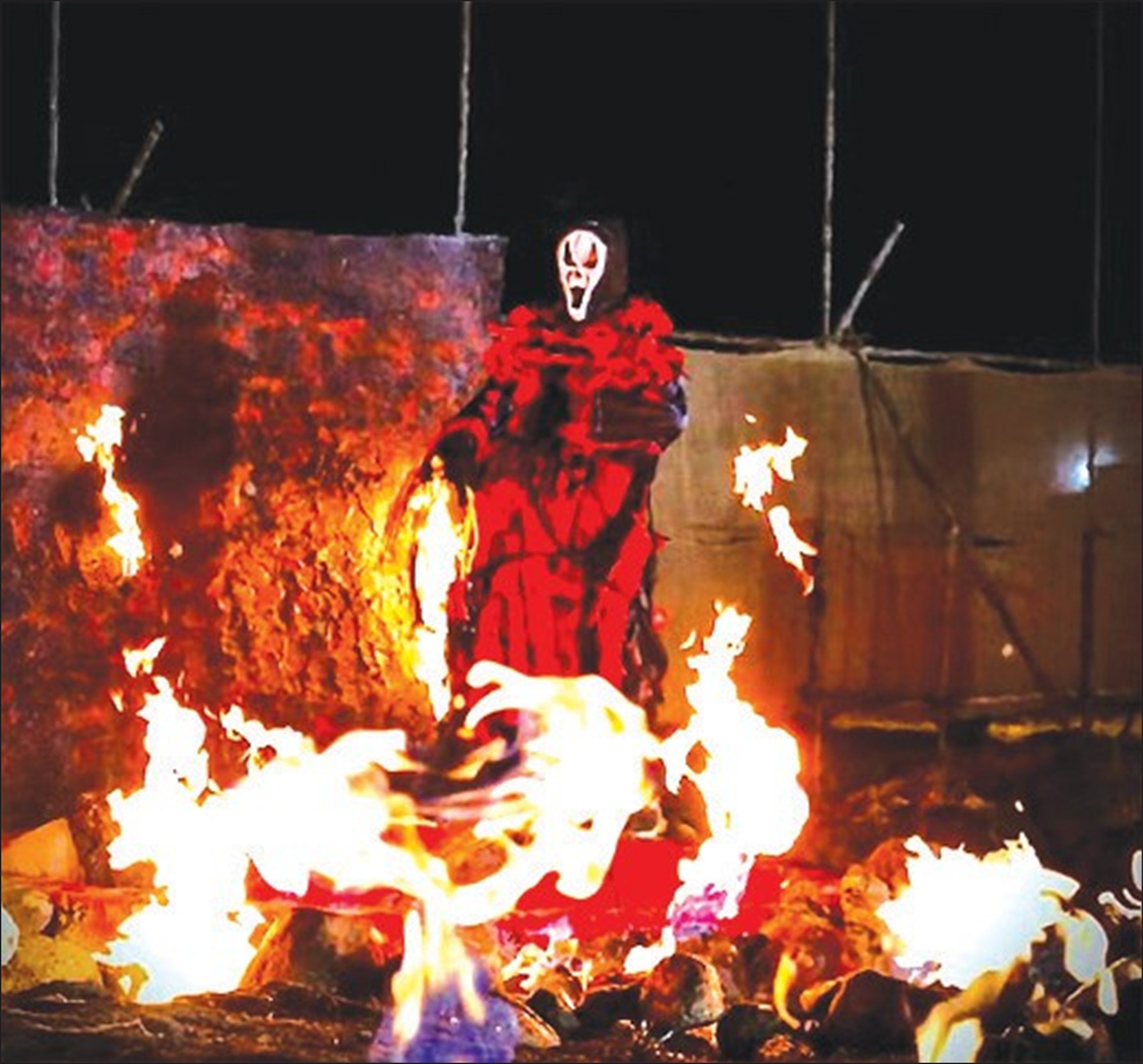
    Hell Comes To A Pasdar Base North of Tehran

    Hell Comes To A Pasdar Base North of Tehran

    US Mail To Iran Is Suspended

    President Takes Time Off For Surgery

    President Takes Time Off For Surgery

    After Month Of Talks, Trump Decides He Wants No Enrichment

    The Lights Are Going Out All Over Iran

    Drone Attack That Killed 3 US Troops in Jordan Could Have Been Foiled

    Iranian-Canadians Reportedly Turned Away at US Border

    Iranian-Americans: an Account of Integration and Achievement

    Jamshid Myth

  • About Us
  • Advertising
  • Subscription
No Result
View All Result
  • Home
  • What’s the News
    • All
    • baygani
    Army Says It Makes Some Officers UN Peacekeepers

    Army Says It Makes Some Officers UN Peacekeepers

    Iran May Curry Favor With Egypt By Axing Street Name

    Iran May Curry Favor With Egypt By Axing Street Name

    Regime Barks Loudly At Dog Owners

    Regime Barks Loudly At Dog Owners

    Campaign To Rid Iran of Afghans Moves Into Trumpian High Gear

    Campaign To Rid Iran of Afghans Moves Into Trumpian High Gear

    Russia, China Interfere To Stunt Iran Nuclear Plan

    Russia, China Interfere To Stunt Iran Nuclear Plan

    Regime Hangs Convicted Killer of 7 in 2022 Protests

    Regime Hangs Convicted Killer of 7 in 2022 Protests

    Trump Kicks Trio Off Iran Issues For Being Too Pro-Israel

    Trump Kicks Trio Off Iran Issues For Being Too Pro-Israel

    Omid The Siberian Crane May Have Died

    Omid The Siberian Crane May Have Died

    Israel Built Drones In A Factory Set Near Tehran

    Israel Built Drones In A Factory Set Near Tehran

  • Diaspora
  • Economy
    Economist Says Biggest Problem For Iranian Economy is State Controls

    Economist Says Biggest Problem For Iranian Economy is State Controls

    US Stops Turkmen Gas Crossing Iran For Iraq

    US Stops Turkmen Gas Crossing Iran For Iraq

    For Umpteenth Time, Auto Privatization Again Killed

    For Umpteenth Time, Auto Privatization Again Killed

    China Oil Buy Drops, But Remains High

    China Oil Buy Drops, But Remains High

    Gov’t Ends Ban Importing Goods Made In Iran

    Minimum Wage is Boosted 45%

    Banks Must Keep More Money On Hand

    Banks Must Keep More Money On Hand

    Russian Says Iran Watermelons Unsafe

    Russian Says Iran Watermelons Unsafe

    Iran Not To Be Self-Sufficient In Wheat This Year

    Iran Not To Be Self-Sufficient In Wheat This Year

  • Tidbits and Morsels
  • Latest
    Hell Comes To A Pasdar Base North of Tehran

    Hell Comes To A Pasdar Base North of Tehran

    US Mail To Iran Is Suspended

    President Takes Time Off For Surgery

    President Takes Time Off For Surgery

    After Month Of Talks, Trump Decides He Wants No Enrichment

    The Lights Are Going Out All Over Iran

    Drone Attack That Killed 3 US Troops in Jordan Could Have Been Foiled

    Iranian-Canadians Reportedly Turned Away at US Border

    Iranian-Americans: an Account of Integration and Achievement

    Jamshid Myth

  • About Us
  • Advertising
  • Subscription
No Result
View All Result
Iran Times
No Result
View All Result

What do Iranians think about sanctions?

Most of the sanctions imposed over the decades have had no impact on the public and no serious impact on the regime either.  That may now be changing, however.

American sanctions stopped any Iranian oil from coming into the United States in 1995.  But as US importers stopped buying Iranian oil, they just bought more Nigerian oil and the previous buyers of Nigerian oil bought more Iranian oil.  There was a shuffle, but it had no economic impact.

Other sanctions from the UN and EU as well as the US barred senior officials of the Islamic Republic from receiving visas to visit other countries and froze their assets abroad—if they had any.  No country has announced collecting any such assets.  But the general public was not impacted.

Still other sanctions have targeted technology that can be used in nuclear and missile programs.  Those sanctions appear to have slowed, but not stopped Iran’s nuclear and missile programs.  Again, the public didn’t feel any impact.

But beginning in 2005, the United States began using its position as the center of international banking and finance to restrict the movement of dollars into and out of Iran.  Those restrictions have progressively tightened the noose around Iran’s economy—and that effects the public generally, not just some Pasdar general or missile engineer.

It is unclear how much the Iranian economy has been battered by such sanctions and how much it has been battered by inept financial policies of the Ahmadi-nejad Administration.  Many analysts think the sanctions have had only a marginal impact—at least up to now.  The new EU sanctions, added to the existing US sanctions, may, however, change that calculus as all the major centers of economic power except Tokyo are now tightening the economic noose together.

The Reuters news agency last week sent its reporters out around Iran to see how the public was reacting.  They found that the Iranians they questioned uniformly complained of economic hardship.  How much of that was due to sanctions, and how much to some other factors, most Iranians professed not to know.  But they did know—and did not hesitate to say —that they were better off in years past than they are today.

Hassan Sharafi, a vegetable seller in Esfahan, said, “Prices are going up every day, life is expensive. I buy chicken or meat once per month. I used to buy it twice per week.  Sometimes I want to kill myself. I feel desperate. I do not earn enough to feed my [four] children.”

Behnaz, a mathematics student in Rasht on the Caspian coast, said, “My father lost his job because the factory he used to work in for 30 years was closed last month. I am so pessimistic. Why is this happening to us?  I don’t know whether the prices are rising because of sanctions. The only thing that I know is that our lives are ruined. I have no hope for the future.”

In a defiant speech Friday, Supreme Leader Ali Khamenehi told Iranians sanctions would make them stronger.  “Such sanctions will benefit us. They will make us more self reliant,” he said. “Sanctions will not have any impact on our determination to continue our nuclear course.”

Reuters found that such rhetoric resonates with some Iranians, who say they are willing to endure pain to defend a nuclear program that has become a symbol of national pride.

Mohammad-Reza Khorrami, a student in the northern town of Chalous, uttered the official line, saying, “America uses the nuclear issue as an excuse to replace our regime with a puppet regime to control our energy resources. But we will not let them. Nuclear technology is our right and I fully support our leaders’ view. Death to America.”

The West is hoping sanctions will turn ordinary Iranians against their leaders, and Reuters found clear signs of discontent. When Reuters asked Iranians about the nuclear issue, many seemed to see it as a distraction from the real question of economic hardship.

“I am not a politician. I don’t care about the nuclear dispute. Soon, I might not be able to afford food and other basic needs of my children,” said Mitra Zarrabi, a schoolteacher and mother of three.

“What is the nuclear dispute? Don’t waste my time asking irrelevant questions,” said 62-year-old peddler Reza Zohrabi in a Kashan marketplace overflowing with imported Chinese goods. “I’m not interested in talking about politics and the nuclear issue. I have to find ways to put bread on my family’s table.”

Hemmat Ghorban, 32, was interviewed while sitting in a square in Mashhad with a group of men, waiting to get work as day construction laborers.  “I used to sell fruit in a small shop in Zanjan,” said Ghorban, explaining he was forced to close his shop because of the increasing rent and high price of materials.  “Today I earned nothing. How am I going to support my family? Soon my family will be homeless. Sometimes I go without work for three or four days.”

Rokhsareh Sharaf-ol-eslam, a 31-year-old teacher in Chalous, said “I don’t want Iran to become like Iraq before America’s invasion. With the sanctions, soon we will have problems finding essential goods and even medicine.”

A housewife in Kerman-shah, who refused to give her name, said, “We are worried and afraid. I feel depressed when I think about the future of my children. What might happen if America and other countries impose further sanctions on Iran?”

Reza Khaleghi, who owns a small grocery store in the Karaj, just west of Tehran, said gloomily: “Because of sanctions prices are increasing almost every day. The purchasing power of people is nose-diving.”

Throughout the country, it is rising prices, inflation, that most see first and use to judge the economy.  It is the prices of rice and bread and onions that tell the average citizen what shape the economy is in.  And with Iranian inflation—as measured by the state—higher than in all but four or five other countries, what the public sees isn’t good.

On a bus from Mashhad to the nearby town of Quchan, people spoke of little else but inflation.

“Prices are increasing by the hour. My husband and I cannot afford starting a family as life is so expensive,” said Mahla Aref, a government employee.

Small businessmen say they are struggling to operate as the falling currency raises the cost of goods.

“Business is almost dead. People only buy essentials,” said Khosrow Sadegi, who plans to shut down his electronics and appliance shop in of Sari near the Caspian.  “Because of rial fluctuations we have to increase prices and people just don’t buy anything anymore

Previous Post

Bart being Barbie-qued

Next Post

Auditor says Iran’s public blames fraud on president

Related Posts

Army Says It Makes Some Officers UN Peacekeepers
What's the News

Army Says It Makes Some Officers UN Peacekeepers

Iran May Curry Favor With Egypt By Axing Street Name
What's the News

Iran May Curry Favor With Egypt By Axing Street Name

Regime Barks Loudly At Dog Owners
What's the News

Regime Barks Loudly At Dog Owners

Next Post

Auditor says Iran's public blames fraud on president

Floating base geared to mines, not sneak attacks

Leave a Reply Cancel reply

Your email address will not be published. Required fields are marked *

  • About Us
  • Contact Us
  • Advertising
  • Subscription
  • Culture
  • Economy
Call us: +1 (202)-659-9868

© 1970-2025 Iran Times - ‬An‭ ‬Independent‭ ‬Newspaper

Welcome Back!

Login to your account below

Forgotten Password?

Retrieve your password

Please enter your username or email address to reset your password.

Log In
No Result
View All Result
  • Home
  • What’s the News
  • Diaspora
  • Economy
  • Tidbits and Morsels
  • Latest
  • About Us
  • Advertising
  • Subscription

© 1970-2025 Iran Times - ‬An‭ ‬Independent‭ ‬Newspaper

Are you sure want to unlock this post?
Unlock left : 0
Are you sure want to cancel subscription?
Go to mobile version