




Therefore, when you go to racetrack in the Islamic Republic, feel free to step up to the predicting window and post some money on your prediction of which horse will win.
Sounds pretty much like the rest of the world. One big difference, however, is that the sum you will win if you predict the winner correctly will not be posted until after the race.
Mitra Amiri of the Reuters news agency recently took in the races at the Nowruzabad track outside Tehran and found that most of the scene would be familiar to gamblers from the rest of the world.
Under Sharia law, gambling is generally seen as illegal. The Qoran describes gambling as “evil, unclean and Satanic” and people found guilty of illegal gambling in the Islamic Republic can be sentenced to flogging and jail.
However, three forms of gambling are permitted under Islam, said a cleric consulted on the matter by Reuters.
“All forms of gambling are haram [forbidden by Islam] except for horse racing, camel racing and archery,” said Mohsen Mahmoudi, a cleric at a north Tehran mosque, adding that those manly, warrior sports were all encouraged by the Prophet Mohammad.
But technically, he added, only the archers themselves and riders of the horses or camels in the races are permitted to bet.
To make it possible for spectators to take part, the Equestrian Federation of Iran sought permission from senior clerics, marja-e taqlid or “sources of emulation,” to whom Shiite Muslims turn for guidance on moral issues.
“In negotiations with some sources of emulation, we finally managed to receive permission to bet on horses under certain conditions,” Ebrahim Mohammad-zadeh, an official at Tehran’s horseracing committee, told Reuters.
The way it works is that jockeys authorize the horseracing committee to place bets for other people on their behalf.
There are only four racetracks for horses left in the country. Camel racing—popular across the Persian Gulf—is not a significant sport in Iran and archery has only a small following.
The 2,000-capacity Now-ruzabad track off a major highway to the west of Tehran is the only track easily accessible to the people of the capital. It holds races over a 10-week season each year.
Despite its limited availability, people from many walks of life crowd the “predictions” office next to the track in Now-ruzabad where legal betting takes place inside a building where an electronic screen advertises: “Make a prediction, win a prize.”
Inside, a dozen women sit behind windows, taking predictions and paying out winnings. As well as a computer screen with race details, each has a basket into which they toss the takings.
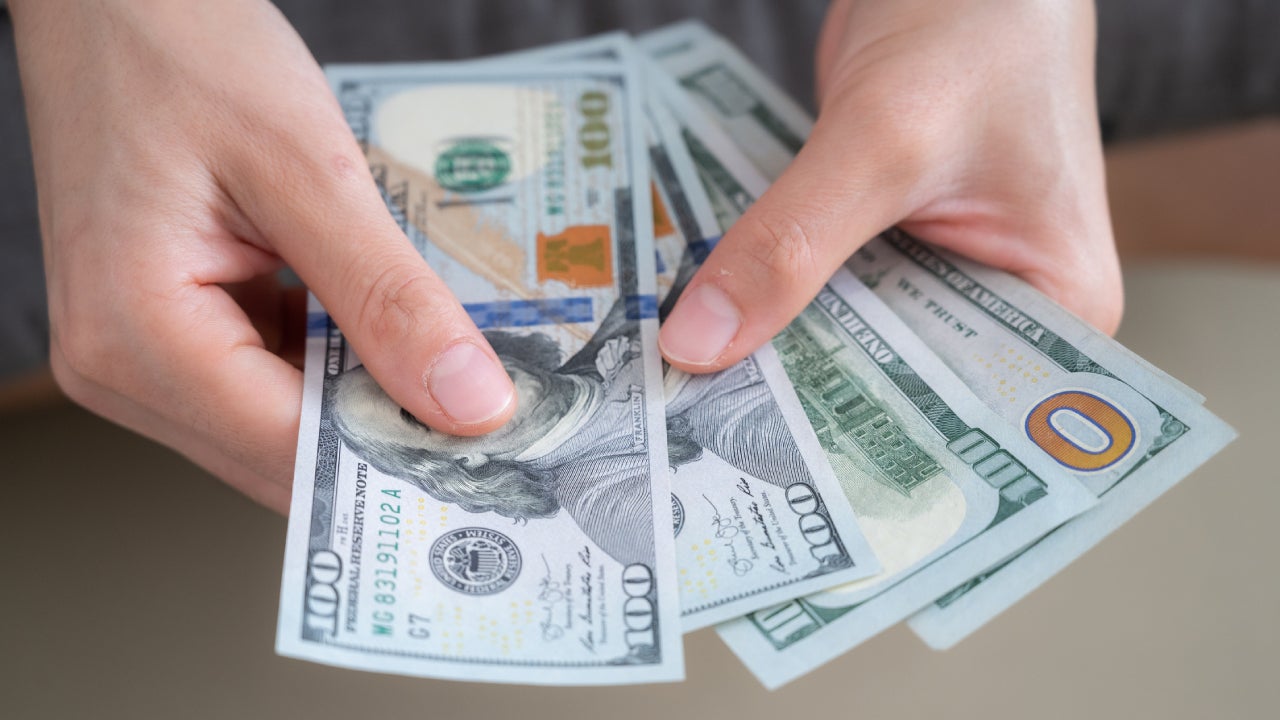
Prediction tickets can be bought for as little as 10,000 rials ($1) with no official upper limit, although large bets are rare. Odds are not given before the race and returns are calculated afterwards.
People can also place bets on horses through the federation’s website, but that misses out on the spectacle.
As the horses pass the finish line, the spectators—including dozens of women—jump up from their seats near the track and rush to the predictions office to see how much they have won and place money on the next race.
The really big bets happen at bigger tracks, particularly at the 10,000-capacity Gonbad-e Kavoos hippodrome in northern Iran. “Last year someone won $75,000 there in a bet,” a race official said, speaking to Reuters on condition of anonymity.
Mahmoudi, the Tehran clergyman, warned of the dangers of gambling. “The bettor makes gains easily, without working and this causes others to lose money with consequent dissatisfaction and grief,” he said, pointing out one reason Islam forbids gambling.
Most of the people buying prediction tickets did not seem concerned, however. “I just lost 30,000 rials ($3), but I had a lot of fun,” said fine arts student Tamanna, 30.
Of the total money coming into the official betting office, some 70 percent is given out as winnings with the remaining 30 percent going to cover the costs of racing.