













Ali Akbar Velayati, a former foreign minister of Iran who is now foreign policy adviser to Supreme Leader Ali Khamenehi, called the assault of the Israeli embassy a turning point in history. He said, “This great incident … indicates the uprisings taking place in Muslim countries are Islamic in nature.”
Iranian officials have been saying that every incident taking place in the Arab world in recent months proves the Arab spring is Islamic. But actually, there have been only minimal references to Islam; most of the protests have focused on corruption and lack of democracy. In the case of the Israeli embassy attack, there was anger over Israel police shooting Egyptian policemen last month and the minimal reaction of the Egyptian government to that incident.
The attack on the Israeli embassy Friday was actually nothing like the 1979 seizure of the American embassy in Tehran. The attackers in Cairo made no effort to seize and hold the embassy or its diplomats. It was a simple embassy attack such as takes place somewhere in the world on an average of about once a year.
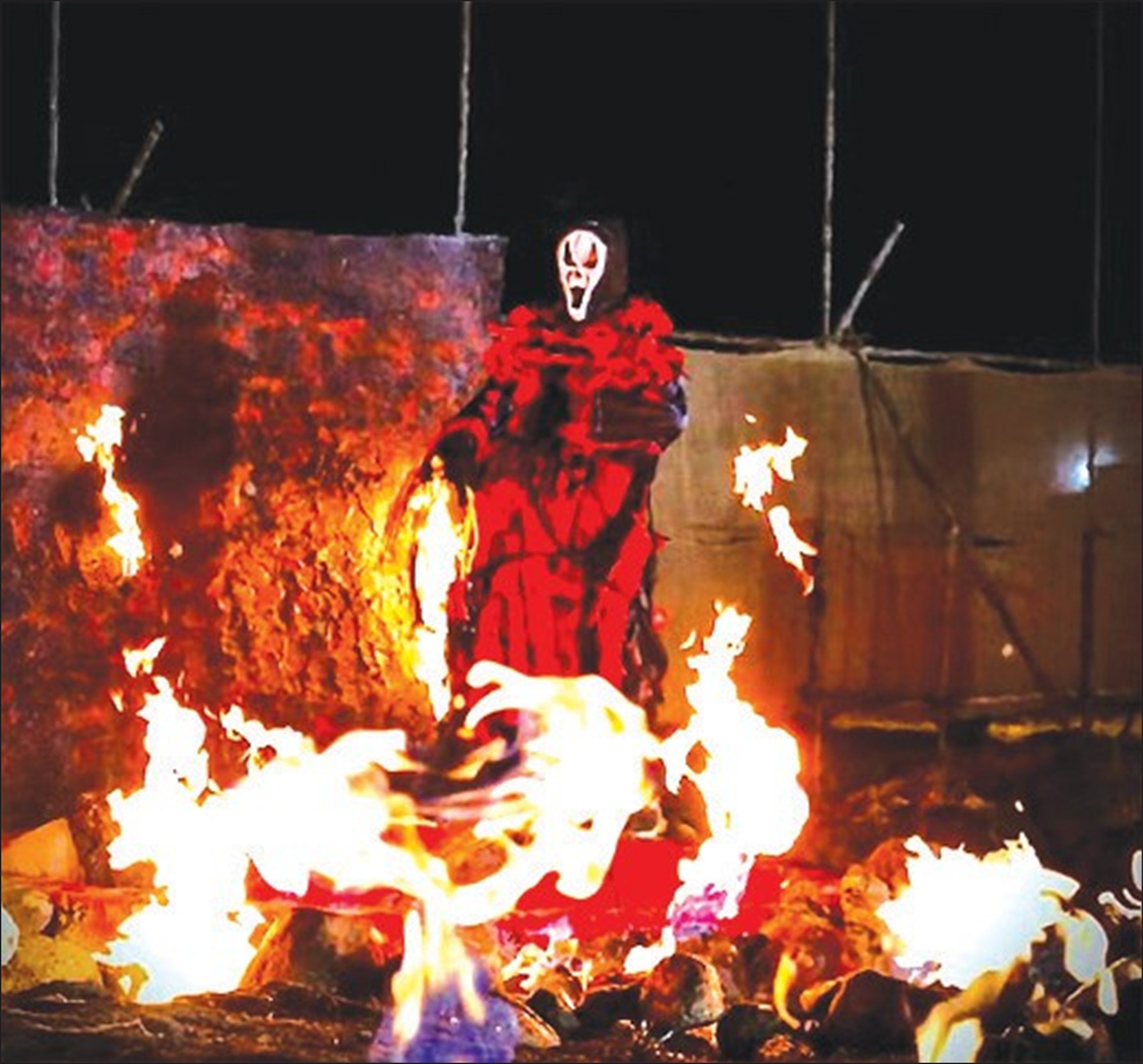
The attackers took out much of their anger on the concrete protective wall that the Egyptian government built around the embassy a few weeks ago. And many of the vehicles that were burned were Egyptian government vehicles, leading to the suspicion that the attackers were chiefly angry at Egypt’s soft policy with Israel.
The Israeli embassy staff was evacuated without injury and was expected to return within days.
There was a lot of vocal opposition in Cairo to the attack. Mohammed Kamhawy, 28, an engineer working two blocks from the embassy told reporters, “I don’t want him [the Israeli ambassador] to come back because Israel doesn’t respect anyone, but, if they are in our country, then we should be able to protect them.” Ahmed Amr, 23, said, “Tearing down the wall was right. They shouldn’t have built it in the first place. But invading the embassy was wrong.”
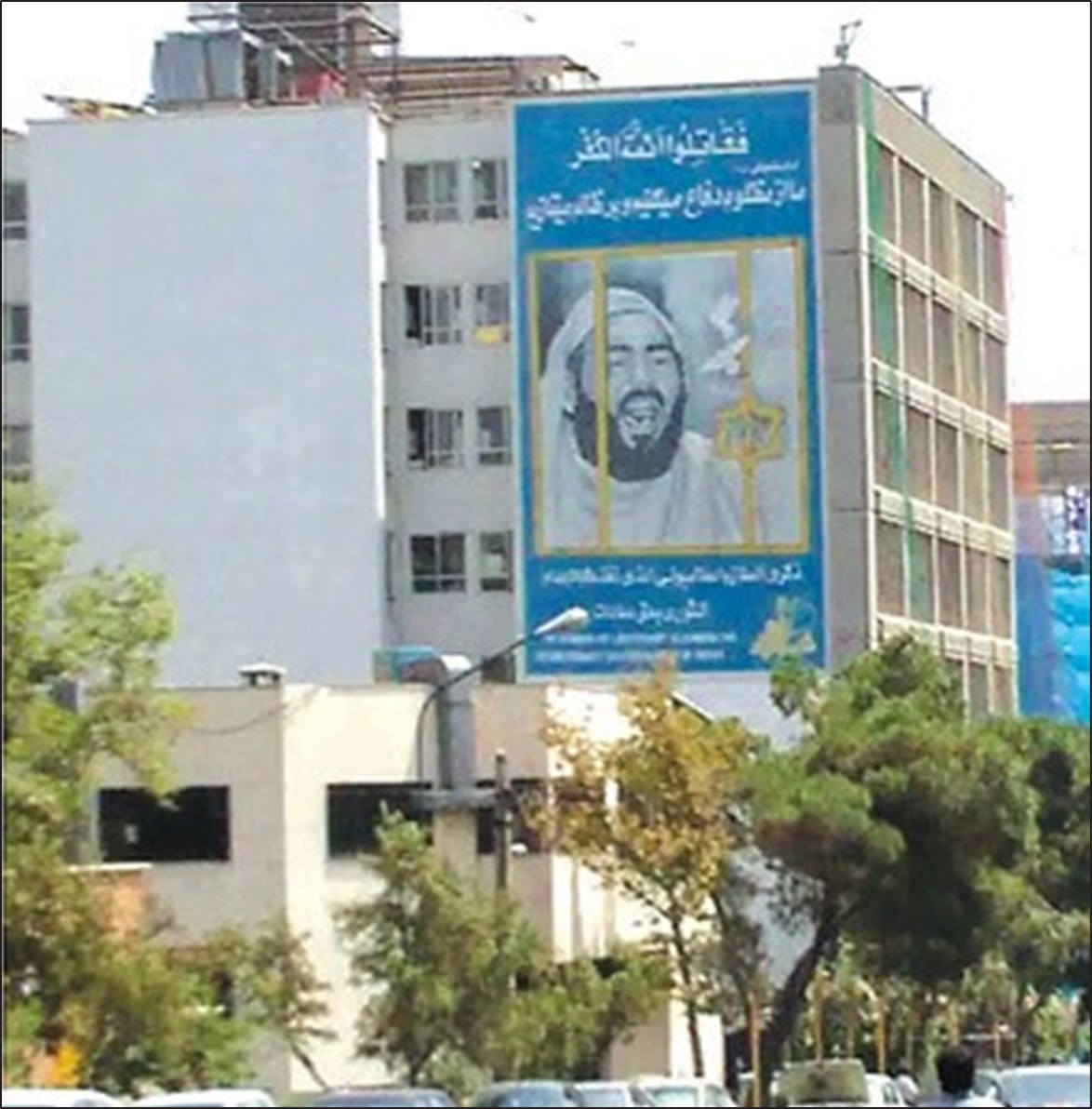
In Tehran, Gen. Moham-mad-Reza Naqdi, commander of the Basij, said the Cairo attack “was inspired by the epic,” a reference to the seizure of the US embassy in Tehran, “and is a reminder of the revolutionary zeal of Islamic Iran’s students who courageously squashed the empty awe of world arrogance.”
Iranian officials appeared exceedingly concerned to have the Iranian public link the happenings in the Arab world with their Islamic philosophy, seemingly fearing that the public will sour on the regime if they see others around the Islamic world taking a different route.
In Israel, Prime Minister Binyamin Netanyahu saw a link with the past, but with 1919, not 1979. In a message to the Israeli people, he said, “The Middle East is now undergoing a political earthquake of historic proportions. Perhaps this can be compared to what happened a century ago at the end of the First World War with the establishment of a new world order.
“In the face of this historic turmoil, we must act coolly and with responsibility. We must understand that these events are occurring as a result of deep and strong political undercurrents. We in Israel have a tendency to think that everything happens because of us or that we are somehow at fault for the turbulence in our area. There are many external and strong forces at work here. More than anything else, we must in these times act to safeguard our security. This is the anchor of our existence.”