


Both Iranians in the Canadian Parliament ran for re-election this year— one easily won re-election, but the other was badly defeated.
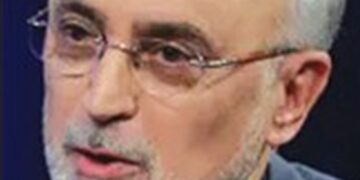
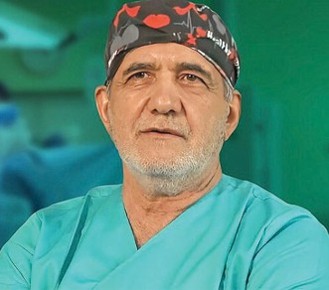
Ali Ehsassi, who was named to Prime Minister Mark Carney’s cabinet earlier this year, was handily re-elected to another term—pulling down 53.4 percent of the vote, the same percentage he got in his first election win 2015. He dropped to 49.0 per cent in 2019 and 51.2 percent in 2021.
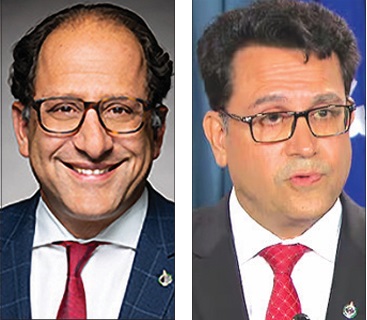
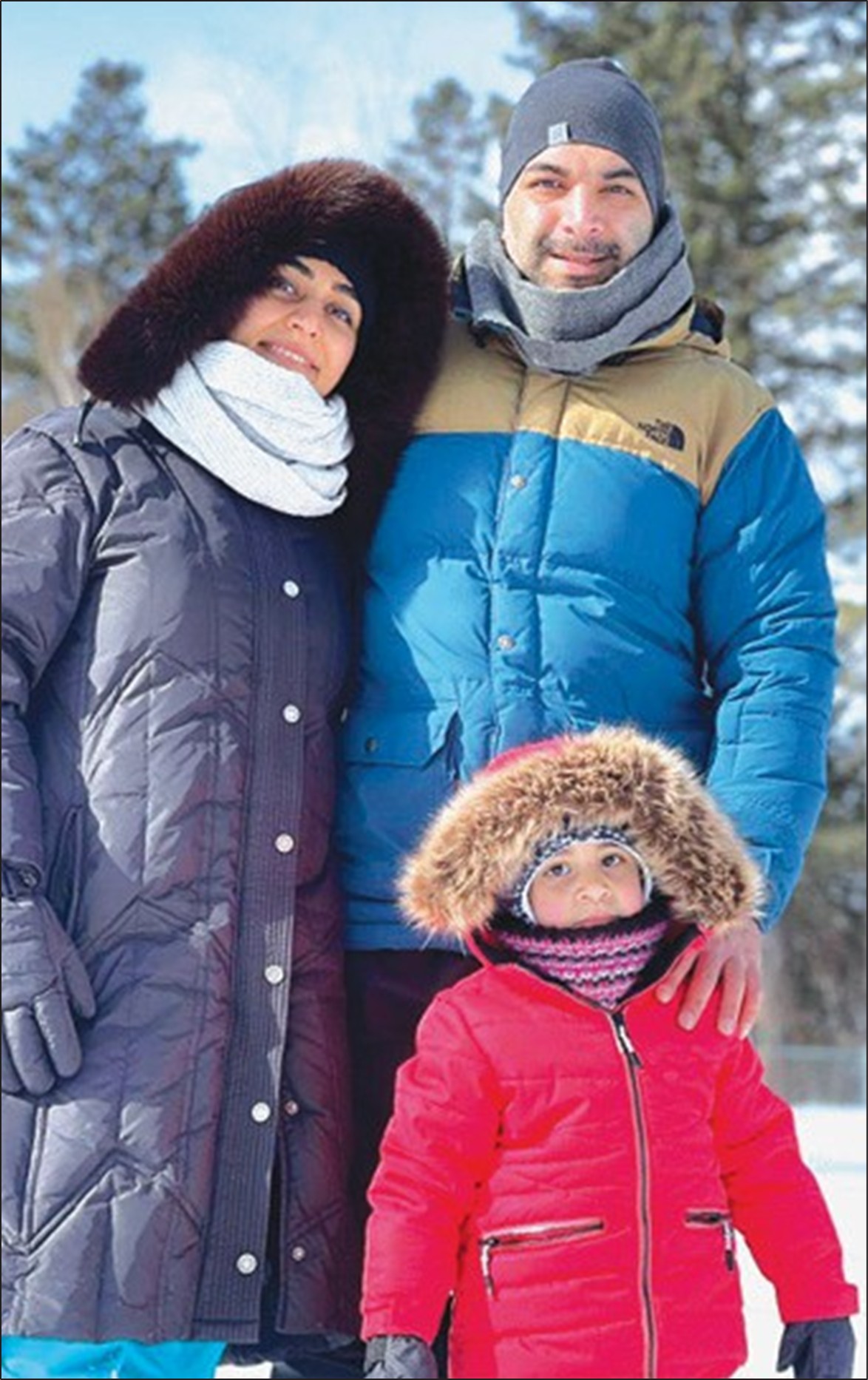
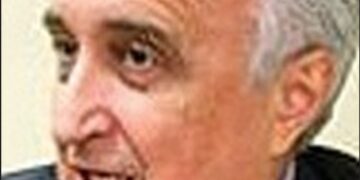
. . . wins seat, but loses . . . loses seat
His riding—the Canadian term for an electoral district—of Willowdale in Ontario has a large Iranian and a large Chinese population. In each of his four races, the Conservative Party has run a Chinese-Canadian against him.
But there was a bad surprise for Ehsassi. When Prime Minister Carney named his new cabinet after the election, Ehsassi was dumped from his post of minister of government transformation, public services and transport, leaving him out of the cabinet. It didn’t appear to be anything personal; Carney dropped 11 of the people he had named when he became PM, many of them holdovers from the previous cabinet. But Ehsassi was one of the new faces Carney brought into the cabinet, so Ehsassi will now go down in history as having one of the shortest runs as a cabinet minister—just 60 days.
Ehsassi, who turned 55 four days before the April 28 election, was born in Geneva, Switzerland, where his father was assigned as an Iranian diplomat. At the age of three, his family relocated to New York City and by age 15 to the Toronto area of Ontario.
Ehsassi is well-known in the Iranian community because his maternal great-grandfather was Abdolhossein Teymourtash, the first minister of court after the founding of the Pahlavi Dynasty, who became famous for his role in modernizing the administration of the Iranian state in the 1920s. But he had a falling-out with Reza Shah, was imprisoned and then killed in 1933.
Ehsassi’s cabinet post basically gave him the same duties his great-grandfather had.
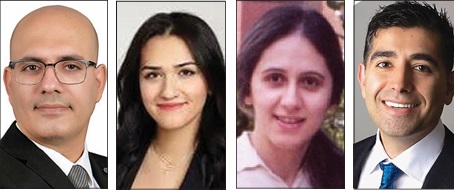
. . . these four were also-rans
In 2015 Ehsassi and Majid Jowhari became the first Iranian Canadians elected to the federal parliament. They were both re-elected in 2019 and 2021. But Jowhari failed at re-election this year.
In his riding of Richmond Hill South, with what’s believed to be the largest concentration of Iranian-Canadians in Canada, he lost this time with just 44.4 percent of the vote. He was defeated by Chinese-Canadian Vincent Ho, who pulled down 52.3 per cent.
Seven candidates sought the seat this year and the third-place finisher was another Iranian, Ebrahim Astaraki of the left-wing New Democratic Party. But he got only 1.8 percent of the vote.
In a campaign debate with all seven candidates attending, Astaraki took after Jowhari, accusing him of being too close to the Islamic Republic, a frequent criticism of Jowhari over the years, primarily because he advocated for the resumption of diplomatic relations with Iran. That was a position advocated by Justin Trudeau when he was first campaigning for prime minister a decade ago, but Trudeau abandoned the position once he became prime minister.
Astaraki charged that Jowhari keeps “closing his eyes and closing his mouth” when it comes to repression by the Islamic Republic. “He takes no stand against them,” Astaraki charged.
Jowhari had no other opportunity to speak at that debate, but afterward told reporters, “I have not had any relationship with the Iranian regime,” adding that he opposes the regime in the “strongest” terms.
The winning candidate, Ho, said Jowhari “sides with foreign regimes,” but put more emphasis on the crime wave he said the Liberal Party had ignored. “We believe in jail, not bail,” Ho said. Jowhari, 64, was born in Tehran.
While the Liberals picked up 17 seats in this election, it surprisingly lost a few seats in the Toronto region, so Jowhari’s defeat was not unique.
Jowhari has generally faced a hard race in his riding and has never won a majority. He took the seat with 46.9 percent in 2015, then was re-elected with 43.5 percent in 2019 and 47.7 percent in 2021 before losing this time with 44.4 percent.
Altogether, six Iranian-Canadians ran for seats in the House of Commons this year. Ehsassi and Jowhari were the only ones running for either of the two major parties, the Liberals and the Conservatives. Four others ran for minor parties, with none of them reaching 3 percent.
Astaraki, as mentioned, ran against Jowhari and got 1.8 per cent of the ballots. He is a member of the New Democratic Party, which was a badly defeated nation ally. In another Ontario riding, Kitchener-Conestoga, Maya Bozorgzad also ran as a New Democrat and came in third with 2.9 percent. Nationally, the New Democrats saw their seat total cut from 24 seats to just seven.
In Quebec province, Taraneh Djavanbakht, a Tehran born chemist, ran for the People’s Party, and came in sixth of nine candidates with 0.63 percent of the vote. Another People’s Party candidate was Peyman Askari in British Columbia’s West Vancouver riding, where he came in fifth of six candidates with 0.5 percent of the vote. The People’s Party has never won a seat in the House of Commons.