










• About Us
  • Subscription
  • Contact Us
Friday, March 13, 2026
  • Login
Iran Times
  • Home
  • What’s the News
    • All
    • baygani
    Army Says It Makes Some Officers UN Peacekeepers

    Army Says It Makes Some Officers UN Peacekeepers

    Iran May Curry Favor With Egypt By Axing Street Name

    Iran May Curry Favor With Egypt By Axing Street Name

    Regime Barks Loudly At Dog Owners

    Regime Barks Loudly At Dog Owners

    Campaign To Rid Iran of Afghans Moves Into Trumpian High Gear

    Campaign To Rid Iran of Afghans Moves Into Trumpian High Gear

    Russia, China Interfere To Stunt Iran Nuclear Plan

    Russia, China Interfere To Stunt Iran Nuclear Plan

    Regime Hangs Convicted Killer of 7 in 2022 Protests

    Regime Hangs Convicted Killer of 7 in 2022 Protests

    Trump Kicks Trio Off Iran Issues For Being Too Pro-Israel

    Trump Kicks Trio Off Iran Issues For Being Too Pro-Israel

    Omid The Siberian Crane May Have Died

    Omid The Siberian Crane May Have Died

    Israel Built Drones In A Factory Set Near Tehran

    Israel Built Drones In A Factory Set Near Tehran

  • Diaspora
  • Economy
    Economist Says Biggest Problem For Iranian Economy is State Controls

    Economist Says Biggest Problem For Iranian Economy is State Controls

    US Stops Turkmen Gas Crossing Iran For Iraq

    US Stops Turkmen Gas Crossing Iran For Iraq

    For Umpteenth Time, Auto Privatization Again Killed

    For Umpteenth Time, Auto Privatization Again Killed

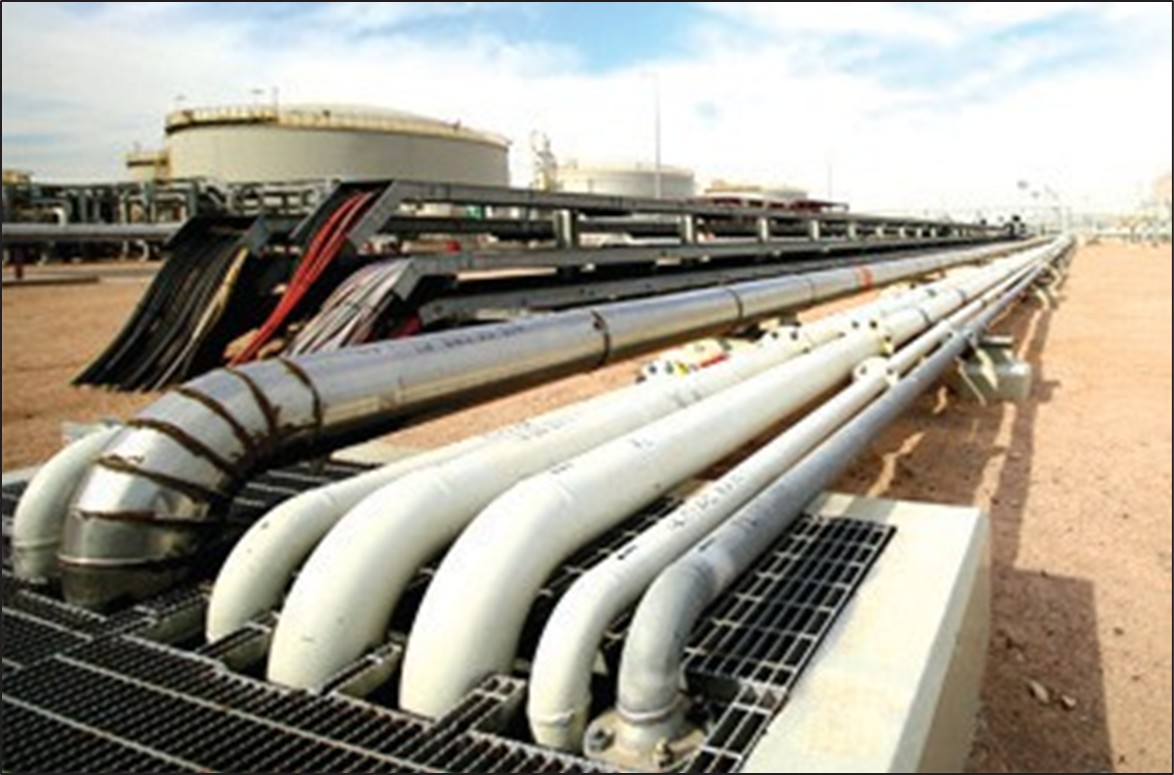
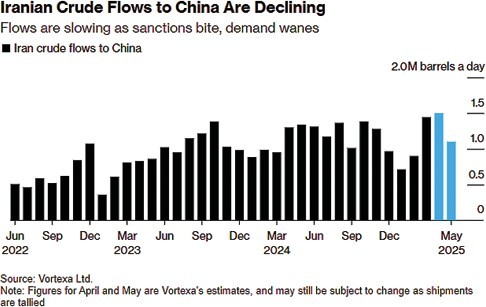
    China Oil Buy Drops, But Remains High

    China Oil Buy Drops, But Remains High

    Gov’t Ends Ban Importing Goods Made In Iran

    Minimum Wage is Boosted 45%

    Banks Must Keep More Money On Hand

    Banks Must Keep More Money On Hand

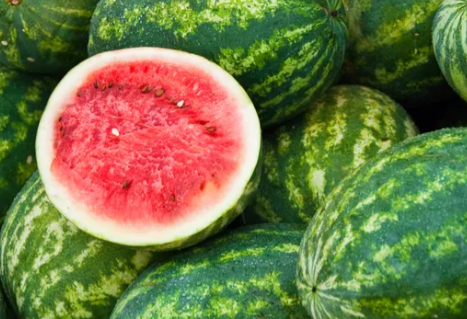
    Russian Says Iran Watermelons Unsafe

    Russian Says Iran Watermelons Unsafe

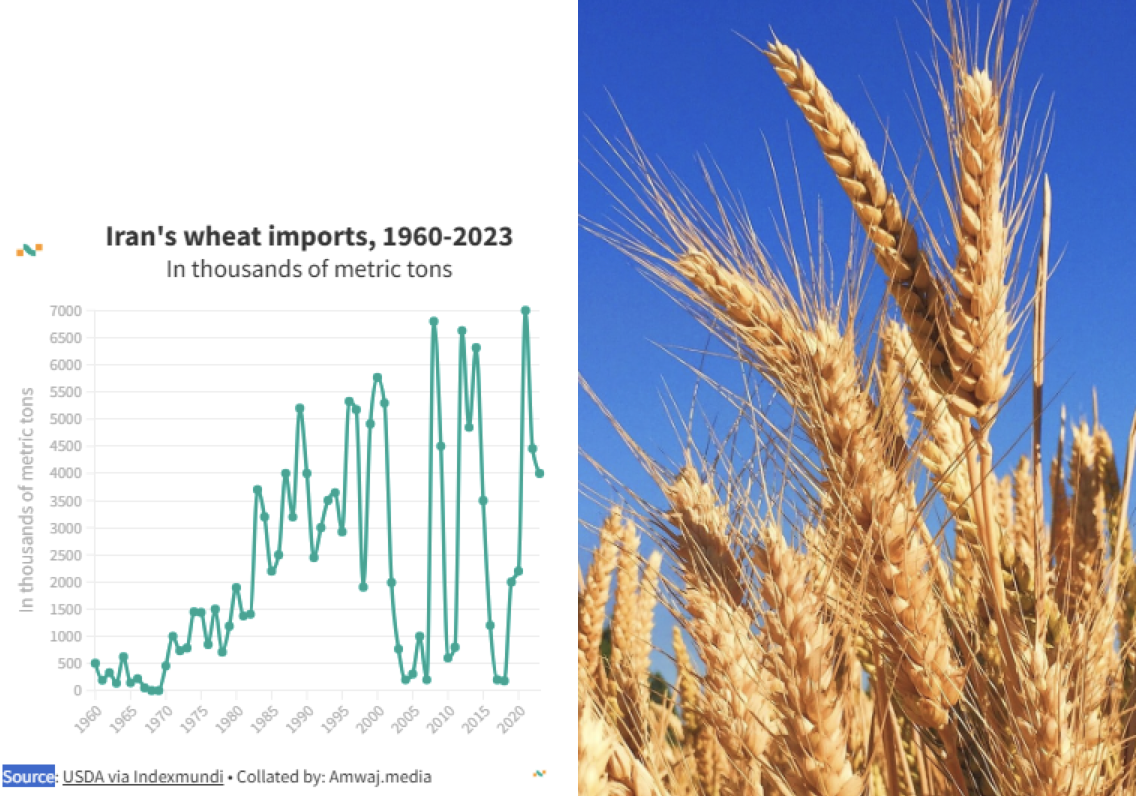
    Iran Not To Be Self-Sufficient In Wheat This Year

    Iran Not To Be Self-Sufficient In Wheat This Year

  • Tidbits and Morsels
  • Latest
    Hell Comes To A Pasdar Base North of Tehran

    Hell Comes To A Pasdar Base North of Tehran

    US Mail To Iran Is Suspended

    President Takes Time Off For Surgery

    President Takes Time Off For Surgery

    After Month Of Talks, Trump Decides He Wants No Enrichment

    The Lights Are Going Out All Over Iran

    Drone Attack That Killed 3 US Troops in Jordan Could Have Been Foiled

    Iranian-Canadians Reportedly Turned Away at US Border

    Iranian-Americans: an Account of Integration and Achievement

    Jamshid Myth

  • About Us
  • Advertising
  • Subscription
No Result
View All Result
  • Home
  • What’s the News
    • All
    • baygani
    Army Says It Makes Some Officers UN Peacekeepers

    Army Says It Makes Some Officers UN Peacekeepers

    Iran May Curry Favor With Egypt By Axing Street Name

    Iran May Curry Favor With Egypt By Axing Street Name

    Regime Barks Loudly At Dog Owners

    Regime Barks Loudly At Dog Owners

    Campaign To Rid Iran of Afghans Moves Into Trumpian High Gear

    Campaign To Rid Iran of Afghans Moves Into Trumpian High Gear

    Russia, China Interfere To Stunt Iran Nuclear Plan

    Russia, China Interfere To Stunt Iran Nuclear Plan

    Regime Hangs Convicted Killer of 7 in 2022 Protests

    Regime Hangs Convicted Killer of 7 in 2022 Protests

    Trump Kicks Trio Off Iran Issues For Being Too Pro-Israel

    Trump Kicks Trio Off Iran Issues For Being Too Pro-Israel

    Omid The Siberian Crane May Have Died

    Omid The Siberian Crane May Have Died

    Israel Built Drones In A Factory Set Near Tehran

    Israel Built Drones In A Factory Set Near Tehran

  • Diaspora
  • Economy
    Economist Says Biggest Problem For Iranian Economy is State Controls

    Economist Says Biggest Problem For Iranian Economy is State Controls

    US Stops Turkmen Gas Crossing Iran For Iraq

    US Stops Turkmen Gas Crossing Iran For Iraq

    For Umpteenth Time, Auto Privatization Again Killed

    For Umpteenth Time, Auto Privatization Again Killed

    China Oil Buy Drops, But Remains High

    China Oil Buy Drops, But Remains High

    Gov’t Ends Ban Importing Goods Made In Iran

    Minimum Wage is Boosted 45%

    Banks Must Keep More Money On Hand

    Banks Must Keep More Money On Hand

    Russian Says Iran Watermelons Unsafe

    Russian Says Iran Watermelons Unsafe

    Iran Not To Be Self-Sufficient In Wheat This Year

    Iran Not To Be Self-Sufficient In Wheat This Year

  • Tidbits and Morsels
  • Latest
    Hell Comes To A Pasdar Base North of Tehran

    Hell Comes To A Pasdar Base North of Tehran

    US Mail To Iran Is Suspended

    President Takes Time Off For Surgery

    President Takes Time Off For Surgery

    After Month Of Talks, Trump Decides He Wants No Enrichment

    The Lights Are Going Out All Over Iran

    Drone Attack That Killed 3 US Troops in Jordan Could Have Been Foiled

    Iranian-Canadians Reportedly Turned Away at US Border

    Iranian-Americans: an Account of Integration and Achievement

    Jamshid Myth

  • About Us
  • Advertising
  • Subscription
No Result
View All Result
Iran Times
No Result
View All Result

Living standards up 60% since revolution

February 28, 2020

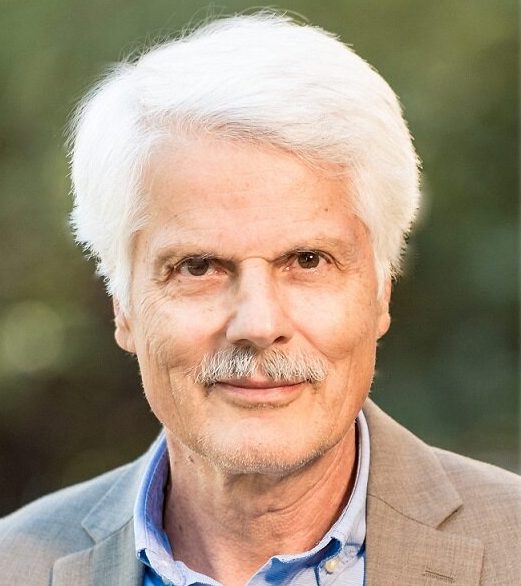
ISFAHANI. . . contradicts others

Living standards in Iran are now about 60 percent higher than in the 1970s before the revolution, concludes an Iranian-American professor of economics at Virginia Tech.  But there has been stagnation in the last decade, which he attributes almost exclusively to sanctions, not corruption and mismanagement.

“As I have shown in my blog and in other writings, if properly measured, living standards in Iran are now about 60 percent higher than in the 1970s,” Djavad Salehi-Isfahani said in an interview with the Tehran Times as Iran marked the 41st anniversary of the Islamic Revolution.

Salehi-Isfahani has every now and then criticized the way Iran’s economic development is underestimated by ordinary people, the media, and even economists.

He says by using the wrong metrics, it has been claimed in a BBC Persian report that living standards are now 30 percent lower than before the revolution.

“There is no place that I know where data is more important for clearing things up than in Iran, where many people make comparisons based on hearsay,” says Salehi-Isfahani, who is also a nonresident senior fellow for the Global Economy and Development at Brookings Institution in Washington, DC.

The professor said, “Before the revolution, public policy was urban biased. Rural areas grew but public investment was mainly diverted toward urban areas. As a result, the main source of poverty and income inequality, which was the rural-urban gap, remained unchanged.”

However, he said, after the revolution “poverty reduction became a focus of state policy” and the ruling system shifted its focus on rural development.

As to whether Iranians are better off today than before the revolution, Salehi-Isfahani said the key is living standards. “We know from survey data that in 1972 only 6 percent of Iranian families owned a car, compared to 48 percent today,” he noted, citing a crude statistic.

“But more systemic comparisons are available.  To do this, we need to add up all the value of all the goods and services that the average Iranian consumes. This is what GDP accounting does. However, this accounting is complicated by the fact that prices and qualities of goods and services change over time. So, it is critical to correct for inflation, which is done routinely, and to adjust for improvement in quality, which is done less often.

“For a country like Iran, it is also important to adjust for differences in the cost of living. Vast subsidies in Iran, especially for energy, after the revolution do not get counted properly in the accounting of GDP. Subsidies cause Iranian prices to be much lower than in other countries. Most services, such as housing and health, also cost less in Iran than in, say the US, because they are not tradable.“

He continued: “For these reasons, the value added generated by sectors whose products are priced lower than in the US underestimate the level of consumption, and therefore the standard of living, in Iran relative to the US. This is why economists do not use the market exchange rate to compare total value added in different countries. Instead, they use exchange rates that equalize the cost of a standard basket of goods. This is called the Purchasing Power Parity [PPP] exchange rate, which several international organizations compute for all countries, including Iran.

“Unfortunately, many researchers who work on living standards and poverty in Iran do not use PPP rates and obtain very negative pictures of economic growth in post-revolutionary Iran.”

He ridiculed many analyses, such as a BBC Persian report that showed how much gold a teacher could buy before and after the revolution to conclude that living standards had fallen because a teacher could not buy as much gold after the revolution on a teacher’s wages.

“They ignore the fact that gold prices have increased globally, and a similar comparison would suggest, incorrectly, that US teachers’ wages are also much lower than they were in the 1970s,” he said.

He said that using the GDP per capita series in PPP “shows Iran’s living standard rising until 2011 and then it is stagnant.”

As to why it has been stagnant since then, Salehi-Isfahani said, “I do not know of a better explanation for the sudden change in performance of Iran’s economy than sanctions. All other issues that people raise – mismanagement, corruption, etc. – existed before and after. I am not denying that these other problems exist, but sanctions are the most obvious explanation” for the stagnation over the last decade.

After the revolution, he said, “Poverty reduction became a focus of state policy. Chief among the policies was the shift in public investment toward rural areas, mainly under the leadership of the Jahad-e Sazandegi (Construction Jihad). Extension of roads and the electricity network, followed by schools and health clinics, narrowed the rural-urban gap in income and reduced poverty and inequality.

“Later on, starting in 2010, the introduction of cash transfers further reduced poverty, but this reduction was pure redistribution and was in contrast to the policy of rural investment, which reduced poverty through economic growth and without much redistribution.

“Later on, after 2013, inflation sharply reduced the real value of cash transfers and poverty climbed back up, from less than 10 percent to about 15 percent today. The new policy of increased cash transfers will for a while reduce poverty, but without economic growth and more employment it is hard to be very optimistic about long term improvement in the welfare of the lower income families,” Salehi-Isfahani said.


Previous Post

Iran passes Qatar in gas extraction from South Pars

Next Post

Israel plans to fight Iran

Related Posts

Economist Says Biggest Problem For Iranian Economy is State Controls
Economy

Economist Says Biggest Problem For Iranian Economy is State Controls

US Stops Turkmen Gas Crossing Iran For Iraq
Economy

US Stops Turkmen Gas Crossing Iran For Iraq

For Umpteenth Time, Auto Privatization Again Killed
Economy

For Umpteenth Time, Auto Privatization Again Killed

Next Post

Israel plans to fight Iran

Tehran teams tie—yet again

Tehran teams tie—yet again

Leave a Reply Cancel reply

Your email address will not be published. Required fields are marked *

  • About Us
  • Contact Us
  • Advertising
  • Subscription
  • Culture
  • Economy
Call us: +1 (202)-659-9868

© 1970-2025 Iran Times - ‬An‭ ‬Independent‭ ‬Newspaper

Welcome Back!

Login to your account below

Forgotten Password?

Retrieve your password

Please enter your username or email address to reset your password.

Log In
No Result
View All Result
  • Home
  • What’s the News
  • Diaspora
  • Economy
  • Tidbits and Morsels
  • Latest
  • About Us
  • Advertising
  • Subscription

© 1970-2025 Iran Times - ‬An‭ ‬Independent‭ ‬Newspaper

Are you sure want to unlock this post?
Unlock left : 0
Are you sure want to cancel subscription?
Go to mobile version