










• About Us
  • Subscription
  • Contact Us
Sunday, March 8, 2026
  • Login
Iran Times
  • Home
  • What’s the News
    • All
    • baygani
    Army Says It Makes Some Officers UN Peacekeepers

    Army Says It Makes Some Officers UN Peacekeepers

    Iran May Curry Favor With Egypt By Axing Street Name

    Iran May Curry Favor With Egypt By Axing Street Name

    Regime Barks Loudly At Dog Owners

    Regime Barks Loudly At Dog Owners

    Campaign To Rid Iran of Afghans Moves Into Trumpian High Gear

    Campaign To Rid Iran of Afghans Moves Into Trumpian High Gear

    Russia, China Interfere To Stunt Iran Nuclear Plan

    Russia, China Interfere To Stunt Iran Nuclear Plan

    Regime Hangs Convicted Killer of 7 in 2022 Protests

    Regime Hangs Convicted Killer of 7 in 2022 Protests

    Trump Kicks Trio Off Iran Issues For Being Too Pro-Israel

    Trump Kicks Trio Off Iran Issues For Being Too Pro-Israel

    Omid The Siberian Crane May Have Died

    Omid The Siberian Crane May Have Died

    Israel Built Drones In A Factory Set Near Tehran

    Israel Built Drones In A Factory Set Near Tehran

  • Diaspora
  • Economy
    Economist Says Biggest Problem For Iranian Economy is State Controls

    Economist Says Biggest Problem For Iranian Economy is State Controls

    US Stops Turkmen Gas Crossing Iran For Iraq

    US Stops Turkmen Gas Crossing Iran For Iraq

    For Umpteenth Time, Auto Privatization Again Killed

    For Umpteenth Time, Auto Privatization Again Killed

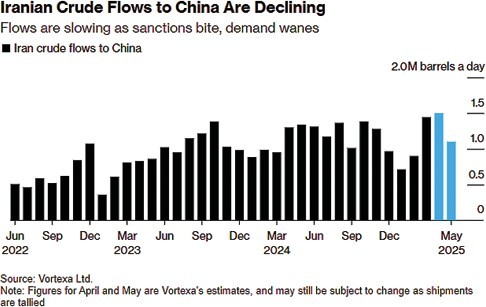
    China Oil Buy Drops, But Remains High

    China Oil Buy Drops, But Remains High

    Gov’t Ends Ban Importing Goods Made In Iran

    Minimum Wage is Boosted 45%

    Banks Must Keep More Money On Hand

    Banks Must Keep More Money On Hand

    Russian Says Iran Watermelons Unsafe

    Russian Says Iran Watermelons Unsafe

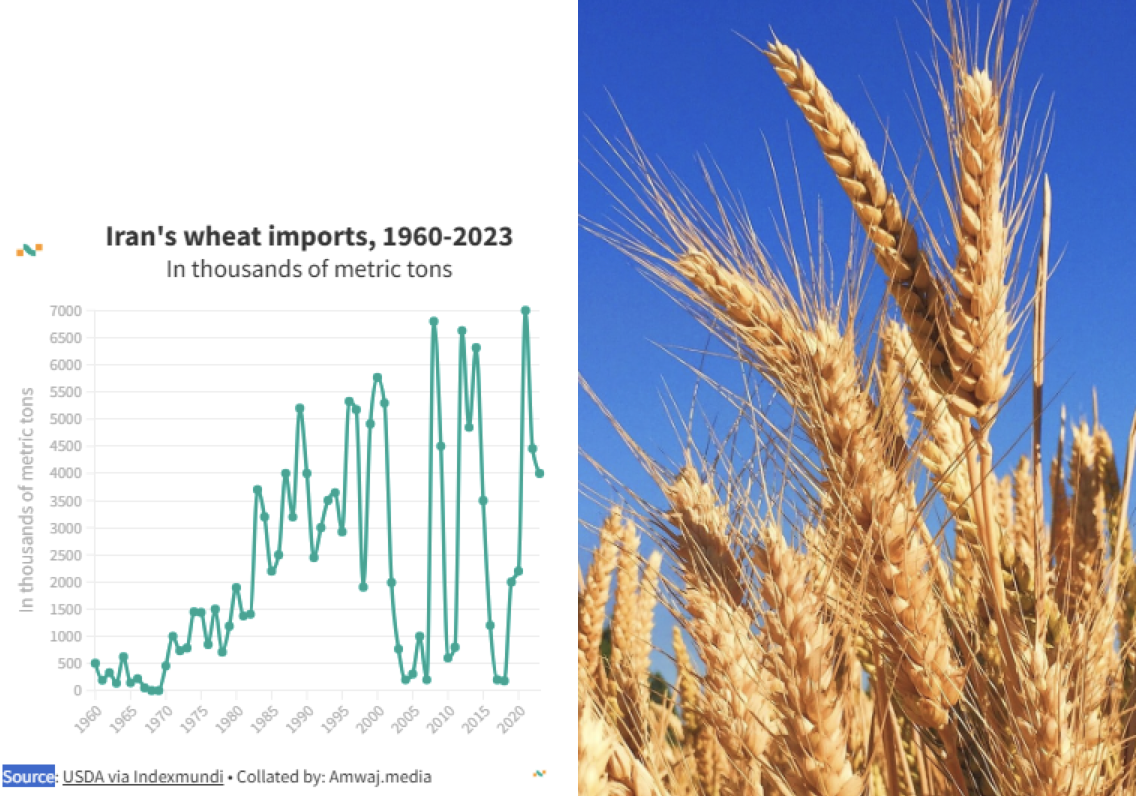
    Iran Not To Be Self-Sufficient In Wheat This Year

    Iran Not To Be Self-Sufficient In Wheat This Year

  • Tidbits and Morsels
  • Latest
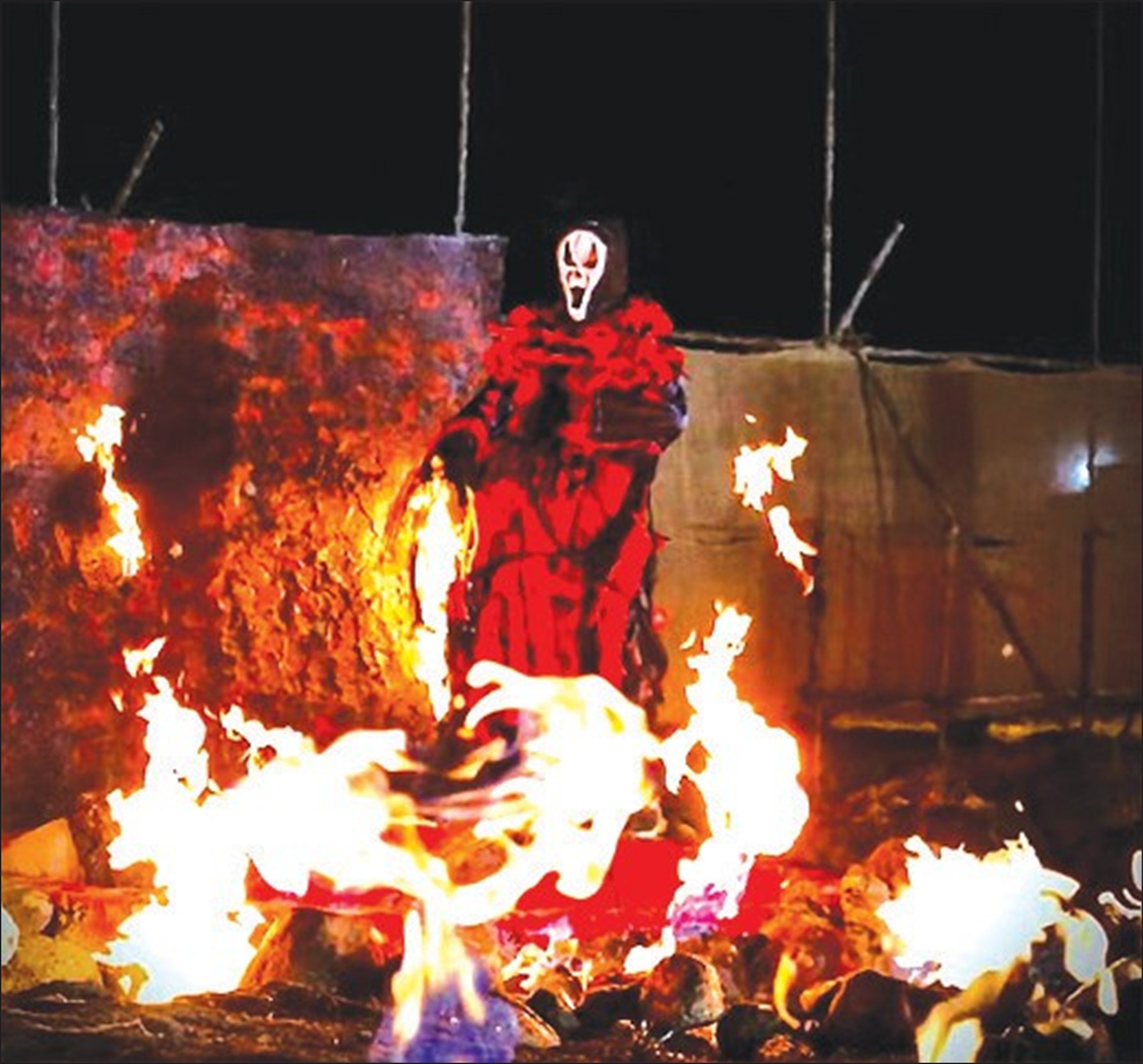
    Hell Comes To A Pasdar Base North of Tehran

    Hell Comes To A Pasdar Base North of Tehran

    US Mail To Iran Is Suspended

    President Takes Time Off For Surgery

    President Takes Time Off For Surgery

    After Month Of Talks, Trump Decides He Wants No Enrichment

    The Lights Are Going Out All Over Iran

    Drone Attack That Killed 3 US Troops in Jordan Could Have Been Foiled

    Iranian-Canadians Reportedly Turned Away at US Border

    Iranian-Americans: an Account of Integration and Achievement

    Jamshid Myth

  • About Us
  • Advertising
  • Subscription
No Result
View All Result
  • Home
  • What’s the News
    • All
    • baygani
    Army Says It Makes Some Officers UN Peacekeepers

    Army Says It Makes Some Officers UN Peacekeepers

    Iran May Curry Favor With Egypt By Axing Street Name

    Iran May Curry Favor With Egypt By Axing Street Name

    Regime Barks Loudly At Dog Owners

    Regime Barks Loudly At Dog Owners

    Campaign To Rid Iran of Afghans Moves Into Trumpian High Gear

    Campaign To Rid Iran of Afghans Moves Into Trumpian High Gear

    Russia, China Interfere To Stunt Iran Nuclear Plan

    Russia, China Interfere To Stunt Iran Nuclear Plan

    Regime Hangs Convicted Killer of 7 in 2022 Protests

    Regime Hangs Convicted Killer of 7 in 2022 Protests

    Trump Kicks Trio Off Iran Issues For Being Too Pro-Israel

    Trump Kicks Trio Off Iran Issues For Being Too Pro-Israel

    Omid The Siberian Crane May Have Died

    Omid The Siberian Crane May Have Died

    Israel Built Drones In A Factory Set Near Tehran

    Israel Built Drones In A Factory Set Near Tehran

  • Diaspora
  • Economy
    Economist Says Biggest Problem For Iranian Economy is State Controls

    Economist Says Biggest Problem For Iranian Economy is State Controls

    US Stops Turkmen Gas Crossing Iran For Iraq

    US Stops Turkmen Gas Crossing Iran For Iraq

    For Umpteenth Time, Auto Privatization Again Killed

    For Umpteenth Time, Auto Privatization Again Killed

    China Oil Buy Drops, But Remains High

    China Oil Buy Drops, But Remains High

    Gov’t Ends Ban Importing Goods Made In Iran

    Minimum Wage is Boosted 45%

    Banks Must Keep More Money On Hand

    Banks Must Keep More Money On Hand

    Russian Says Iran Watermelons Unsafe

    Russian Says Iran Watermelons Unsafe

    Iran Not To Be Self-Sufficient In Wheat This Year

    Iran Not To Be Self-Sufficient In Wheat This Year

  • Tidbits and Morsels
  • Latest
    Hell Comes To A Pasdar Base North of Tehran

    Hell Comes To A Pasdar Base North of Tehran

    US Mail To Iran Is Suspended

    President Takes Time Off For Surgery

    President Takes Time Off For Surgery

    After Month Of Talks, Trump Decides He Wants No Enrichment

    The Lights Are Going Out All Over Iran

    Drone Attack That Killed 3 US Troops in Jordan Could Have Been Foiled

    Iranian-Canadians Reportedly Turned Away at US Border

    Iranian-Americans: an Account of Integration and Achievement

    Jamshid Myth

  • About Us
  • Advertising
  • Subscription
No Result
View All Result
Iran Times
No Result
View All Result

A nuclear deal with Iran will require the West to reevaluate its presumptions

December 12, 2014

By Eric Edelman, Dennis Ross and Ray Takeyh
After a decade of patient negotiations with Iran over its contested nuclear program, the prospects of the United States and other world powers securing a final deal are not good. The wheels of diplomacy will grind on and an extension of the talks should be granted. But it is time to acknowledge that the policy of engagement has been predicated on a series of assumptions that, although logical, have proven largely incorrect. As Washington assesses its next moves, it would be wise to reconsider the judgments that have underwritten its approach to one of its most elusive adversaries.
Two administrations — those of George W. Bush and Barack Obama — have relied on financial stress to temper Iran’s nuclear ambitions. At its core, this policy has argued that steady economic pressure would change the calculus of the Islamic Republic, eventually leading it to concede the most disturbing aspects of its nuclear program. This was American pragmatism at its most obvious, as economics is thought to transcend ideology and history in conditioning national priorities. To be sure, the policy has not been without its successes, as it solidified a sanctions regime that compelled Iran to change its negotiating style. Still, what was missed was that the Islamic Republic is a revolutionary state that rarely makes judicious economic decisions. In fact, the notion of integration into the global economy is frightening to Iran’s highly ideological rulers, who require an external nemesis to justify their absolutist rule.
Washington’s diplomatic strategies seemed to be equally uninformed by the changing dynamics of Iranian politics. The fraudulent 2009 presidential election was a watershed event in Iran’s history, as it transformed the Islamic Republic from a government of factions into just another Middle Eastern dictatorship. The forces of reform were purged from the body politic, leaving behind only like-minded mullahs. While many in the West still view Iran as a country of quarrelling factions and competing personalities, the Iranians themselves talk of nezam — the system. This is not to suggest that there are no disagreements among key actors, but the system has forged a consensus on core issues such as repressing dissent and preserving the essential trajectory of the nuclear program.
The U.S. misdiagnosis of Iran was at its most glaring when Hassan Rouhani, a clerical apparatchik, assumed the presidency in 2013. Rouhani’s election was considered a rebuke to Supreme Leader Ayatollah Ali Khamenei and his ideological presumptions, and many in Washington convinced themselves that by investing in Rouhani they could usher in an age of moderation in Iran. Suddenly, an empowered Rouhani would make important nuclear concessions and even collaborate with the United States to steady an unhinged region. Missing in all this was how the nezam had come together in 2009, consolidated its power and destroyed the democratic left. The Obama administration sought to manipulate Iran’s factions at the precise moment when factionalism was no longer the defining aspect of Iranian politics.
Iran will not easily alter its approach. If there is any hope of changing the Iranian calculus, its leaders must see that the price — as they measure it — is high. Any coercive strategy still has to be predicated on further segregating Iran from global markets and financial institutions; at a time of falling oil prices, Iran’s economy should prove particularly vulnerable to such stress.
But this cannot be the end of it. Iran must face pressure across many fronts, and the Obama administration should focus on mending fences at home while rehabilitating our battered alliances in the Middle East. It is important for Tehran to see that there are no divisions for it to exploit between the White House and Congress. The president would be wise to consult with Congress on the parameters of an acceptable deal and to secure a resolution authorizing him to use force in the event that Iran violates its obligations or seeks a breakout capacity.
A new strategy of pressure should also focus on isolating Iran in its neighborhood and undermining its clients. This will necessitate U.S. involvement in the region’s many crises. For both humanitarian and strategic reasons, the United States must be invested in the outcome of the Syrian civil war. A no-fly zone, at least in the north, could make a humanitarian, political and military difference in Syria — and would signal to Iran that the cost of backing dictator Bashar al-Assad will go up. Similarly, the Iraqi government must be pressured into limiting Iran’s influence. It is unlikely that Baghdad will move in that direction as long as our campaign against the Islamic State remains hesitant and we hint at possible collaboration with Iran there. The core of the U.S. alliance system in the Middle East remains our close partnership with Israel. The value of U.S. deterrence is not enhanced by perceptions of discord in that essential relationship.
The purpose of this new, robust and coercive strategy is to signal our readiness to compete, to show that we don’t need a deal more than Iran does and to raise the price to Tehran of its objectionable policies. It is time to press the Iranians to make the tough choices that they have been unwilling to make.

Eric Edelman is a distinguished fellow at the Center for Strategic and Budgetary Assessments and served as undersecretary of defense during the George W. Bush administration. Dennis Ross is a counselor at the Washington Institute for Near East Policy and served as a special assistant to President Obama from 2009 to 2011. Ray Takeyh is a senior fellow at the Council on Foreign Relations.

Previous Post

Time for EU to hand Iran dossier to Mogherini

Next Post

Hezbollah: The party of Iran, not Lebanon

Related Posts

Can Israel Destroy Iran’s Nuclear Program?
Commentary

Can Israel Destroy Iran’s Nuclear Program?

The Right Path to Regime Change In Iran
Commentary

The Right Path to Regime Change In Iran

Commentary

Trump has Achance to Strike a Deal with Iran

Next Post

Hezbollah: The party of Iran, not Lebanon

Is Iran’s rial in free fall?

Leave a Reply Cancel reply

Your email address will not be published. Required fields are marked *

  • About Us
  • Contact Us
  • Advertising
  • Subscription
  • Culture
  • Economy
Call us: +1 (202)-659-9868

© 1970-2025 Iran Times - ‬An‭ ‬Independent‭ ‬Newspaper

Welcome Back!

Login to your account below

Forgotten Password?

Retrieve your password

Please enter your username or email address to reset your password.

Log In
No Result
View All Result
  • Home
  • What’s the News
  • Diaspora
  • Economy
  • Tidbits and Morsels
  • Latest
  • About Us
  • Advertising
  • Subscription

© 1970-2025 Iran Times - ‬An‭ ‬Independent‭ ‬Newspaper

Are you sure want to unlock this post?
Unlock left : 0
Are you sure want to cancel subscription?
Go to mobile version