








• About Us
  • Subscription
  • Contact Us
Monday, March 9, 2026
  • Login
Iran Times
  • Home
  • What’s the News
    • All
    • baygani
    Army Says It Makes Some Officers UN Peacekeepers

    Army Says It Makes Some Officers UN Peacekeepers

    Iran May Curry Favor With Egypt By Axing Street Name

    Iran May Curry Favor With Egypt By Axing Street Name

    Regime Barks Loudly At Dog Owners

    Regime Barks Loudly At Dog Owners

    Campaign To Rid Iran of Afghans Moves Into Trumpian High Gear

    Campaign To Rid Iran of Afghans Moves Into Trumpian High Gear

    Russia, China Interfere To Stunt Iran Nuclear Plan

    Russia, China Interfere To Stunt Iran Nuclear Plan

    Regime Hangs Convicted Killer of 7 in 2022 Protests

    Regime Hangs Convicted Killer of 7 in 2022 Protests

    Trump Kicks Trio Off Iran Issues For Being Too Pro-Israel

    Trump Kicks Trio Off Iran Issues For Being Too Pro-Israel

    Omid The Siberian Crane May Have Died

    Omid The Siberian Crane May Have Died

    Israel Built Drones In A Factory Set Near Tehran

    Israel Built Drones In A Factory Set Near Tehran

  • Diaspora
  • Economy
    Economist Says Biggest Problem For Iranian Economy is State Controls

    Economist Says Biggest Problem For Iranian Economy is State Controls

    US Stops Turkmen Gas Crossing Iran For Iraq

    US Stops Turkmen Gas Crossing Iran For Iraq

    For Umpteenth Time, Auto Privatization Again Killed

    For Umpteenth Time, Auto Privatization Again Killed

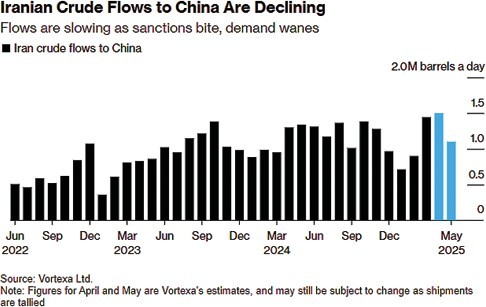
    China Oil Buy Drops, But Remains High

    China Oil Buy Drops, But Remains High

    Gov’t Ends Ban Importing Goods Made In Iran

    Minimum Wage is Boosted 45%

    Banks Must Keep More Money On Hand

    Banks Must Keep More Money On Hand

    Russian Says Iran Watermelons Unsafe

    Russian Says Iran Watermelons Unsafe

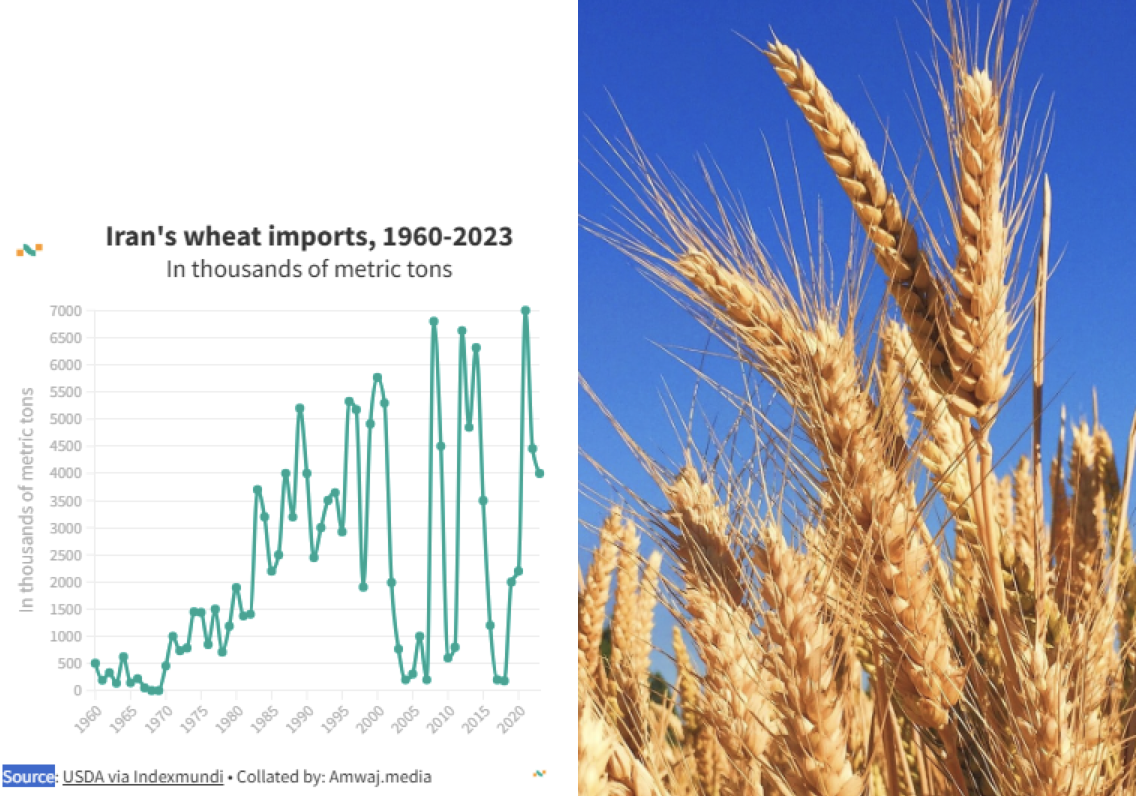
    Iran Not To Be Self-Sufficient In Wheat This Year

    Iran Not To Be Self-Sufficient In Wheat This Year

  • Tidbits and Morsels
  • Latest
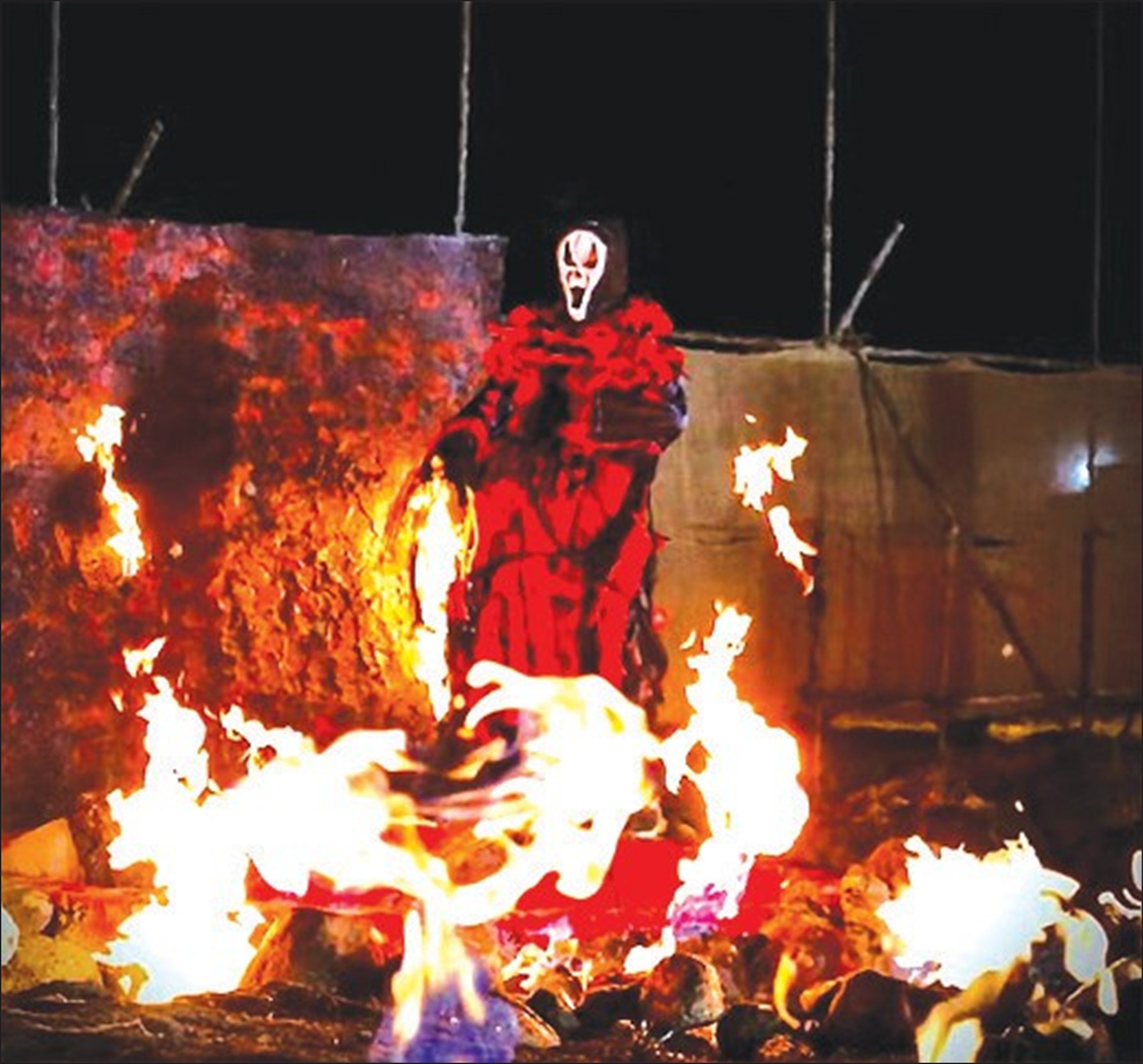
    Hell Comes To A Pasdar Base North of Tehran

    Hell Comes To A Pasdar Base North of Tehran

    US Mail To Iran Is Suspended

    President Takes Time Off For Surgery

    President Takes Time Off For Surgery

    After Month Of Talks, Trump Decides He Wants No Enrichment

    The Lights Are Going Out All Over Iran

    Drone Attack That Killed 3 US Troops in Jordan Could Have Been Foiled

    Iranian-Canadians Reportedly Turned Away at US Border

    Iranian-Americans: an Account of Integration and Achievement

    Jamshid Myth

  • About Us
  • Advertising
  • Subscription
No Result
View All Result
  • Home
  • What’s the News
    • All
    • baygani
    Army Says It Makes Some Officers UN Peacekeepers

    Army Says It Makes Some Officers UN Peacekeepers

    Iran May Curry Favor With Egypt By Axing Street Name

    Iran May Curry Favor With Egypt By Axing Street Name

    Regime Barks Loudly At Dog Owners

    Regime Barks Loudly At Dog Owners

    Campaign To Rid Iran of Afghans Moves Into Trumpian High Gear

    Campaign To Rid Iran of Afghans Moves Into Trumpian High Gear

    Russia, China Interfere To Stunt Iran Nuclear Plan

    Russia, China Interfere To Stunt Iran Nuclear Plan

    Regime Hangs Convicted Killer of 7 in 2022 Protests

    Regime Hangs Convicted Killer of 7 in 2022 Protests

    Trump Kicks Trio Off Iran Issues For Being Too Pro-Israel

    Trump Kicks Trio Off Iran Issues For Being Too Pro-Israel

    Omid The Siberian Crane May Have Died

    Omid The Siberian Crane May Have Died

    Israel Built Drones In A Factory Set Near Tehran

    Israel Built Drones In A Factory Set Near Tehran

  • Diaspora
  • Economy
    Economist Says Biggest Problem For Iranian Economy is State Controls

    Economist Says Biggest Problem For Iranian Economy is State Controls

    US Stops Turkmen Gas Crossing Iran For Iraq

    US Stops Turkmen Gas Crossing Iran For Iraq

    For Umpteenth Time, Auto Privatization Again Killed

    For Umpteenth Time, Auto Privatization Again Killed

    China Oil Buy Drops, But Remains High

    China Oil Buy Drops, But Remains High

    Gov’t Ends Ban Importing Goods Made In Iran

    Minimum Wage is Boosted 45%

    Banks Must Keep More Money On Hand

    Banks Must Keep More Money On Hand

    Russian Says Iran Watermelons Unsafe

    Russian Says Iran Watermelons Unsafe

    Iran Not To Be Self-Sufficient In Wheat This Year

    Iran Not To Be Self-Sufficient In Wheat This Year

  • Tidbits and Morsels
  • Latest
    Hell Comes To A Pasdar Base North of Tehran

    Hell Comes To A Pasdar Base North of Tehran

    US Mail To Iran Is Suspended

    President Takes Time Off For Surgery

    President Takes Time Off For Surgery

    After Month Of Talks, Trump Decides He Wants No Enrichment

    The Lights Are Going Out All Over Iran

    Drone Attack That Killed 3 US Troops in Jordan Could Have Been Foiled

    Iranian-Canadians Reportedly Turned Away at US Border

    Iranian-Americans: an Account of Integration and Achievement

    Jamshid Myth

  • About Us
  • Advertising
  • Subscription
No Result
View All Result
Iran Times
No Result
View All Result

The U.S. needs a deal with Iran, not detente

January 24-2014

By Ray Takeyh

An unusual fear is gripping the Arab world, namely that nuclear diplomacy may yet bring Iran and the United States into a close regional embrace. This may seem comical given the legacy of mistrust separating the two nations. Yet this concern among Arab rulers, fueled by progress toward a final agreement on Tehran’s nuclear program, may have some justification in history. The United States has never been able to pursue arms control without delusion and has always insisted on sanctifying its negotiating partners, conjuring up moderates and searching for common ground. The challenge for Washington today is to defy its history and reach a nuclear agreement with Iran while negating the Islamic Republic’s regional ambitions.

During the heydays of detente in the 1970s, nuclear accords between the United States and Soviet Union were inevitably followed by commerce and diplomatic recognition. Successive U.S. administrations were seduced by the notion that a nuclear agreement could pave the way for grander geopolitical convergence. If the thorny nuclear issues could be resolved through cool-headed dialogue, the thinking went, then why not other areas of superpower contention? This proved a fools’ errand, as the Kremlin saw no contradiction between negotiating a treaty on arms limitation and invading Afghanistan.

U.S. adversaries have always been more practical about arms control and have seldom forfeited their ideological claims for the sake of trade and reconciliation.

On the surface, the chimera of bringing Iran in from the cold could prove equally alluring. After all, the resurgence of al-Qaeda, a radical Sunni movement, argues for cooperation with an alarmed Shiite state. The United States is seeking to leave its war-torn charge in Afghanistan and may yet need Tehran’s assistance for such a withdrawal. Perhaps once the two sides have agreed on the nuclear file, they could move toward a larger canvass of cooperation. These sober strategic arguments are seemingly buttressed by the rise of pragmatists led by President Hassan Rouhani. As such, a concerted U.S. effort at engagement might foster Iranian moderation in its foreign policy as well as strengthen the forces of progressive change domestically.

Like their Soviet predecessors, the guardians of Iranian theocracy are far less sentimental than Americans about their diplomacy.

Whatever confidence-building measures Iranian diplomats may be negotiating in Geneva, supreme leader Ali Khamenei insisted as recently as late November that Iran is “challenging the influence of America in the region and is extending its own influence.” In Khamenei’s telling, the United States is a crestfallen imperial power unable to impose discipline on a recalcitrant Middle East.

It is not his burden to salvage the wreckage of the United States but merely to fill the vacuums left by its abdication.

The key actors defining Iran’s regional policy are not its urbane diplomats mingling with their Western counterparts in Geneva but the Revolutionary Guard Corps, particularly the famed Quds Force. For the force’s commander, Qassem Suleimani, the struggle to evict the United States from the Middle East began in Iraq, as Suleimani proclaimed in September. The struggle has moved on to Syria. The survival and success of the Assad dynasty is now a central element of Iran’s foreign policy.

The U.S. task remains imposing stringent limits on Iran’s nuclear program through negotiations while restraining Tehran’s regional ambitions through pressure.

This latter goal will require mending the United States’ battered alliances in the Middle East. Strategic dialogues and arms sales can go only so far. The United States cannot reclaim its allies’ confidence without being an active player in the Syria saga. To be sure, Syria’s opposition is fragmented and the rise of Islamist radicals is a troubling sign, but many are still committed to displacing Assad and taming Islamist militancy — and they are worthy of Western embrace and support. As long as the United States exempts itself from this conflict, its other pledges ring hollow to a skeptical Arab audience.

Too often tensions between the United States and Iran have been attributed to technical disagreements over the scope of Tehran’s nuclear program.

For decades, diplomats have struggled to define just the right balance between centrifuges and sanctions relief. Those negotiations have taken place while Iran’s presidency has changed hands from reformers to hard-liners and now, finally, to pragmatists.

At the core this conflict is ideological: Iran does not want us to succeed, and we should not want Tehran to prevail. Iran’s assault on the Arab order will define the parameters of Middle East politics for some time to come.

The first step toward a sensible Iran policy is to dispense with the illusion of detente that too often accompanies arms control diplomacy.


Ray Takeyh is a senior fellow at the Council on Foreign Relations.

Previous Post

Australia puts refugees on small boat

Next Post

Obama’s losing bet on Iran

Related Posts

Can Israel Destroy Iran’s Nuclear Program?
Commentary

Can Israel Destroy Iran’s Nuclear Program?

The Right Path to Regime Change In Iran
Commentary

The Right Path to Regime Change In Iran

Commentary

Trump has Achance to Strike a Deal with Iran

Next Post
SNOWBIRDS

SNOWBIRDS

Executions surge

Leave a Reply Cancel reply

Your email address will not be published. Required fields are marked *

  • About Us
  • Contact Us
  • Advertising
  • Subscription
  • Culture
  • Economy
Call us: +1 (202)-659-9868

© 1970-2025 Iran Times - ‬An‭ ‬Independent‭ ‬Newspaper

Welcome Back!

Login to your account below

Forgotten Password?

Retrieve your password

Please enter your username or email address to reset your password.

Log In
No Result
View All Result
  • Home
  • What’s the News
  • Diaspora
  • Economy
  • Tidbits and Morsels
  • Latest
  • About Us
  • Advertising
  • Subscription

© 1970-2025 Iran Times - ‬An‭ ‬Independent‭ ‬Newspaper

Are you sure want to unlock this post?
Unlock left : 0
Are you sure want to cancel subscription?
Go to mobile version